
Published: 16 April 2026
Reading Time: 10 minutes
Reviewer: Reviewed by Electronics Manufacturing Specialist
Mastering the SMT Reflow Oven: Step-by-Step Tutorial for Beginners
Ever tried to solder tiny electronic components and ended up frustrated when they didn’t stick? If you’re new to electronics manufacturing, one of your biggest challenges is learning how SMT reflow ovens work.
These machines are the backbone of modern electronics assembly, helping businesses precisely attach components to printed circuit boards (PCBs). But using a reflow oven the right way (without overheating or under-soldering components) takes some practice.
Jace Liu is an experienced electronics manufacturing consultant with over a decade of expertise in SMT equipment and process optimization. He specializes in helping EMS and OEM businesses streamline production lines and adopt cutting-edge technologies for efficient and scalable operations.
Understanding How a Reflow Oven Works
Let’s break it down. A reflow oven is a machine used in SMT assembly. It heats solder paste to securely attach electronic components to printed circuit boards (PCBs). Here’s the cool part—these ovens use multiple temperature zones to get the job done right.
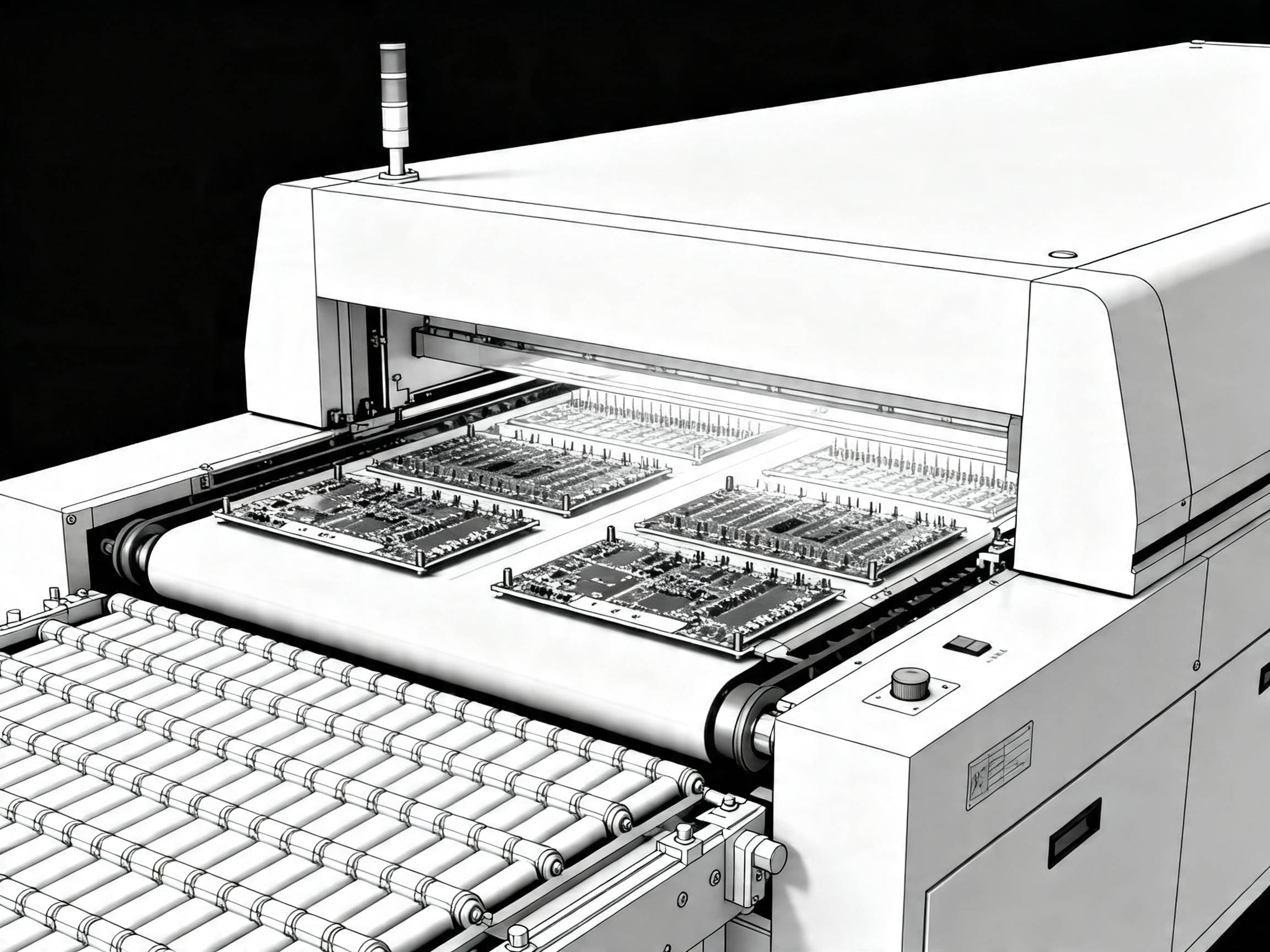
Temperature Zones Explained
Each reflow oven has four main zones:
- Preheat Zone: This gently warms the board to prevent thermal shock.
- Soak Zone: The temperature stabilizes here for even solder paste activation.
- Reflow Zone: This is where the magic happens—the solder paste melts, connecting the components to the PCB.
- Cooling Zone: Finally, the solder hardens as the oven cools.
These zones work together to make sure the soldering process is precise and doesn’t damage components. Plus, advanced ovens like those from Sun and Mountain SMT include features for managing heat distribution (important for consistent solder quality).
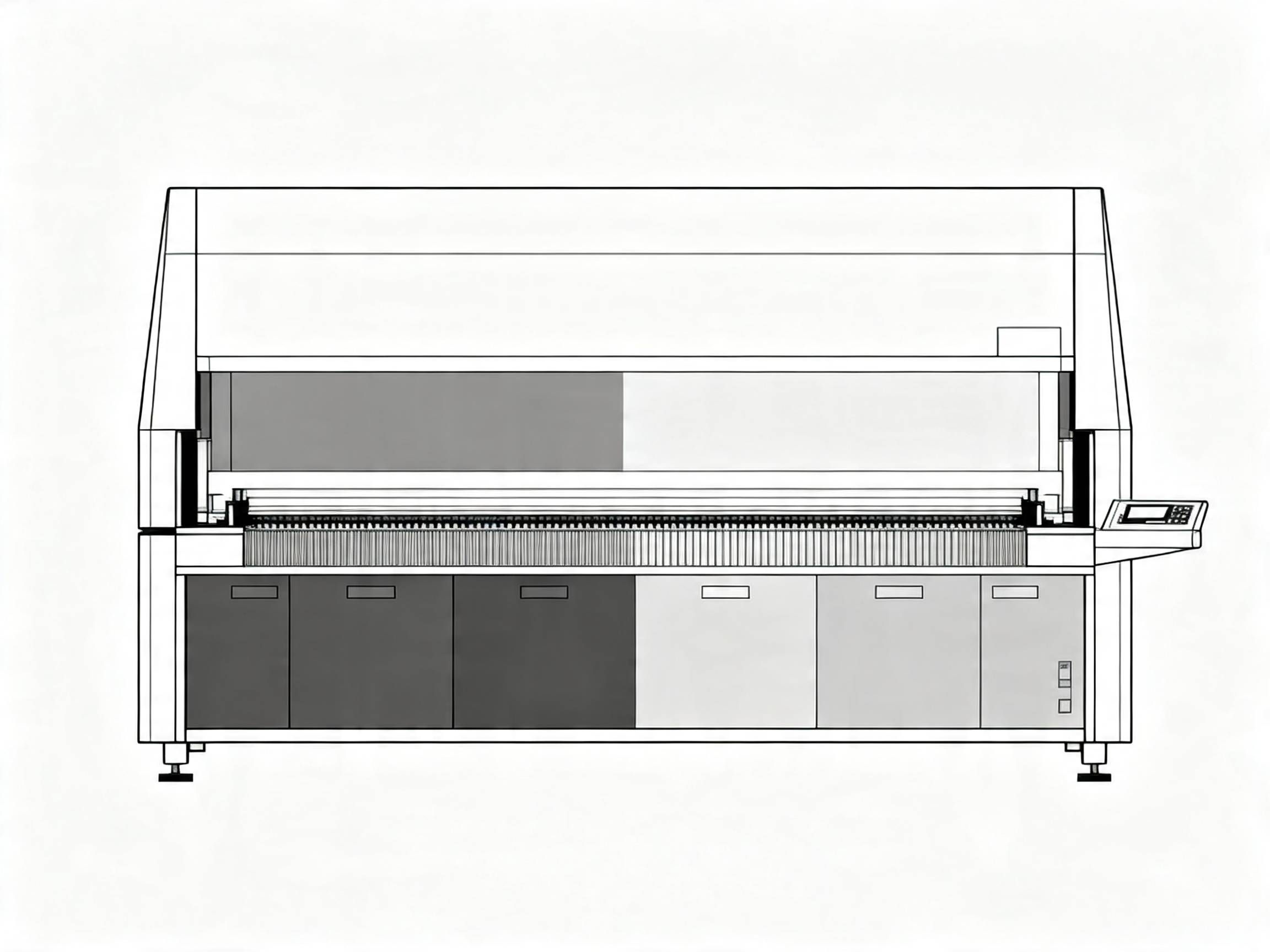
How Conveyor Systems Fit In
Conveyor systems play a key role in these ovens. They move the PCBs smoothly across temperature zones at a steady speed. Without them, the zones would lose synchronicity and create uneven soldering.
Expert Tip: Understanding how a reflow oven’s temperature zones and conveyor systems work together can help prevent soldering defects, saving time and reducing waste.
Reflow ovens can use different heating methods like convection, infrared, or vapor phase. Each has its pros and cons—for instance, convection ovens are widely used for their even heat distribution.
Setting Up the Optimal Temperature Profile
Getting a perfect temperature profile in a reflow oven is all about precision. Mess it up, and you risk frying your components or weak solder joints. So how do you nail this setup?
Step-by-Step Calibration
Here’s a simple way to calibrate your oven:
- Know Your Solder Paste: Start by understanding the specific melting temperatures and activation range for the solder paste you’re using. Most manufacturers include this in their datasheets.
- Preheat Zone Adjustment: Set the preheat temperature to gently raise the PCB’s temperature. Usually, this is 90°C to 120°C.
- Soak Zone Setup: Gradually increase the heat to activate the solder paste, staying within the activation limits (140°C to 170°C depending on the paste).
- Reflow Zone Settings: Push the temperature slightly above the paste’s melting point (around 230°C for lead-free solder), ensuring all components are securely attached.
- Cooling Zone Check: Make sure the cooling zone brings the temperature down gradually to prevent stress cracks in solder joints.
Tips for Better Efficiency
Efficient temperature profiles are key: Test your PCB profiles regularly using thermal monitoring tools like thermocouples. Also, run dummy boards through the oven to spot uneven heat distribution.
Expert Tip: Synchronize your temperature profile with the solder paste specs to save energy and reduce waste.
Watch Out for Thermal Shock
Rushing the preheat or cooling process can lead to thermal shock. This is when components or solder joints crack because of sudden changes in temperature. Avoid it by keeping transitions smooth and well-managed.
Why It Matters
Getting the temperature profile right isn’t just about avoiding bad solder; it impacts your production line’s speed and reliability. No one wants a queue of rejected PCBs slowing things down. Advanced reflow ovens from Sun and Mountain SMT are great for ensuring steady profiles thanks to their precision engineering and customizable settings.
Maintenance and Performance Optimization
Keeping your reflow oven in top shape is a big deal for consistent performance. Let’s look at how regular maintenance can save you from unexpected breakdowns.
Regular Cleaning Schedules
A clean oven runs better—no surprise there. Create a cleaning routine for conveyor belts and temperature zones. Dust and debris can mess up your oven’s efficiency.
Spotting Wear and Tear
Knowing what to look for helps catch problems early. Regular inspections of heating elements and conveyor systems are essential. Watch for signs like rust or fraying belts.
Expert Tip: Implement critical maintenance practices to enhance equipment longevity and minimize downtime.
Techniques for Uniform Heating
Uniform heating ensures consistent solder joints. Techniques like balancing heat in different zones and checking calibration regularly can prevent uneven results.
Best Practices
Here’s what works: schedule regular checks on critical components, and keep an eye on temperature fluctuations. Knowing your machine well means fewer surprises.
Avoid Downtime
Nobody likes downtime. Manage it by having a schedule for maintenance tasks. This means less chance of surprise breakdowns and more uptime for your production line.
Pro Insight on Performance Optimization
When running a successful production line, optimizing performance is a top priority. Keep machines calibrated, check for wear, and track temperatures. These steps help ensure everything runs smoothly.
Let’s wrap it up with this: Keeping reflow ovens well-maintained lets production lines run smoothly. With regular care, calibrating temperatures correctly, and staying on top of performance checks, you’re set for success in 2026 and beyond.
Integrating SMT Reflow Ovens into Automated Assembly Lines
Imagine a production line humming along, soldering components with surgical precision, all without human intervention. Sounds like a dream, right? But thanks to SMT reflow ovens, this dream is real. Let’s explore how these ovens can be smoothly integrated into existing automated SMT assembly lines.
Automation Compatibility
First things first, SMT reflow ovens need to mesh perfectly with your existing setup. Most modern reflow ovens, like those offered by Sun and Mountain SMT, are designed to plug seamlessly into automated workflows. They focus on precision and reducing manual interventions, which is music to any manufacturer’s ears.
The ovens work by synchronizing with other automated machinery, ensuring heat distribution is consistent and reliable. It means fewer mistakes, less waste, and happier production managers.
Scaling for Higher Volumes
Growing your production volume sounds exciting, but it comes with challenges. Scaling your equipment usage requires careful planning, and reflow ovens play a star role. Here’s how:
- Upgrading Capacity: Choose a reflow oven that offers adjustable temperature zones and conveyor speeds to handle higher volumes without a hitch.
- Flexible Adaptation: Make sure the ovens can adapt to shifts in production size, helping you meet fluctuating demands without constant re-calibration.
Real-World Applications
Big names in electronics manufacturing are already reaping these benefits. Take Sun and Mountain SMT for example. Their clients include businesses in East Asia and Europe, who report smoother workflows and improved profitability after adopting these ovens.
By having the flexibility to adjust temperature and speeds, these companies streamline their processes and tackle large orders with ease.
Pro Insight: Checking how other companies have integrated SMT reflow ovens can offer valuable insights and give ideas for your setup.
Wrapping It Up
Integrating reflow ovens with automated lines boosts efficiency and saves money. Curious about how this setup can work for you? Feel free to reach out to Sun and Mountain SMT for your SMT needs.
Mastering the operation of SMT reflow ovens is essential, whether you’re a beginner or a seasoned professional. With the right techniques, tools, and a bit of patience, you’ll be well on your way to seamless electronics manufacturing in 2026 and beyond.
Expert Conclusion: Jace Liu believes that understanding and optimizing reflow ovens is crucial. In his experience, a tailored approach to setup and operation empowers businesses to achieve remarkable efficiency and reliability.
Troubleshooting Common Mistakes in Reflow Soldering
Mistakes happen, but they don’t have to slow you down. Let’s dive into some common errors in reflow soldering and how to avoid them.
Identifying Solder Defects
Solder defects like voids or bridging can cause significant issues. Voids can weaken the solder joint, while bridging might short-circuit your components. Recognizing these problems early helps in fixing them effectively.
Tackling Solder Voids
Solder voids are tiny gaps within the solder joint. To reduce them, ensure your solder paste is stored properly and not exposed to moisture. Also, adjusting the reflow temperature profile can help minimize voids.
Fixing Bridging Issues
Bridging occurs when solder connects two adjacent pads that shouldn’t be connected. This is usually due to too much solder paste. Controlling the amount of paste and ensuring precise stencil printing can prevent this problem.
Pro Insight: From my experience, regularly checking your reflow process for common defects like solder voids is a game-changer. It saves both time and materials.
Real-World Troubleshooting
Imagine if half of your PCBs needed rework due to soldering mistakes. Ouch! By creating a checklist to inspect solder joint quality post-reflow, you can catch and fix defects early, reducing the need for rework.
Creative Solutions
Sometimes, adding a small tweak can make all the difference. If your reflow oven isn’t providing even heating, try adjusting the conveyor speed or the temperature zones slightly to achieve the best results.
Monitoring for Consistency
Ensure that the machine settings are consistent across production runs. This consistency prevents unexpected outcomes and supports good solder quality throughout.
Wrapping up the troubleshooting process involves not just fixing issues but understanding why they happened in the first place. By knowing common problems and their solutions, you’ll be better equipped to handle them efficiently and effectively. Remember, practice makes perfect, and with reflow ovens, constant monitoring and adjustment are the keys to success.
Related SMT Equipment
Looking for equipment to support your manufacturing line? S&M offers a full range of SMT equipment:
- SMT Reflow Ovens — Nitrogen and air atmosphere, 8-15 zones, dual-track options
- Wave Soldering Systems — Standard and selective soldering, 350-610mm tunnel
- PCB Loaders & Unloaders — Magazine-based automated board handling
- PCB Buffers — Storage and cooling buffers for production line balancing
- Curing Ovens — UV and thermal curing for coatings and adhesives
Contact our application engineers for equipment recommendations and line configuration support.