
PCB Buffers for SMT Line Balancing, Cooling and Temporary Storage
S&M PCB buffers help keep SMT lines running when upstream and downstream equipment do not move at the same rhythm. Options include standard buffers, storage buffers, cooling storage, OK/NG buffers, and active cooling buffers.
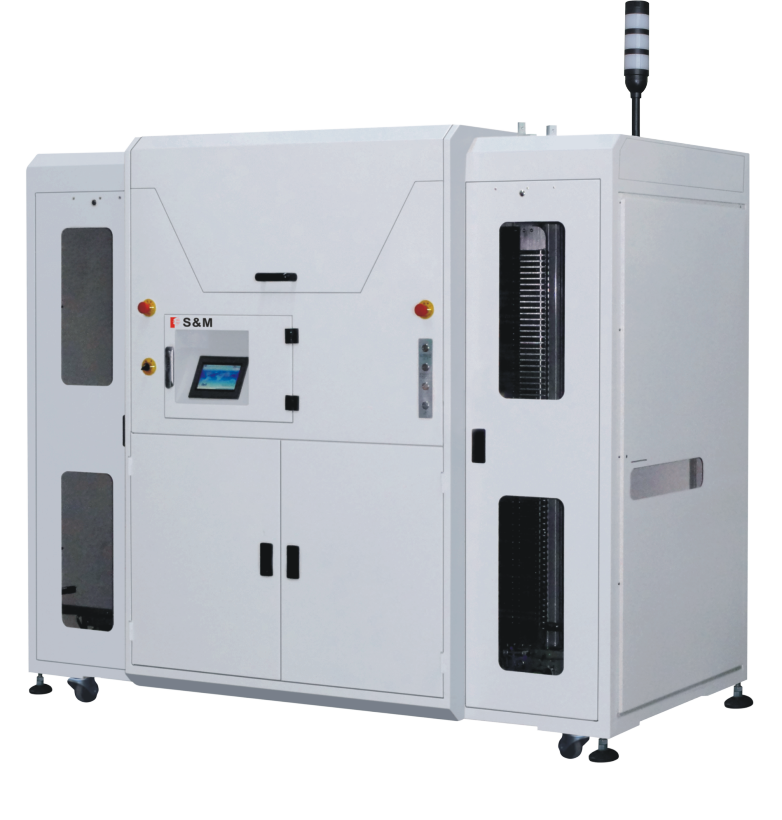
What Is a PCB Buffer Used For?
PCB buffers are installed between process stations to balance speed differences, store boards temporarily, cool boards, or sort OK/NG boards without stopping the whole line.
1. One slow station can stop the whole line if there is no buffer
One slow station can stop the whole line if there is no buffer.
2. Boards may need cooling before handling or downstream inspection
Boards may need cooling before handling or downstream inspection.
3. Inspection output often needs controlled sorting rather than simple pass-through
Inspection output often needs controlled sorting rather than simple pass-through.
Different Types of S&M PCB Buffer Equipment
Choose the buffer by whether the need is line balancing, storage capacity, cooling, cooling + storage, or OK/NG separation. This section uses existing S&M product pages and real equipment images.
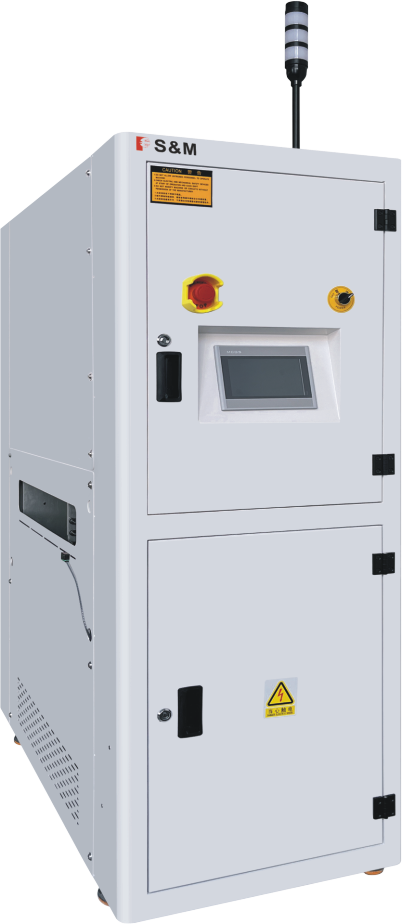
PCB Cooling Buffer ZCLC-3 | Active Cooling Conveyor Buffer
PCB Cooling Buffer ZCLC-3 for SMT line integration and real factory layout requirements.
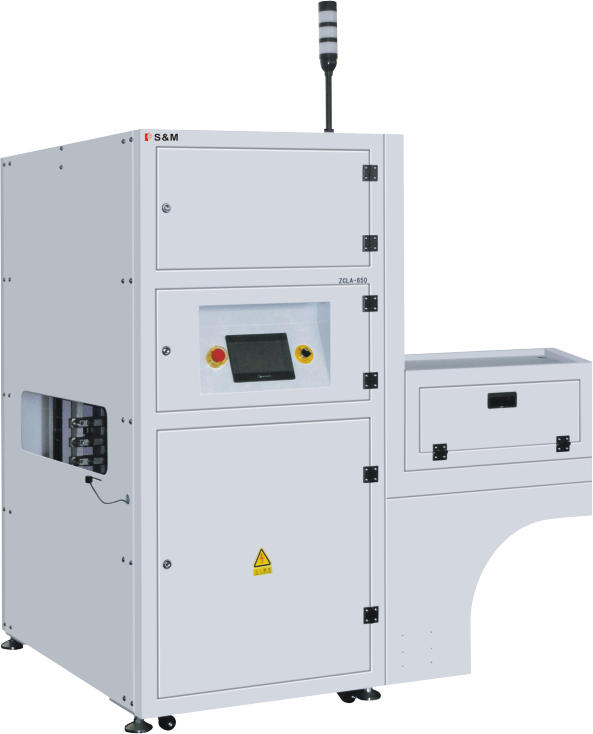
PCB OK/NG Buffer ZCLA-3 | Pass/Fail Sorting Buffer
PCB OK/NG Buffer ZCLA-3 for SMT line integration and real factory layout requirements.
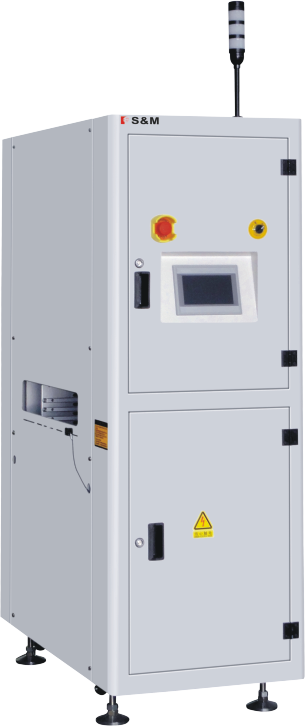
PCB Standard Buffer ZCL-3 | Line Balancing Buffer
PCB Standard Buffer ZCL-3 for SMT line integration and real factory layout requirements.
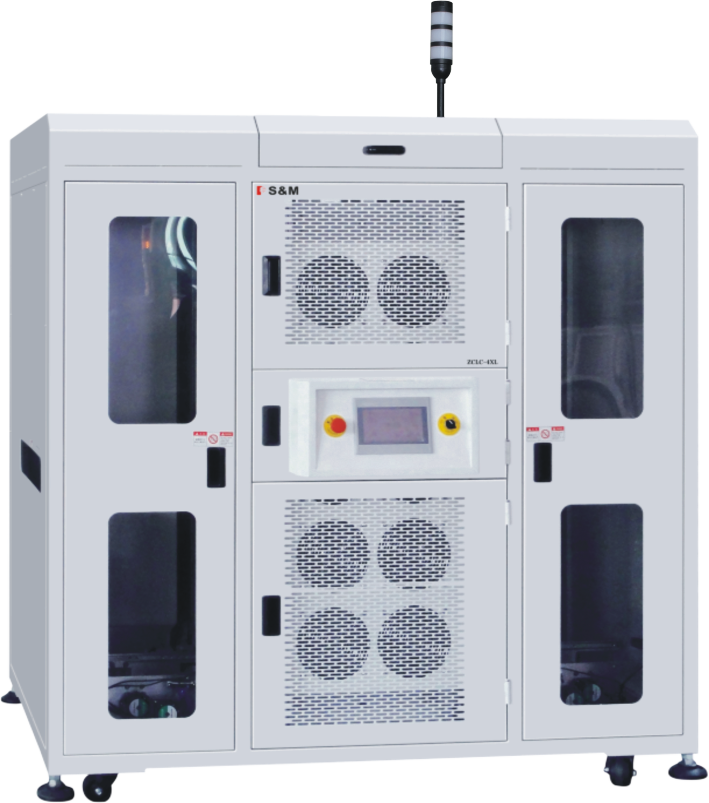
PCB Cooling Storage Buffer ZCL-3BL | Cool & Store After Reflow
PCB Cooling Storage Buffer ZCL-3BL for SMT line integration and real factory layout requirements.
PCB Storage Buffer ZCL-3BLii | High-Capacity Board Storage
PCB Storage Buffer ZCL-3BLii for SMT line integration and real factory layout requirements.
How to Choose the Right Configuration
Use the product type, board format, line layout and production target to narrow the equipment choice before requesting a quote.
| Equipment type | When to use it | What to confirm |
|---|---|---|
| PCB Cooling Buffer ZCLC-3 | Active Cooling Conveyor Buffer | Best choice when this equipment type matches your board handling, line routing, capacity or process requirement. | Share PCB size, line speed, direction, station position and target capacity for confirmation. |
| PCB OK/NG Buffer ZCLA-3 | Pass/Fail Sorting Buffer | Best choice when this equipment type matches your board handling, line routing, capacity or process requirement. | Share PCB size, line speed, direction, station position and target capacity for confirmation. |
| PCB Standard Buffer ZCL-3 | Line Balancing Buffer | Best choice when this equipment type matches your board handling, line routing, capacity or process requirement. | Share PCB size, line speed, direction, station position and target capacity for confirmation. |
| PCB Cooling Storage Buffer ZCL-3BL | Cool & Store After Reflow | Best choice when this equipment type matches your board handling, line routing, capacity or process requirement. | Share PCB size, line speed, direction, station position and target capacity for confirmation. |
| PCB Storage Buffer ZCL-3BLii | High-Capacity Board Storage | Best choice when this equipment type matches your board handling, line routing, capacity or process requirement. | Share PCB size, line speed, direction, station position and target capacity for confirmation. |
Position in the SMT Line
S&M equipment is selected around the real production flow, not as isolated machines. This helps reduce station mismatch and daily waiting time.
Related SMT Equipment
Build the page path around the buyer’s real line requirement: loading, transfer, buffering, soldering, curing and unloading.
Submit Your PCB Buffer Requirement Directly
Tell us your process position, board size, line speed, storage capacity, cooling requirement, and whether OK/NG sorting is needed.
Submit Your Requirement Here
Fill in the form below. Tell us your PCB size, process requirement, target UPH and destination country. Our team will respond within 1 business day.
FAQ
Common questions from EMS/OEM buyers and SMT process engineers.
Can S&M match this with our existing SMT line?
Yes. Share board size, conveyor direction, upstream/downstream machine position and target cycle time. We will check the line fit before quotation.
Do you support custom sizes?
For non-standard PCB size, line direction or station spacing, send the layout drawing and production target so the engineering team can confirm a suitable configuration.
What should we send for a fast quote?
Send PCB size, product type, target UPH, current line layout, destination country and any special process requirement.