
Published: 11 April 2026
Reading Time: 10 minutes
Reviewer: Simon Scrapes, Founder
Manufacturing Equipment & Machinery Market Statistics and Price Trends 2026
Let’s face it, staying on top of machinery price trends and market changes can be a little overwhelming. For businesses in electronics manufacturing, the stakes get higher as costs fluctuate while tech keeps advancing. Whether you’re comparing regional pricing, looking at commodity impacts, or calculating ROI for automation upgrades, 2026 is shaping up to be an interesting year.
Jace Liu is an experienced analyst specializing in manufacturing technology trends. With over a decade of experience in industry research, Jace has contributed to numerous publications on SMT equipment innovations and economic impacts on manufacturing strategies.
Current Trends in Equipment Pricing: Analysis for 2026
So, what’s happening in the world of machinery pricing right now? Across several industries, we’re seeing modest price increases for new equipment. According to AgDirect, most sectors are experiencing 1-6% hikes. Inflation is playing a big role here, along with material and parts costs. Interestingly, the used equipment market isn’t following the same path. Shrinking inventory has created more mixed pricing trends. Simply put, prices depend on what’s available and where.
When it comes to SMT (Surface Mount Technology) equipment, we’re seeing a similar pattern. Costs are reflecting both advancements in technology and the rising expense of production materials. Tariffs and high-interest rates are adding to the pressure, as explained in CSG Talent’s analysis. For many manufacturers, adapting to these external forces has required shifting sourcing strategies and renegotiating supplier contracts.
Expert Tip: Raw material costs, such as copper and gold, directly affect machinery pricing. Keeping an eye on commodity prices is essential for predicting future equipment costs.
Regional Price Variations in SMT Equipment Across 2026
Not all regions are seeing the same price changes. In 2026, SMT equipment in Asia-Pacific markets tends to be cheaper due to the area’s high production capacities and export volume. North America, on the other hand, faces higher costs. According to this regional report, infrastructure expenses and tariffs are making the region more expensive for machinery purchases. Europe is kind of in the middle, with a mature market showing steady, but slightly higher investments in machinery upgrades.
I’ve seen firsthand how businesses in these regions adjust their strategies. Some electronics hubs in Asia successfully keep per-unit production costs low, while companies in North America cope by investing in long-term automation benefits. This approach helps justify the initial purchase price over time.
How Companies Adapt Pricing Strategies in 2026
Here’s the thing: EMS and OEM companies have been passing much of the rising costs onto their clients. Tariffs, volatile material pricing, and energy surcharges are causing direct price increases by 15-35%. Dynamics Source notes that businesses are finding smarter ways to adapt though, like focusing on nearby suppliers and building resilience through agile delivery systems. In electronics manufacturing hubs like Shenzhen, this strategy pairs well with cost prediction models.
And yet, companies still face challenges with older equipment and production inefficiencies. If you upgrade, go for tech that will allow scaling; modular designs can do wonders for ROI while minimizing downtime in production.
Automation Technology and Its Cost Implications
Automation isn’t just a buzzword; it’s how modern manufacturing stays competitive in 2026. Adopting automation upgrades can reduce manual interventions, increase production precision, and enhance operational efficiency. But these benefits come with upfront costs—and lots of them.
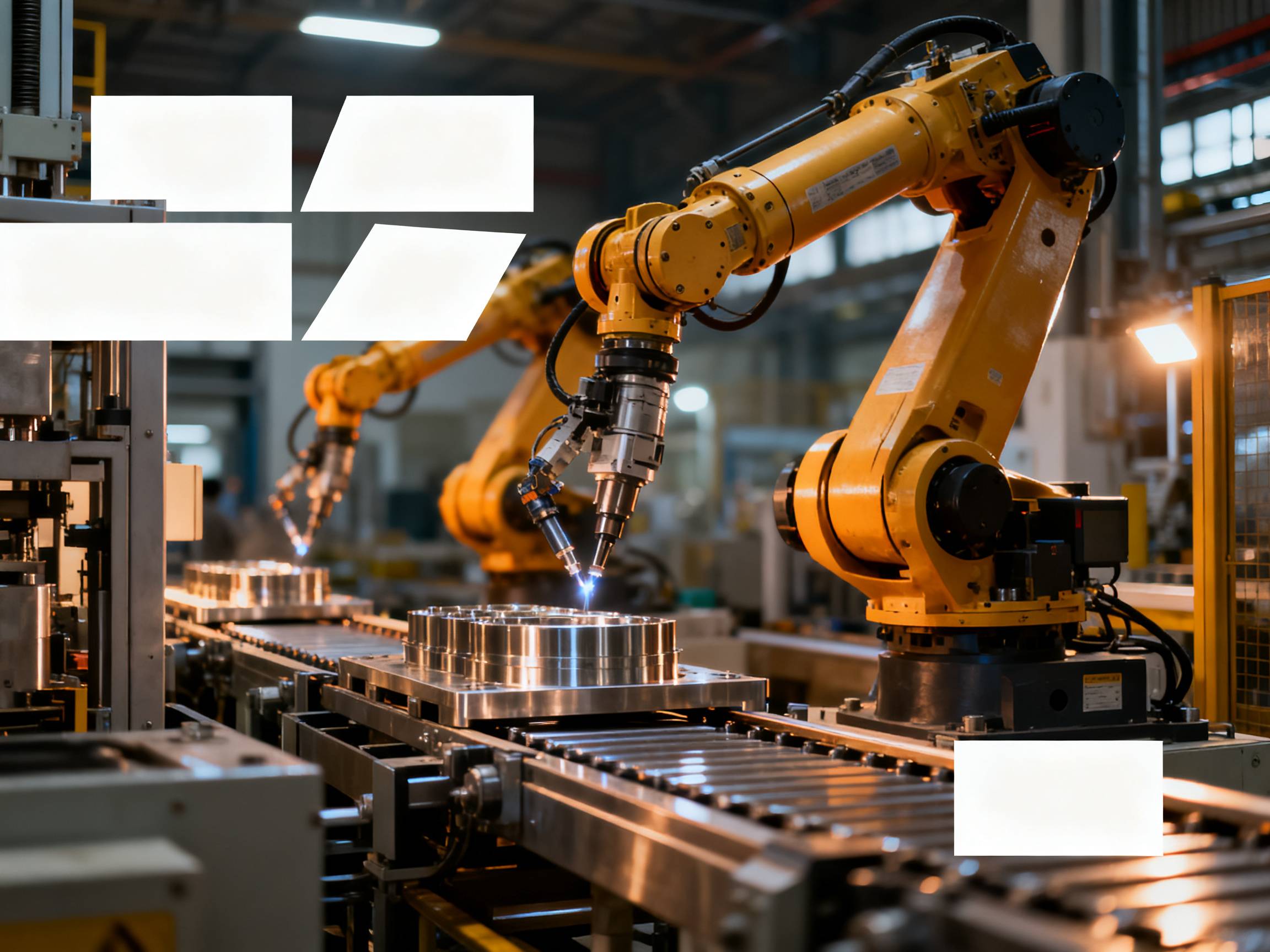
In the SMT equipment world, automation solutions like modular conveyor systems or advanced reflow ovens can reduce assembly costs significantly. For example, a white paper by IntervalZero highlights that automating processes can improve production throughput by 10% or more per hour. This adds scalability without compromising quality.
Plus, automation can simplify compliance with international quality standards. By minimizing human error and allowing real-time adjustments, companies can meet stricter rules without the headache of manual interventions. For manufacturers participating in global markets, this kind of precision makes a big difference.
Pro Insight: If you’re considering automation upgrades, compare automation costs against manual or hybrid processes. Sometimes, investing in flexible systems saves more in the long run.
Despite its benefits, automation adoption isn’t straightforward. Businesses must navigate compatibility issues with existing setups. For some, phasing in upgrades helps avoid downtime. Working closely with equipment providers, like Sun and Mountain SMT, ensures smooth integration with production lines that already deliver value.
Equipment costs vary greatly by function and volume. The price of copper and other raw materials also plays into the final cost of scalable automation solutions. Modular designs offer some savings by skipping customizations, making them popular for OEM companies with tighter budgets. It’s all about balancing high-tech investment with production efficiency.
Future Outlook: Market Evolution and Opportunities Beyond 2026
What’s next for the manufacturing equipment sector? As we move toward the end of 2026, big changes are on the horizon. New trends in automation, material costs, and regional manufacturing hubs are shaping the future landscape in ways that will demand flexibility and fast adaptation. Supply chains will continue to feel pressure from external forces like geopolitical shifts and environmental regulations, pushing companies to find creative solutions for managing machinery sourcing and expenses.
One emerging trend is the continued integration of AI-driven analytics into machinery operations. This technology helps manufacturers predict downtime, optimize production timelines, and ensure smoother equipment transitions. For companies that rely on Surface Mount Technology equipment, AI-based tools could prove essential for reducing manual interventions even further. According to the VentureOutsource report, AI is already showing efficiencies that save manufacturers up to 10% annually on production costs.
Another area worth watching is the impact of climate initiatives on manufacturing strategies. Sustainability is becoming more important, and future investments in machinery may depend on energy efficiency certifications and compliance with eco-friendly practices. Manufacturers are already sourcing machines with lower energy requirements, proving that “going green” can be cost-effective.
From Our Experience: Preparing for market disruptions means closely tracking early signs of change. Companies should build strategies that balance flexibility with long-term goals.
Expect regional nuances to continue to define machinery pricing too. East Asia will likely remain a powerhouse for affordable production equipment, while North American manufacturers could lean more into automation as a competitive edge to justify higher upfront costs. European companies, balancing tradition with tech upgrades, may focus on collaborative efforts between industries to smooth out costs. I’ve witnessed firsthand how businesses pivot strategies depending on these regional shifts. For instance, electronics hubs in Hong Kong and Shenzhen are experimenting with leasing programs that offer scalable equipment setups, cutting upfront costs for manufacturers while ensuring access to advanced machinery.
For businesses hoping to stay ahead, the key will be flexibility—adjusting sourcing, investing in modular designs, and committing to ongoing tech adoption. If there’s one takeaway, it’s this: future success requires preparation for accelerating innovation and cost pressures. The faster manufacturers adapt to new trends, the better equipped they’ll be to remain competitive in an evolving industry.
Price Predictions for SMT Equipment Categories: Innovation, Geopolitics, and Market Dynamics
How will prices change in 2026 for SMT equipment? The answer depends on a mix of innovation, external pressures, and demand shifts. For starters, advanced tech like modular SMT configurations or AI-powered systems are becoming more popular, but they cost more upfront. Higher material costs (for items like copper and silver) are pushing prices up too. Companies balancing these factors are often torn between paying for premium efficiency or settling for simpler, older machines.
Looking ahead, geopolitical risks like tariffs, trade adjustments, and material shortages could disrupt pricing. For instance, fluctuations in the price of copper impact chip production, while tariffs on electronics imports continue shaking up supply chains. When regions tighten trade stances, equipment pricing often follows suit.
Besides external factors, innovation is speeding up changes. AI tools integrated into SMT products work overtime predicting equipment downtime or production issues. By saving manufacturers as much as 10% annually, these tools make premium SMT upgrades worth it for companies prioritizing quality over cost. Investing in modular setups or systems that scale comes out on top for competitive manufacturers looking beyond 2026.
From Our Experience: Preparing for rising costs and tech upgrades means keeping a close eye on early industry shifts. Annual equipment spend predictions are useful when planning for scaling or budget tweaks in electronics hubs.
With a blend of global factors and localized impacts, knowing these pricing dynamics early in the year helps manufacturers stay agile. Whether it’s planning for raw material spikes or leveraging automation tools, accurate market predictions are crucial to staying ahead in the race for efficiency.
Automation Technology and Its Cost Implications
Automation isn’t just a buzzword; it’s how modern manufacturing stays competitive in 2026. Adopting automation upgrades can reduce manual interventions, increase production precision, and enhance operational efficiency. But these benefits come with upfront costs, and lots of them.
In the SMT equipment world, automation solutions like modular conveyor systems or advanced reflow ovens can reduce assembly costs significantly. For example, a white paper by IntervalZero highlights that automating processes can improve production throughput by 10% or more per hour. This adds scalability without compromising quality.
Plus, automation can simplify compliance with international quality standards. By minimizing human error and allowing real-time adjustments, companies can meet stricter rules without the headache of manual interventions. For manufacturers participating in global markets, this kind of precision makes a big difference.
Pro Insight: If you’re considering automation upgrades, compare automation costs against manual or hybrid processes. Sometimes, investing in flexible systems saves more in the long run.
Despite its benefits, automation adoption isn’t straightforward. Businesses must navigate compatibility issues with existing setups. For some, phasing in upgrades helps avoid downtime. Working closely with equipment providers, like Sun and Mountain SMT, ensures smooth integration with production lines that already deliver value.
Equipment costs vary greatly by function and volume. The price of copper and other raw materials also plays into the final cost of scalable automation solutions. Modular designs offer some savings by skipping customizations, making them popular for OEM companies with tighter budgets. It’s all about balancing high-tech investment with production efficiency.
Related SMT Equipment
Looking for equipment to support your manufacturing line? S&M offers a full range of SMT equipment:
- SMT Reflow Ovens — Nitrogen and air atmosphere, 8-15 zones, dual-track options
- Wave Soldering Systems — Standard and selective soldering, 350-610mm tunnel
- PCB Loaders & Unloaders — Magazine-based automated board handling
- PCB Buffers — Storage and cooling buffers for production line balancing
- Curing Ovens — UV and thermal curing for coatings and adhesives
Contact our application engineers for equipment recommendations and line configuration support.