
Published: 25 April 2026
Reading Time: 10 minutes
Reviewer: Simon Scrapes, Founder
Top Electronics Assembly Companies and Pricing Insights for 2026
You know those electronics you use every day, like your smartphone or smart TV? Somebody had to put all the tiny components together to make those devices work perfectly. Electronics assembly is a big deal, and in 2026, it’s evolving at a lightning pace. This year, companies are investing in smarter manufacturing, using AI and automation to keep quality high and costs low. But here’s the catch: deciding which assembly provider is right for your business isn’t easy.
Let’s dive into the top companies leading the charge in 2026 and the key pricing insights that every EMS (Electronics Manufacturing Services) and OEM (Original Equipment Manufacturer) business needs to know.
Jace Liu is an industry expert in Surface Mount Technology (SMT) manufacturing solutions, specializing in precision equipment such as reflow ovens and PCB conveyor systems. Having collaborated with OEM and EMS businesses across global electronics hubs, Jace brings a wealth of experience in optimizing electronics assembly processes and cost-effective manufacturing.
Why Choosing the Right Electronics Assembly Company Matters
Picture this: You’re leading a manufacturing team for a product launch. Any delays in production, quality issues, or unexpected costs are going to throw a wrench into your timeline—and your profits. That’s why picking the right assembly company makes all the difference. They can help streamline processes, ensure components perform flawlessly, and keep your bottom line happy.
In 2026, this decision has gotten even more critical because of rising pricing pressures and demand for faster turnaround times. Companies like Foxconn and Jabil Inc. are pushing boundaries in scaling production while keeping the costs competitive. Meanwhile, Flex Ltd. has a reputation for balancing customization with affordability. Every option has unique strengths, so aligning with the right partner depends heavily on your project goals and budget.
Big Trends Shaping Electronics Manufacturing in 2026
Before we dig into pricing, let’s talk about what’s shaping the industry this year. Here’s what’s making waves in electronics manufacturing:
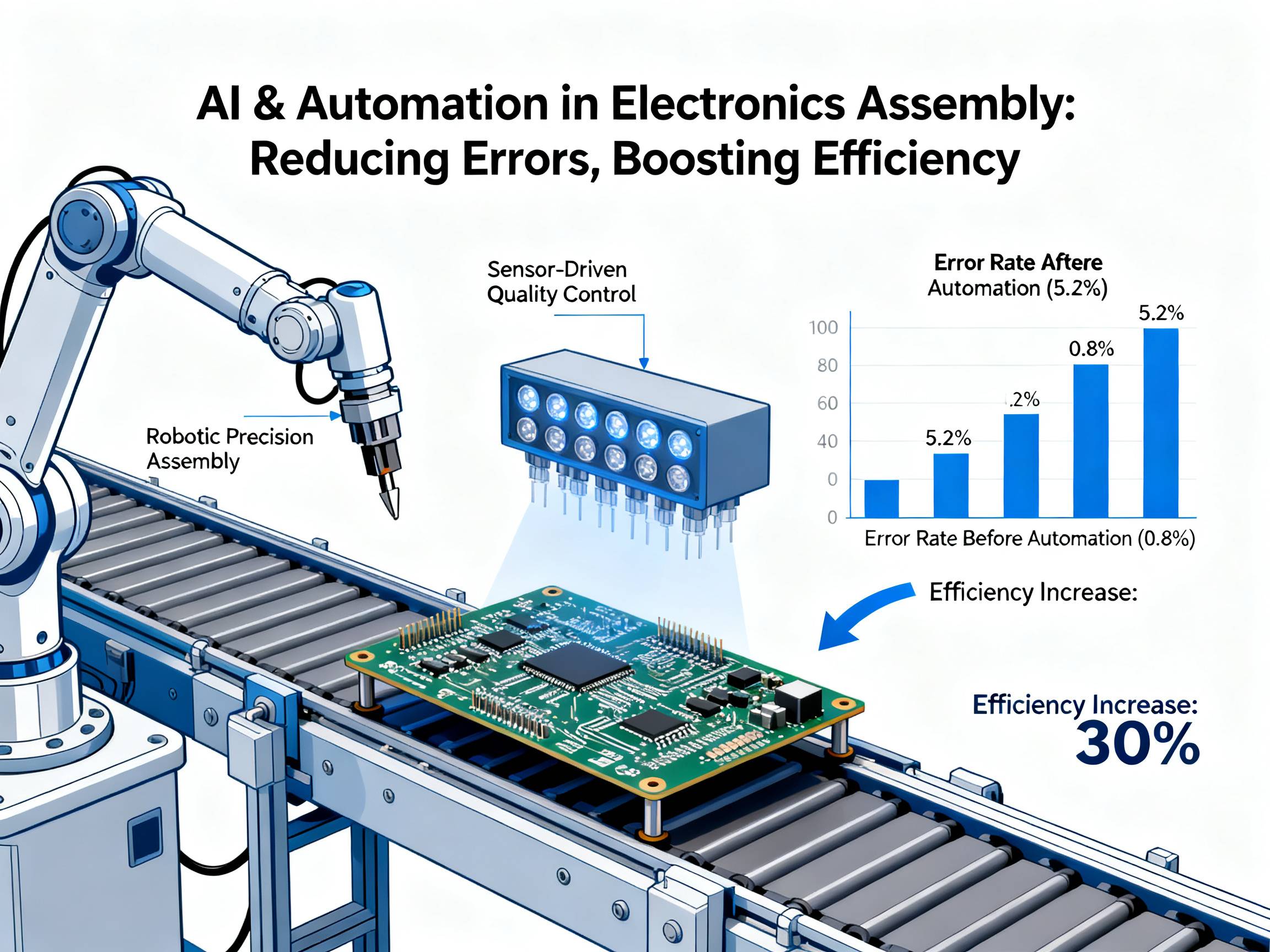
- Automation Meets AI: Factories are using AI-powered systems to boost efficiency. Tasks that used to need human hands are now automated, cutting down on errors and speeding up production.
- Miniaturization and Density: Electronics are getting smaller but capable of doing more. This trend pushes manufacturers to refine their processes to maintain precision.
- Sustainability: Eco-conscious production is now a must. Some leaders in the industry are focusing on recycling materials and reducing waste.
- Localized Supply Chains: Rather than relying on global hubs, companies are spreading out their supply chains to prevent bottlenecks and delays.
Taking advantage of these trends could mean the difference between being competitive or left behind.
Expert Tip: Analyzing cost-saving strategies for 2026 manufacturing models can help your business make smarter decisions when it comes to choosing the right partner.
Benchmark Electronics: Affordability Without Compromise
Let’s talk about one of the lesser-known stars in the electronics assembly world: Benchmark Electronics. While bigger names like Foxconn and Jabil Inc. often steal the spotlight, Benchmark stands out by offering high-quality assembly services at prices that are easier on your budget.
Affordable Pricing & High Standards
Benchmark’s pricing strategy focuses on affordability without sacrificing quality. They’re one of the go-to options for companies that need reliable electronics manufacturing but aren’t looking to break the bank. Whether you’re producing low volumes of custom equipment or scaling up slowly, Benchmark’s cost-effective model takes the pressure off your budget.

From my experience, companies we’ve worked with have seen measurable savings when choosing Benchmark, especially if high-volume output isn’t the goal. Their approach combines fair pricing with impeccable quality standards, making them a win-win for many OEMs and EMS teams.
Focus on Low-Volume, High-Precision Markets
If you’re in a niche industry with detailed manufacturing needs, Benchmark might be your ideal partner. This is their sweet spot. They specialize in serving companies looking for low-volume but high-precision outputs, whether it’s medical devices, aerospace components, or industrial IoT gadgets.
But here’s something to keep in mind: their primary focus on precision may mean higher costs for atypical projects or high-volume needs. It’s part of the trade-off—exceptional accuracy doesn’t come cheap, but it’s worth it for specific industries where exact measurements are everything.
Trade-Offs to Consider
Affordable pricing and customization do come with some caveats. While Benchmark offers great value, they might not be your best bet for a project requiring lightning-fast scaling. Plus, if your product requires intricate customization beyond precision-based assembly, other providers like Flex or Jabil Inc. could provide broader options.
Pro Insight: Real-world savings are achievable when you align your manufacturing needs with Benchmark’s precision AND volume sweet spots. For example, they’re ideal for EMS companies that want modular solutions for smaller runs but don’t need the complexities of global mega-producers.