
Mastering Selective Soldering: Processes, Nozzles, and Troubleshooting
Published: 25 April 2026
Reading Time: 8 minutes
Reviewer: Jace Liu, Expert in Electronics Manufacturing Solutions
Selective soldering can be a game-changer for those of us in electronics manufacturing. It’s about soldering specific areas without damaging nearby sensitive parts. Imagine trying to weld a single spot on a delicate bracelet without melting everything around it. Now that’s tricky!
Selective soldering is key in electronic manufacturing when you need that extra precision. It helps keep parts safe while ensuring reliable connections. Plus, it cuts down on defects, and that’s something we all want.
Jace Liu, a seasoned expert in electronics manufacturing, has extensive knowledge and experience in the field of SMT equipment. With over 15 years in the industry, Jace specializes in innovative solutions for precision soldering processes, focusing on enhancing automation and efficiency in electronic assembly.
Understanding Selective Soldering
Selective soldering is not just about putting parts together. It’s an art. You need the right tools and know-how. Want to make sure only specific areas are soldered? You’ll need a selective soldering machine. These machines protect sensitive parts from heat.
Expert Tip: Choosing precise soldering can boost production efficiency.
It sounds fancy, but selective soldering is pretty straightforward. It’s all about using localized heating to keep things safe while assembling high-complexity electronics.
Common Processes and Techniques
The selective soldering process isn’t that complicated. You’ve got to know how the machine works. The nozzle is super important here. Think of it like the brush for an artist.
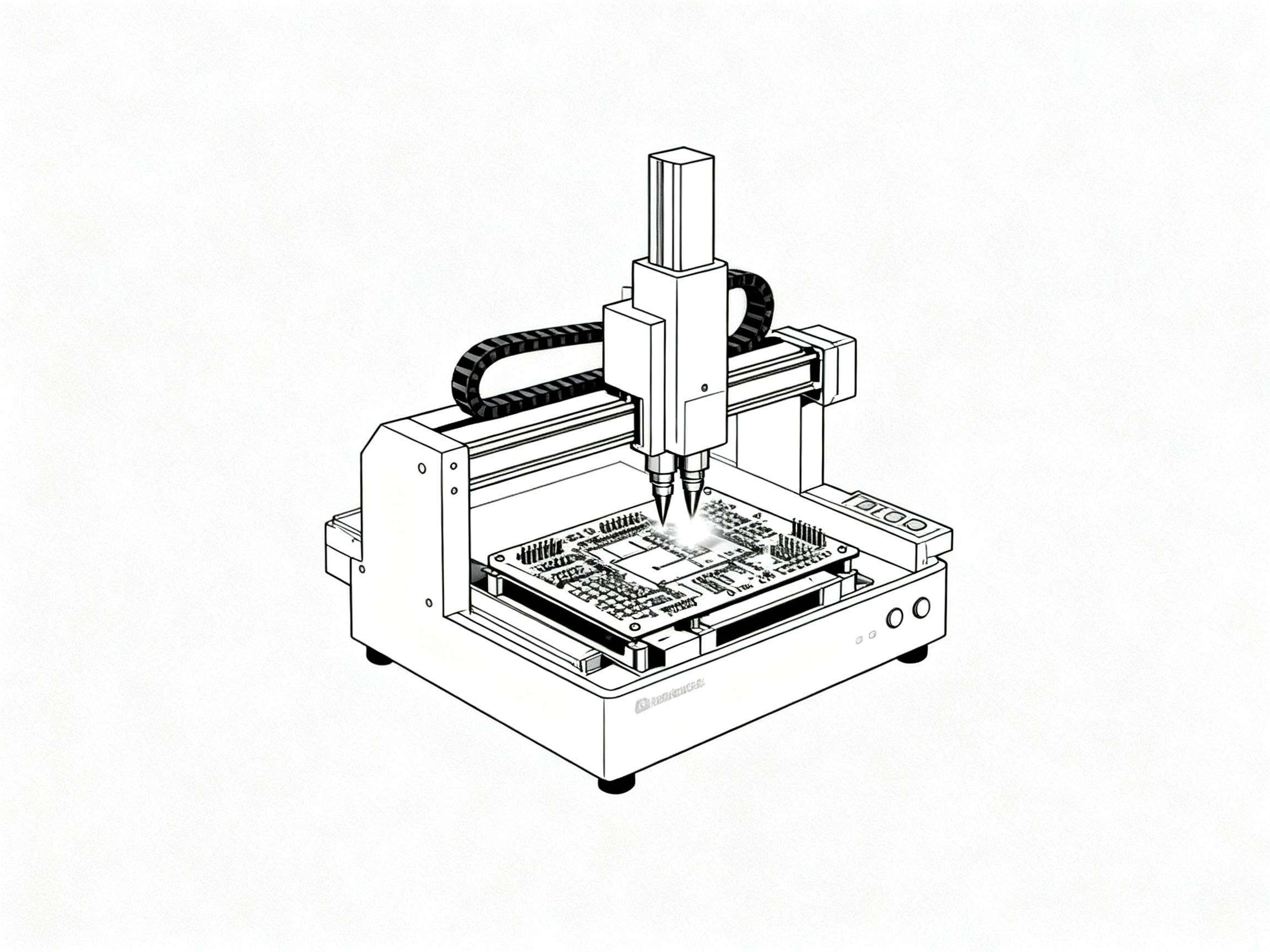
The nozzle has to fit the job. It’s vital for precision. Machines with flexible nozzle options are top picks for varied production needs.
Optimizing with Nozzles
Nozzles are your best friends in the world of selective soldering. Choosing the right one depends on what you’re working with. Need precision? Look for specialized nozzles.
Pro Insight: The right nozzle can make all the difference in production outcomes.
Finding the right balance might be tricky, but using the correct nozzle can optimize your work. It’s all about knowing your tasks and having the right tools on hand.
Troubleshooting Challenges
There are hurdles in every process, and selective soldering is no different. Sometimes things don’t go as planned. How do you fix that? Identify the usual suspects like nozzle fit or heat settings.

From Our Experience: Watch out for common pitfalls like nozzle issues and adjust them accordingly.
It’s essential to have a plan for troubleshooting so production doesn’t slow down.
Future of Selective Soldering
Selective soldering isn’t just today’s trend; it’s here to stay. With Industry 4.0 and AI, things are evolving fast. New machines are smarter and can handle complex jobs efficiently.
As of 2026, companies like Sun and Mountain SMT are leading the way with advanced selective soldering machines that integrate real-time data to keep things smooth.
The landscape of selective soldering is changing with global trends. With automation, costs can be kept under control while potentially increasing throughput.
Current trends lean toward more innovative solutions, with easier integration into production lines. Companies that aim to scale operations while enhancing quality find these advancements particularly beneficial.
Conclusion: Selective soldering offers precision that traditional methods might not. Pairing the right machines with smart techniques saves time and boosts productivity. Sun and Mountain SMT machines are tailored for efficiency, making them a wise investment for companies chasing precision and reliability. Keep exploring these innovations to see how they fit into your production strategy.
The future holds immense promise for selective soldering in electronics manufacturing. Adapting to these changes ensures businesses stay competitive, efficient, and ready for what’s next.
Troubleshooting Challenges in Selective Soldering
Selective soldering might be a smart solution, but like with any complex process, issues can pop up. Without a troubleshooting plan, production might stall or, worse, lead to defective products. So, let’s break down the common challenges and how to fix them.
Common Challenges in Selective Soldering
The first hurdle is misaligned nozzles. These are the precision drivers of the process, so when they’re off, your soldering will be too. Nozzles need to fit perfectly with the task at hand; otherwise, you’ll wind up with inconsistent solder joints. Another common issue? Incorrect heat settings. Get this wrong, and you risk overheating delicate components or leaving joints under-soldered.
Also, unclean surfaces are a sneaky problem. Even slight contaminants can mess with solder adhesion, causing weak connections. Last but not least, there’s human error. Without proper training, even the best tools can fail to do their job.
Real-Time Troubleshooting Techniques
Here’s where production teams can save the day. First, regularly check your nozzles for wear and replace them as needed. Machines that handle selective soldering often let you do quick nozzle swaps, which is super handy.
Heat settings can be a headache, but most modern selective soldering machines, like those offered by Sun and Mountain SMT, come with automated temperature adjustments. If you don’t have a machine with this tech, a quick recalibration based on your PCB specs can work wonders.
When it comes to surface cleanliness, incorporating a pre-solder cleaning step can prevent many issues. Automated cleaning machines or even a manual wipe of the PCB with industry-grade solvents can improve solder adhesion.
From Our Experience: Watch out for common pitfalls like overheated nozzles or poorly calibrated temperature settings. Regular checks and adjustments keep everything running smoothly.
Most importantly, train your team well. Training doesn’t have to be overly complex. Hands-on demos and shadowing experienced technicians help build skills quickly. And the investment in training pays off big time in fewer errors and smoother workflows.
Effective Training Strategies
If training feels like a weak link in your process, start with the basics. Teach your team the “why” behind each setting and step. For example, explain how misaligned nozzles lead to weak solder joints or how a slight temperature difference could ruin a sensitive component.
Interactive learning is key. Short videos or even simple troubleshooting guides can help technicians learn fast and retain more. Plus, regular refreshers are important, especially as machines evolve with new updates.
By combining these strategies with routine equipment checks, you’ll not only fix issues as they arise but also prevent many from happening in the first place. Remember, a proactive approach always beats a reactive one.
Optimizing your selective soldering process isn’t just a technical goal—it’s a competitive advantage. Equipment from brands like Sun and Mountain SMT brings built-in troubleshooting features, which makes the process so much easier for busy teams.
The Role of Innovation in Selective Soldering
The tech world is moving fast, and selective soldering is no exception. Companies that stay ahead of the curve are embracing cutting-edge advances to meet increasing production demands. But how does this impact manufacturers, and what trends are helping redefine the game?
Upcoming Tech Advancements
By 2026, companies are already seeing smarter selective soldering machines powered by AI and machine learning. These systems can notice inconsistencies mid-production and automatically adjust temperature or nozzle positioning. It’s like having a technician on standby 24/7. Innovations like adaptive soldering profiles are becoming more common, reducing defect rates significantly.
Brands including Sun and Mountain SMT are working on equipment that integrates cloud communication, allowing for real-time monitoring of production data. This makes tracking efficiency or troubleshooting issues straightforward, even for teams working remotely.
Another big leap? Automation of cleaning processes. Keeping production surfaces spotless has always been a headache, but newer machines now include automated pre-cleaning options. Fewer contaminants mean faster soldering and stronger joints.
Market Demands Driving Change
The demand for smaller, more complex electronics is shaping this sector. Consumer gadgets like wearables and smartphones keep shrinking, which means components get smaller too. This creates a need for ultra-precise soldering to protect these tiny parts without compromising quality.
Also, as global supply chains evolve, production cycles are tightening. Manufacturers need faster turnaround times to stay competitive. This is why some companies are looking into hybrid solutions combining selective soldering machines with legacy hardware to optimize workflows.
Preparing for Industry Shifts
If your company hasn’t started exploring newer selective soldering technologies, now is the time. For many businesses, upgrading feels like a daunting expense. The good news is that brands like Sun and Mountain SMT offer financing options and refurbished systems to make the transition easier.
Investing in employee training is another essential step that often gets overlooked. New machines mean new workflows, so teams must learn how to adapt. Interactive video tutorials and hands-on training programs are two great ways to speed up learning.
Here’s the takeaway: forward-thinking businesses don’t just adapt to change—they anticipate it. Whether it’s through acquiring advanced technology, employing versatile equipment, or scaling to meet demand, staying flexible is key.
And who knows? This is just the start of what selective soldering holds. The more we innovate, the more potential grows for electronics manufacturing to become faster, stronger, and less prone to error.
The future is brighter than ever for companies that keep up, but the choice to move forward is yours. Ready to make the leap?
Final Takeaways for Mastering Selective Soldering
Selective soldering combines precision with power. By mastering the right processes, choosing the perfect nozzles, and being prepared with smart troubleshooting strategies, you can make the most out of this indispensable technique. The fine-tuning of automated systems today ensures higher reliability and reduced errors compared to past manual methods.
Moving forward, embrace the rapid technology advancements in this space. Companies like Sun and Mountain SMT are paving the way with machines that not only meet today’s needs but anticipate tomorrow’s challenges. They bring efficiency and adaptability to the forefront, offering businesses the competitive edge they need to thrive in electronics manufacturing. Keeping up with this technology means staying ahead of industry demands for high-complexity components and shorter production times.
If you’re considering integrating selective soldering into your processes, start small. Evaluate your needs, upgrade strategically, and train your team to handle this technology effectively. You don’t have to overhaul everything at once—you can upgrade equipment in phases or even explore refurbished solutions if budget is tight.
Focus on continuous improvement. Check your nozzles, ensure surfaces are clean, and keep an eye on heat settings. Regular maintenance and employee training will do wonders for your production line.
Selective soldering is the way forward. Embrace its advantages, scale your capabilities, and you’ll see the difference it makes in building high-quality, precise, and efficient electronic assemblies. Need help finding the right equipment? The innovation leaders at Sun and Mountain SMT can guide you toward smart solutions that fit your workflow perfectly. Ready to take the next step?