
Published: 16 February 2026
Reading Time: 7 minutes
Reviewer: Simon Scrapes, Founder
The Ultimate Guide to Selective Soldering Machines in 2026: Top Brands Compared
In the fast-moving world of electronics manufacturing, innovations are everything. One such game-changer is the rise of selective soldering machines. If you’ve ever worked in manufacturing, you probably know how stressful it can be to deal with soldering issues—bridging, overheating, endless reworks that suck up time and resources. Selective soldering machines are here to simplify things while taking precision to an entirely new level.
In this guide, we’ll walk you through what these systems can offer in 2026: the leading manufacturers, top features to look for, and even a glance at cost versus benefits. If you’re in the OEM or EMS space trying to optimize production lines, this one’s for you.
Jace Liu is an industry expert with years of experience in the electronics manufacturing field. Having collaborated with OEM and EMS clients globally, Jace has a proven track record in researching and consulting on advanced manufacturing processes for high-efficiency electronics production.
What Makes Selective Soldering Machines a Must-Have?
Selective soldering machines aren’t just regular soldering tools—they’re designed to tackle common manufacturing pain points. The idea behind these machines is simple but powerful: they precisely solder designated points on printed circuit boards (PCBs), leaving other components untouched. This approach minimizes mistakes, reduces waste, and speeds up production overall.
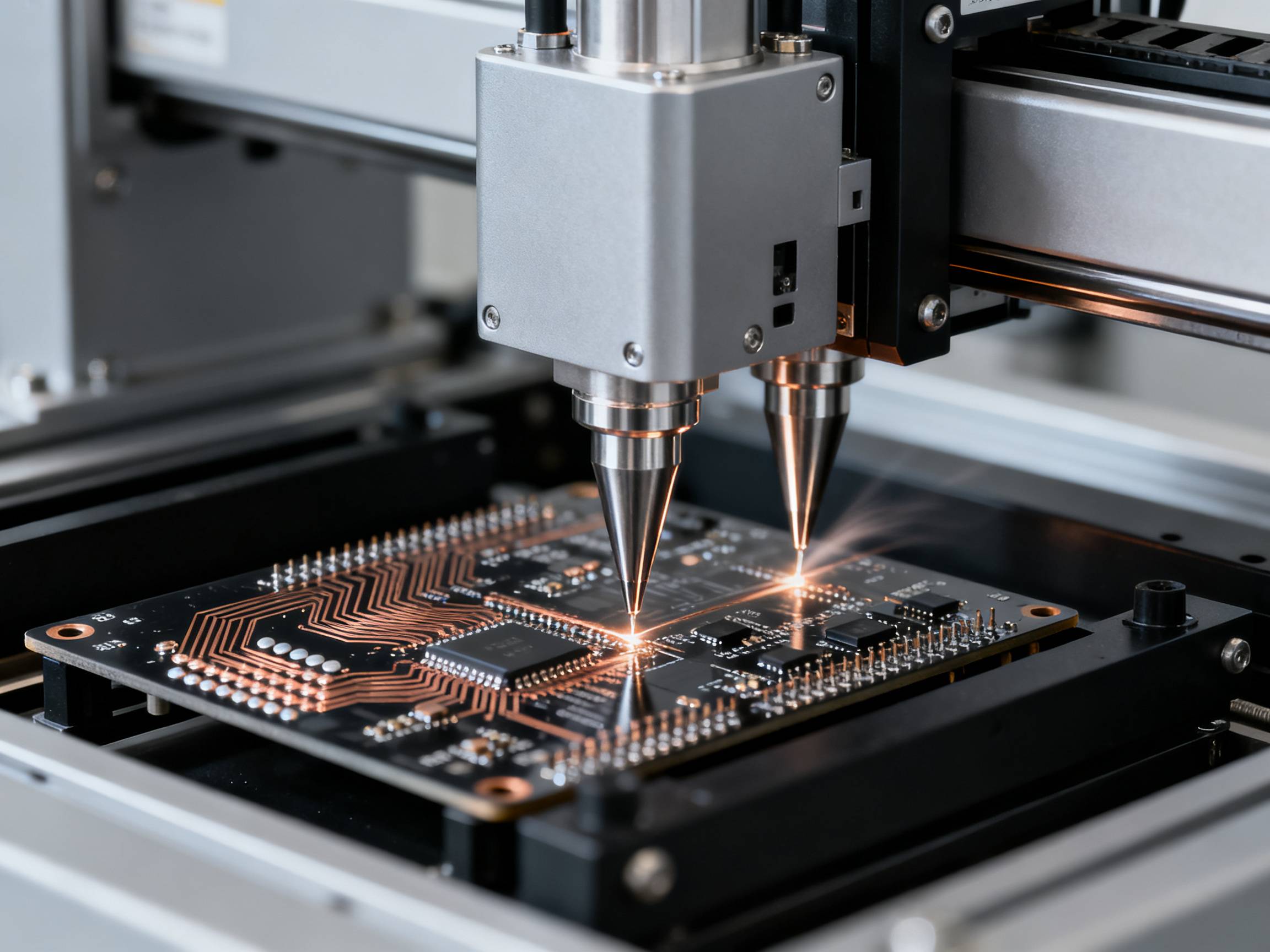
Here’s why they’re changing the game:
-
Reduced Waste: Since the solder is applied only where it’s needed, you’ll save on materials like solder and flux. That means a big cost reduction over time.
-
Precision on Point: Traditional wave soldering can lead to issues like solder bridging or overheating nearby components. Selective soldering machines avoid those pitfalls thanks to their precision nozzles and individual joint programming.
-
Suitability for Different Tech: These systems excel with mixed-technology boards, seamlessly joining both surface-mount and through-hole components. That’s a game-changer for complex electronics manufacturing.
-
Improved Production Speed: By automating what used to be a tedious job, these machines cut the time it takes to solder a PCB while also reducing human errors or inconsistencies.
Still not convinced? Over the years, I’ve seen companies reduce their defect rates to below 1% just by switching to these systems. No exaggeration—devices like laser-based soldering machines have made it possible.
How to Choose the Best Selective Soldering Machine for Your Needs
Getting the right selective soldering machine can feel overwhelming at first. After all, each machine is tailored for specific tasks, and finding the perfect match involves more than just browsing specs. But don’t worry, we’ve narrowed it down to the top factors you should consider before making your decision.
1. Production Volume and Flexibility
If you’re working with high production volumes, look for a machine that can handle consistent, rapid cycles without overheating. Machines with modular designs allow expansion as production grows. For smaller operations, compact models save space and provide flexibility for mixed-production runs.

Pro Tip: Think about your future production needs too. A modular design can save you from having to buy an entirely new system as your company scales.
2. Level of Automation
Automation is a game-changer in 2026’s manufacturing landscape. Machines with advanced programming options reduce human error and speed up cycle times. Features like automatic nozzle calibration, integrated fluxing, and real-time error detection can make a world of difference.
3. Precision Soldering Features
For highly detailed boards or mixed-technology setups, precision is everything. Look for machines with laser or nozzle-based selective soldering technology and programmable individual joint control. This ensures delicate components are soldered safely and accurately without risk of overheating.
4. Budget and Total Cost of Ownership (TCO)
Upfront costs don’t tell the full story. Think about recurring expenses like consumables, maintenance, and energy efficiency. Consider whether the machine offers a strong return on investment (ROI) in terms of labor savings and defect reduction.
Expert Tip: When calculating TCO, include factors like downtime prevention, energy consumption, and maintenance costs. A slightly more expensive machine might save you money in the long run.
5. Compatibility with Existing Lines
Your new machine should integrate smoothly with your existing equipment. Check for compatibility with conveyor systems, SMT lines, and software protocols. Machines designed for seamless integration help you avoid costly modifications.
By thinking through these points carefully, you can avoid common pitfalls like overpaying for features you’ll never use or buying a machine that can’t handle your growing needs. The glue to remember here? Align the specs with your workflow.