
Published: 20 May 2026
Reading Time: 9 minutes
Reviewer: Simon Scrapes, Founder
Top 10 Best Reflow Ovens and Stations for Every Skill Level and Budget (2026 Guide)
When it comes to putting together printed circuit boards (PCBs), getting the soldering process just right is a big deal. At the heart of this is your choice of equipment, especially reflow ovens and stations. Whether you’re a hobbyist experimenting in your garage or an Original Equipment Manufacturer (OEM) running large production lines, the right reflow oven can make all the difference.
And in 2026, the options are better than ever. But the tricky part is figuring out which one fits your needs, skill set, and budget. The wrong machine can lead to uneven heating, poor solder joints, wasted time, and even fried components. Nobody wants that.
Here’s what we’re diving into today: 10 of the best reflow ovens and stations on the market. But before we get to the list, let’s break down why choosing the right one matters and what challenges different users face.
Author’s Note: [Author’s Name] is a seasoned expert in electronics manufacturing technologies, specializing in SMT equipment and high-precision electronic assembly. With years of experience in helping businesses implement scalable and efficient manufacturing solutions, [Author’s Name] brings deep insights into the world of reflow ovens and soldering stations.
Why Reflow Ovens Matter in PCB Soldering
If you’ve ever worked with PCBs, you’ll know this: good soldering is essential for reliable electronic connections. Reflow ovens are the backbone of this process. They use controlled heating to melt solder paste, securing components to the board just right. But here’s where it gets tricky—different components and boards need different temperatures, speeds, and profiles.
For hobbyists, a small mistake—like setting the wrong temperature—can ruin hours of work. For professionals, errors like inconsistent heating in high-volume production can cost thousands of dollars.
And the needs change depending on who you ask. Beginners tend to focus on finding a reliable, user-friendly machine at a reasonable price. Mid-level operators are all about balance—value for money without sacrificing too much performance. But OEMs? They want precision, scalability, and energy efficiency to tackle large-scale production.
What ties it all together is one thing: the right reflow oven helps prevent headaches and delivers consistent, high-quality output every time.
The Best Affordable Reflow Ovens for Hobbyists in 2026
Finding the perfect reflow oven as a hobbyist can feel like a serious challenge. You want something reliable and easy to use, but you probably don’t want to spend more than $500—after all, it’s likely a passion project, not a large-scale operation.
Fortunately, many affordable options can deliver great results without breaking the bank. Here are a few key features to look for:
- Compact Size: Hobbyists usually work with small workspaces, so an oven with a smaller footprint is ideal.
- Temperature Profiles: Look for models that include pre-programmed profiles or allow you to save custom ones.
- Safety Features: Auto shut-off and cool-down functions can go a long way in preventing accidents.
Top Picks Under $500
- K-81 Hobby Reflow Oven ($399): This compact machine is perfect for beginners. It’s easy to set up and includes four preset profiles.
- HeatMate Mini V2 ($449): Great for small boards with consistent results. It comes with a specialized cooling zone that protects delicate components.
- SMD MiniHeat 2026 ($499): A versatile option that supports custom profiles and has an intuitive touchscreen.
These ovens deliver reliable performance for small-scale soldering needs. Plus, they are easily available online and often come with beginner-friendly guides.
Expert Tip: When shopping for a budget-friendly reflow oven, look for a balance of features like temperature control, footprint size, and ease of use. Some models may cut corners on secondary elements like cooling zones, so prioritize the essentials.
Understanding Conveyor Configurations and Energy Efficiency in Reflow Ovens
Picking the right reflow oven often boils down to understanding how conveyor configurations and energy-saving features work together to balance performance. Here’s why this is key.
Conveyor Configurations: Keeping Things Moving
Reflow ovens, especially in larger manufacturing setups, rely heavily on conveyor systems. The belt speed can greatly affect soldering results, making it crucial to get it right. For beginners or small to mid-sized operations, a single-lane conveyor might suffice, offering simplicity and ease of use.
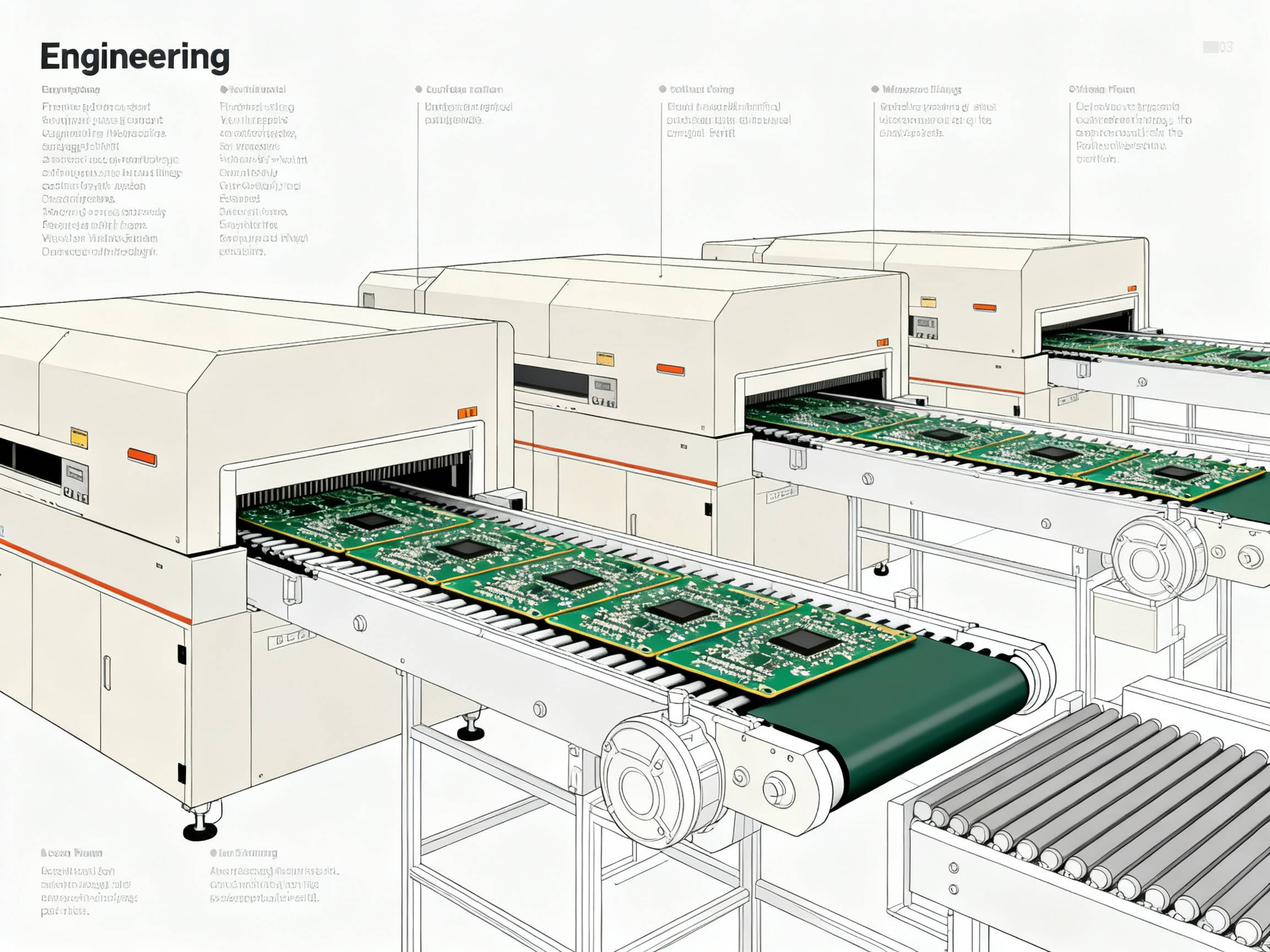
But larger EMS or OEM setups require dual-lane configurations. These double the throughput without doubling the footprint, allowing for efficient large-scale production. For those working with diverse product lines, adjustable width conveyors offer flexibility to handle various board sizes seamlessly.
Energy Efficiency: Saving Costs While Maintaining Quality
Energy-saving isn’t just about reducing electricity bills. It’s about maintaining consistent performance without sacrificing output quality. In 2026, many reflow ovens offer features such as standby modes or ‘smart’ heating elements that use power only when necessary. This not only cuts costs but also extends the life of the oven.
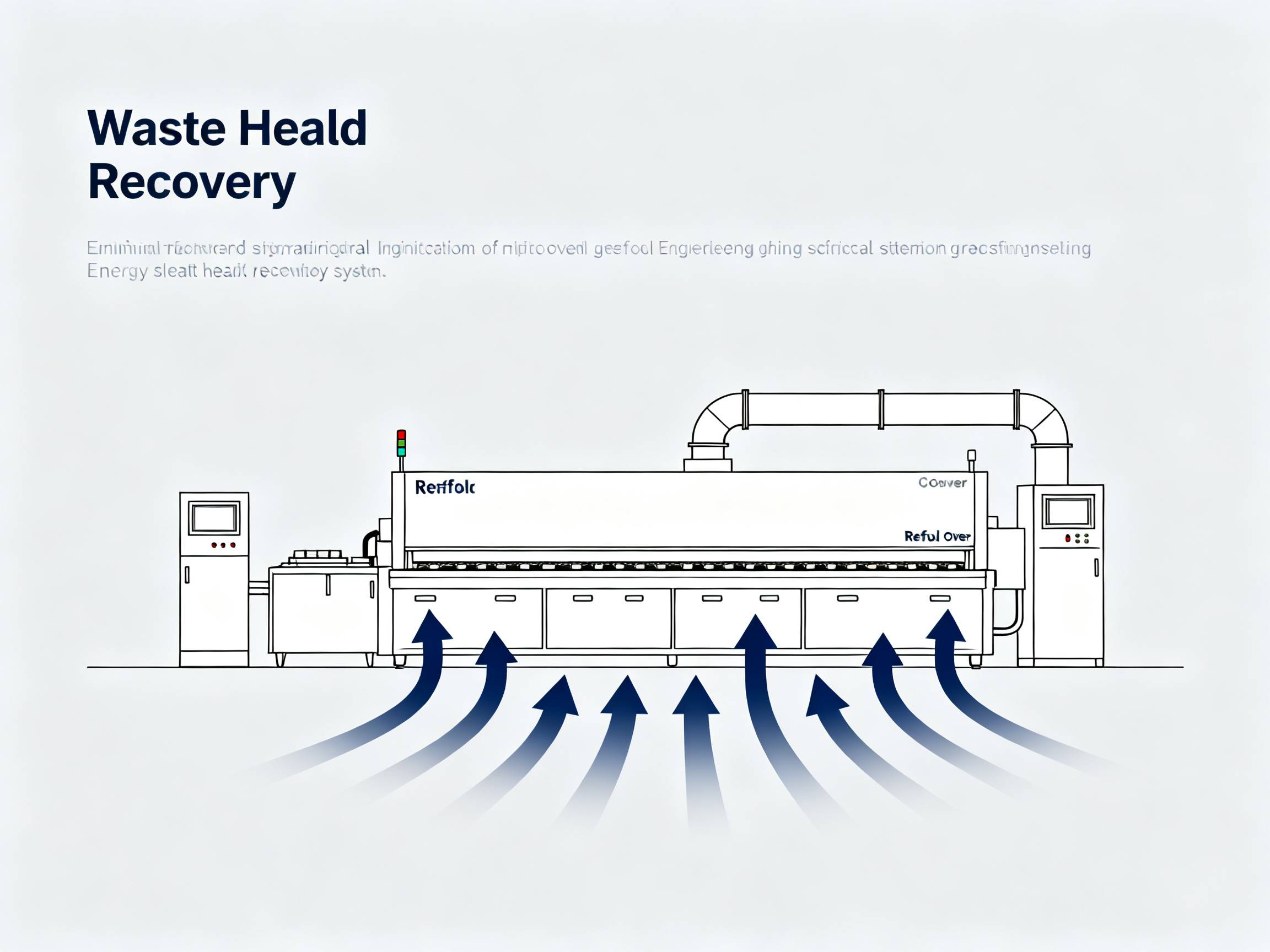
Plus, ovens with energy recovery systems are becoming popular. These utilize waste heat to preheat incoming air, improving thermal efficiency.
Temperature Monitoring for Perfect Fits
Whether you’re a hobbyist or managing a large-scale line, temperature precision is non-negotiable. A modern reflow oven with accurate temperature monitoring ensures tight tolerances, which means less error in solder joint quality.
Integrated software solutions can track and report thermal profiles, providing real-time data to help operators make informed adjustments. This can drastically reduce the time spent troubleshooting and increase the consistency of results.
Pro Insight: When scaling production, look for ovens that combine both advanced conveyor and energy-saving features. This combination not only saves on resources but also boosts production speed and efficiency.
These features make advanced ovens a worthy investment for those in the electronics manufacturing sector. Brands like Sun and Mountain SMT are leading the charge in delivering comprehensive reflow ovens equipped to deal with the demands of 2026’s fast-paced production environment. With equipment focusing on precision, durability, and integration, they ensure you keep pace with market demands while safeguarding quality and efficiency.
Not everyone needs the bells and whistles right away. Let’s be real, sometimes simpler is better. For beginners, prioritizing size and simplicity might make more sense than intricate features you won’t utilize fully.
Remember, reflow ovens aren’t just tools. They’re partners in quality control, ensuring every solder joint meets expectations.
With tech evolving rapidly, always aim for an oven that perfectly matches your current and near-future needs. Matching specifications with your product goals ensures top results and keeps those headaches at bay.