
Published: 26 May 2026
Reading Time: 10 minutes
Reviewer: [Reviewer Name Placeholder], [Credentials Placeholder]
You know that sinking feeling when a production run looks fine at first, then the defects show up later? A few cold joints here. A bit of tombstoning there. Suddenly, a line that should be making money is chewing up time and boards.
That is why reflow profiling matters so much in 2026.
In SMT assembly, the oven is not just a hot tunnel. It is where solder joints are made or lost. A reflow profiler helps you see the true heat story across preheat, soak, reflow, and cooling, so your team is not guessing. With modern boards getting smaller and packed tighter, even tiny temperature misses can lead to rework, scrap, or field failures. Good profiling helps production teams tune settings, cut trial and error, and build steadier output from run to run, as explained in KIC’s lead-free reflow profiling guide.
And the tech itself has changed a lot. What used to be basic temperature logging is now smarter, faster, and much easier to tie into connected factory systems in 2026. Today, buyers are looking at more than thermocouples and graphs. They want reflow profiling software, live monitoring, cleaner data, and tools that fit into the rest of the SMT line without causing drama. Fair enough.
[Author Name Placeholder] is an industry expert with extensive experience in electronics manufacturing and SMT technologies. With a focus on automation and precision, they have contributed to numerous advancements in reflow profiling innovation. Their insights have helped various companies streamline operations and enhance productivity.
Why reflow profiling is a big deal in modern SMT
If you run an EMS or OEM line, precision is not just nice to have. It is the whole game.
Modern electronics manufacturing depends on tiny parts, tight tolerances, and repeatable heat control. A board may pass through the same oven every day, but that does not mean every board sees the same thermal result. Conveyor speed changes, oven drift, board mass, and product mix can all shift the profile. That is where a kic profiler, solderstar profiler, or another advanced reflow profiler earns its keep.
A good reflow profiler kit helps your team do four simple but huge things:
- check that the oven matches solder paste specs
- confirm peak temperature and time above liquidus
- cut defects before they spread across a batch
- keep records for traceability and process control
Pretty simple on paper. But in real production, this is often the line between smooth throughput and a long afternoon in the rework area.
We are also seeing a bigger push toward precision across electronics manufacturing in 2026, especially as boards get denser and quality demands get tougher. That trend is tied to tighter automation, better monitoring, and smarter factory decisions. And yes, profiling sits right in the middle of that.
From basic loggers to smart profiling systems
Profiling tools used to be a lot more manual. Engineers would run a board, grab the data, adjust the oven, then repeat the process until it looked right. It worked, sort of. It also ate up time.
Now things are moving toward smart profiler technology, connected software, and faster setup. The best reflow profiler software in 2026 does more than display a graph. It helps teams compare recipes, catch drift, store historical runs, and sometimes guide users toward better settings with less guesswork. That is a big shift for teams trying to scale output without scaling headaches.
For companies reviewing options like a kic reflow profiler, a solderstar profiler, or a kic sps smart profiler, the key question is not only what hardware looks best. It is also this: what reflow profiler do I need for the way my line actually runs?
That answer depends on your product mix, changeover frequency, reporting needs, software preferences, and how deeply you want profiling data tied into your wider process. A high-mix EMS in North America may need something different from an OEM running long, repeatable batches in East Asia. That part gets overlooked a lot.
And if your factory is already investing in ovens, conveyors, and line automation, this choice matters even more. Companies like Sun and Mountain SMT, for example, build SMT equipment around precision, uptime, and line compatibility, so pairing that kind of hardware with the right profiling setup can make day-to-day production a lot less messy.
What this comparison will help you figure out
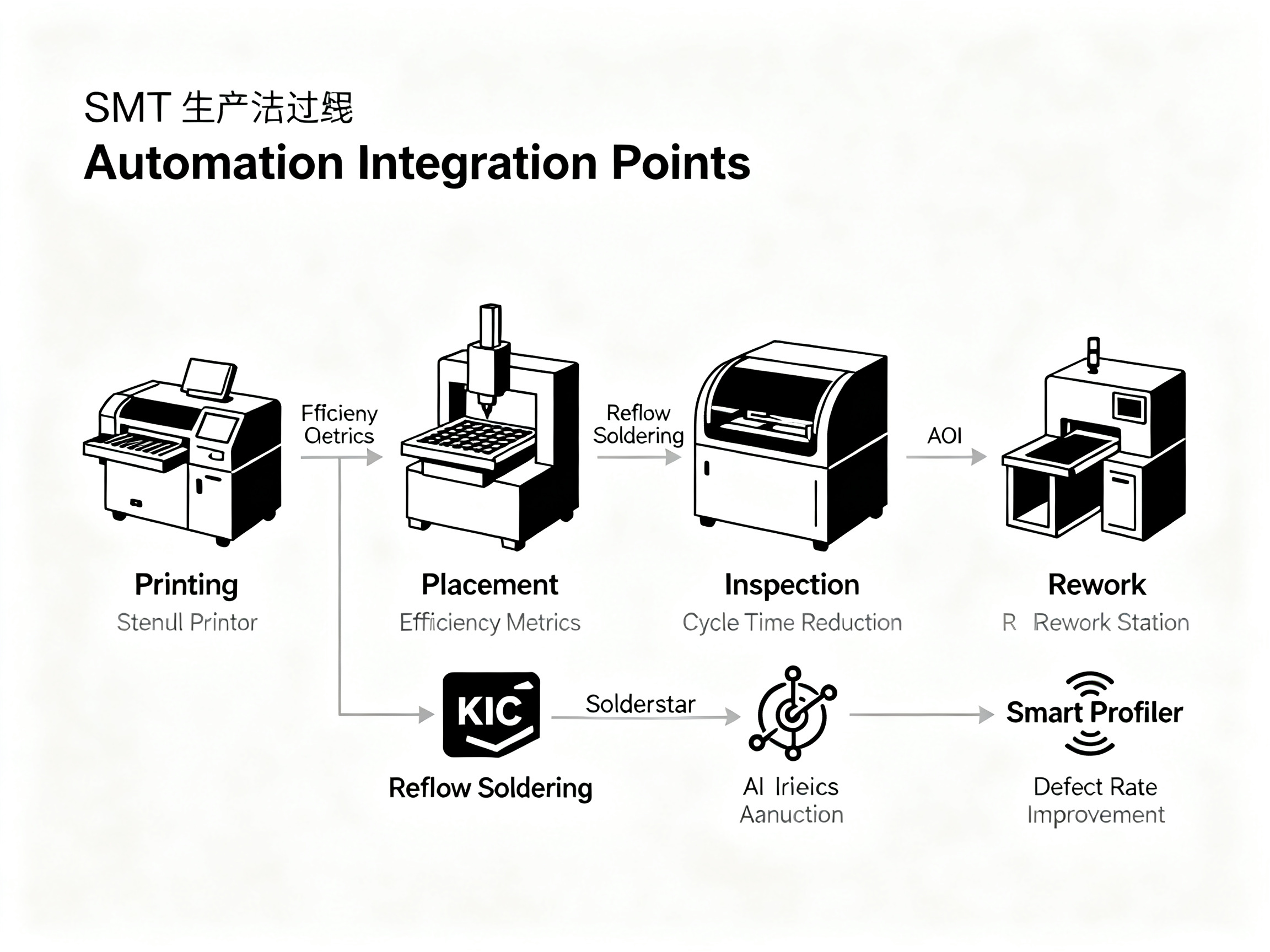
This guide is built to answer the stuff buyers actually ask:
- what reflow profiler is best for my factory in 2026
- what reflow profiler do I use for high-mix or high-volume lines
- which option gives the best software experience
- how kic profiler tools compare with solderstar profiler systems
- whether a kic sps smart profiler fits a more connected factory setup
We will look at features, workflow fit, software, and real production value. Not hype. Just the practical stuff you would want to know before spending real budget on a best reflow profiler tool.
Because let us be honest, nobody wants to explain a bad equipment buy in the next procurement meeting.
Continuing education and investing in smarter profiling tools is the surest way to keep your process ahead of the competition. Trust the data, use your tools, and make integration your secret weapon for next year’s challenges.