
Published: 26 May 2026
Reading Time: 8 minutes
Reviewer: Simon Scrapes, Founder
You know that moment when a batch of boards comes out looking almost perfect, but two pads are dull, one chip has shifted, and now you’re stuck asking what went wrong? That’s usually the moment people stop seeing a reflow oven as just another machine. In PCB assembly, the oven often decides whether your solder paste profile turns into clean, repeatable joints or a pile of rework.
In 2026, picking the best reflow oven is less about chasing flashy specs and more about matching the machine to the job. A hobbyist reflow oven needs simple controls, safe heating, and decent repeatability. Prototype ovens need more tuning room, tighter process control, and fast changes between board runs. Production reflow oven machines need stable thermal performance, low downtime, and smooth line integration. Different goals. Different budgets. Different stakes.
This guide breaks down the best reflow oven options for hobbyists, prototype teams, and production buyers, with a close look at what actually matters in day-to-day use. If you’ve searched for best reflow oven reddit threads and still felt more confused than helped, you’re not alone. Let’s sort it out together.
An industry expert specializing in Surface Mount Technology equipment with a focus on automation, precision, and electronics manufacturing. Known for authoritative insights on efficient manufacturing solutions.
Why reflow ovens matter so much in PCB assembly
A reflow oven does one job, but it does a very big job. It heats solder paste through a controlled profile so components bond to the PCB at the right temperature and for the right amount of time. If that profile drifts, even a little, you can end up with tombstoning, cold joints, bridging, or overheated parts. Not fun.
And boards in 2026 aren’t getting easier to build. They tend to be smaller, denser, and packed with parts that don’t forgive sloppy heat control. Industries like automotive, aerospace, and medical electronics keep pushing for tighter reliability, and that makes precision a daily concern, not a nice extra. A useful overview of why high-accuracy assembly matters today comes from Foxtronics’ 2026 PCB assembly trends review.
Here’s the simple version:
| What the oven affects | Why it matters |
|—|—|
| Temperature uniformity | Helps all components solder evenly |
| Ramp and soak control | Reduces stress on parts and boards |
| Peak temperature accuracy | Helps solder melt fully without damage |
| Cooling consistency | Supports stronger solder joints |
| Throughput | Impacts delivery speed and labor time |
So yes, the best reflow station or oven isn’t just about heating boards. It’s about yield, repeatability, and whether your team spends Friday building product or fixing defects from Tuesday.
What changed with SMT reflow ovens in 2026
A lot, actually.
Reflow oven machines in 2026 are moving toward better energy use, more stable chamber temperatures, smarter monitoring, and less operator guesswork. That’s a big deal for both small labs and high-volume plants. Newer designs also aim to cut warm-up time and reduce maintenance slowdowns, which matters when every pause in a production line starts costing money fast.
Manufacturers are paying more attention to thermal consistency across the full width of the conveyor, atmosphere control, and easier profile management. According to Altus Group’s look at newer Heller oven technology, current systems are being shaped by energy savings, improved flux management, and stronger process control. That’s not just marketing copy either. Those features tend to show up in lower scrap, cleaner operation, and more predictable output.
A few trends stand out in 2026:
- Better thermal uniformity for dense and mixed-component boards
- More automation for profile setup and monitoring
- Higher focus on uptime and easier maintenance access
- Cleaner operation for long shifts and repeat jobs
- Stronger interest in ovens that can slot into connected SMT lines
If you’re buying for an EMS or OEM environment, this is where companies like Sun and Mountain SMT start to make sense. Their focus on automation, precision, and production-line fit lines up well with what mid-to-large-scale electronics teams usually need right now.
How to choose the best reflow oven for your setup
Before you compare brands, compare your own workload. Seriously. This step saves people from buying too much oven or not enough.
Start with these questions:
- How many boards do you run in a day?
- Are you building one-off prototypes or repeat batches?
- How sensitive are your components to heat variation?
- Do you need conveyorized flow or is batch processing enough?
- Will this machine need to fit into a full SMT line later on?
BTU’s oven selection guide points to the basics buyers should weigh, like throughput needs, thermal zones, board size, and conveyor settings. That’s still the right place to begin.
Here’s a practical breakdown:
| Buyer type | Best fit | What to prioritize |
|—|—|—|
| Hobbyist | Compact batch oven | Safety, easy controls, low cost |
| Prototype lab | Flexible benchtop or small conveyor oven | Profile control, repeatability, quick setup |
| Production team | Inline production oven | Throughput, uptime, uniform heating, integration |
Funny enough, the “best” machine is often the one that feels a little boring on paper. Not flashy. Just stable, repeatable, and easy to live with on a rough week.
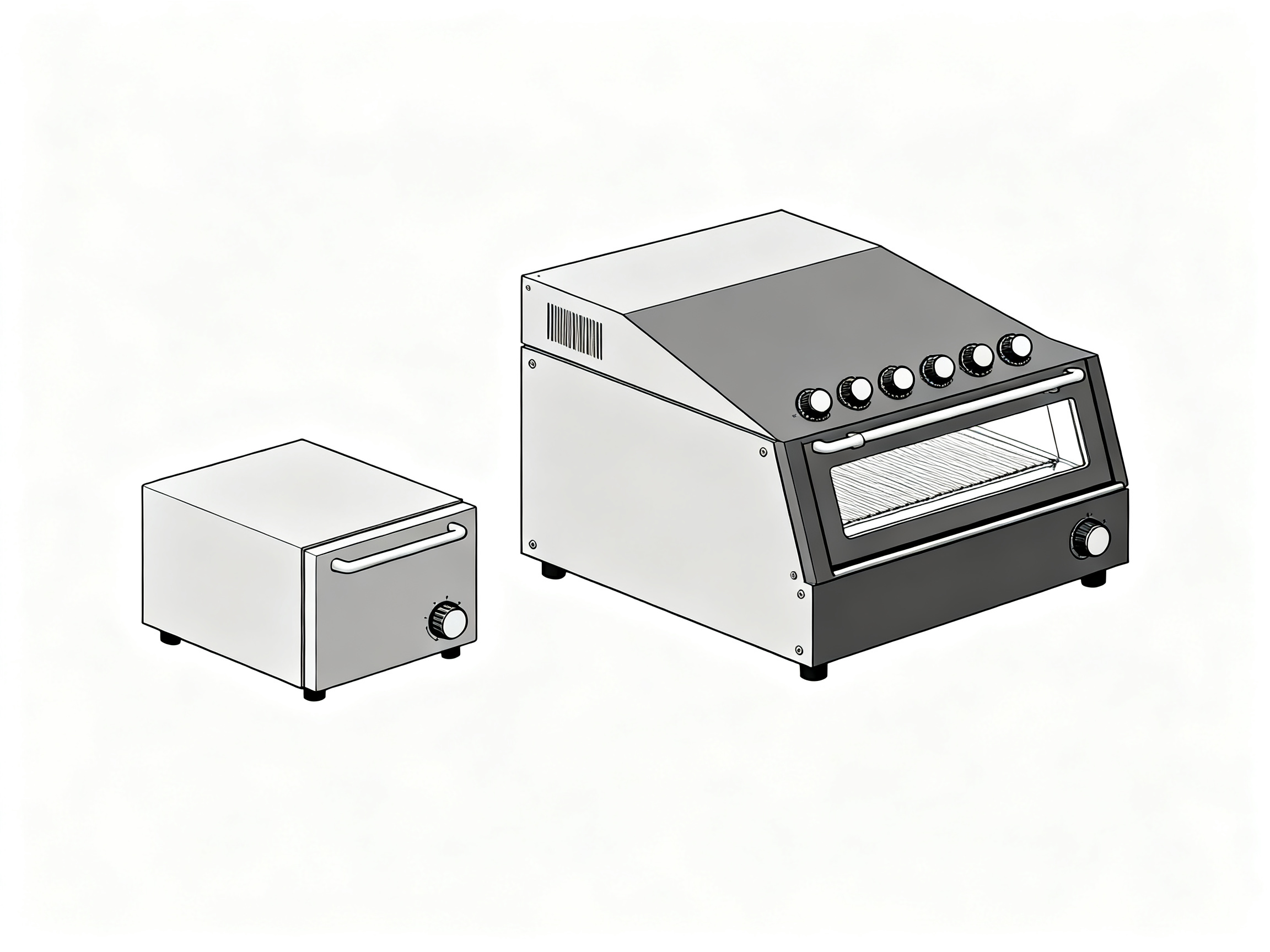
Best reflow oven categories at a glance
If you’re skimming, here’s the fast answer.
- Best reflow oven for hobbyist users: compact programmable countertop unit
- Best for prototype work: small reflow system with finer profile control
- Best for production: multi-zone inline oven from an established industrial maker
- Best reflow station alternative for tiny runs: hot plate plus hot air setup, but only for limited use
That last option can work in a pinch. But for real consistency, especially with fine-pitch parts, a proper oven usually wins.
What comes next in this guide
In the next sections, we’ll get into the actual hobbyist, prototype, and production picks, plus what features are worth paying for and which ones are just brochure filler. If you’re building a buying shortlist for a factory team, or just trying to find the best reflow oven for hobbyist use without wasting cash, keep going.
And if you’re planning for scale in 2026, it may be worth talking with a specialist like Sun and Mountain SMT about ovens and conveyor systems that can grow with your line, not fight against it.
High-efficiency SMT reflow ovens for production: What 2026 plants actually need
So, what really sets apart a high-efficiency reflow oven in 2026?
It’s all about how well the oven holds heat, handles big board counts, and bounces back from every hiccup. In production (especially when you’re running thousands of PCBs a week), the oven has to be dead reliable, or you end up with costly scrap, late shipments, and stressed-out operators.
Right now, leading production reflow oven machines focus on a few essentials:
| Strength | Why it matters in 2026 |
|—|—|
| Fast heat-up | Less time wasted on warm up, more boards per hour |
| Energy efficiency | Cuts utility bills and shrinks your factory footprint |
| Tight thermal control | Fewer defects, cleaner joints, less rework |
| Smarter sensors and automation | Profile gets auto-checked, saves time for your line leads |
| Durability and easy service | Less downtime, faster maintenance, happier teams |
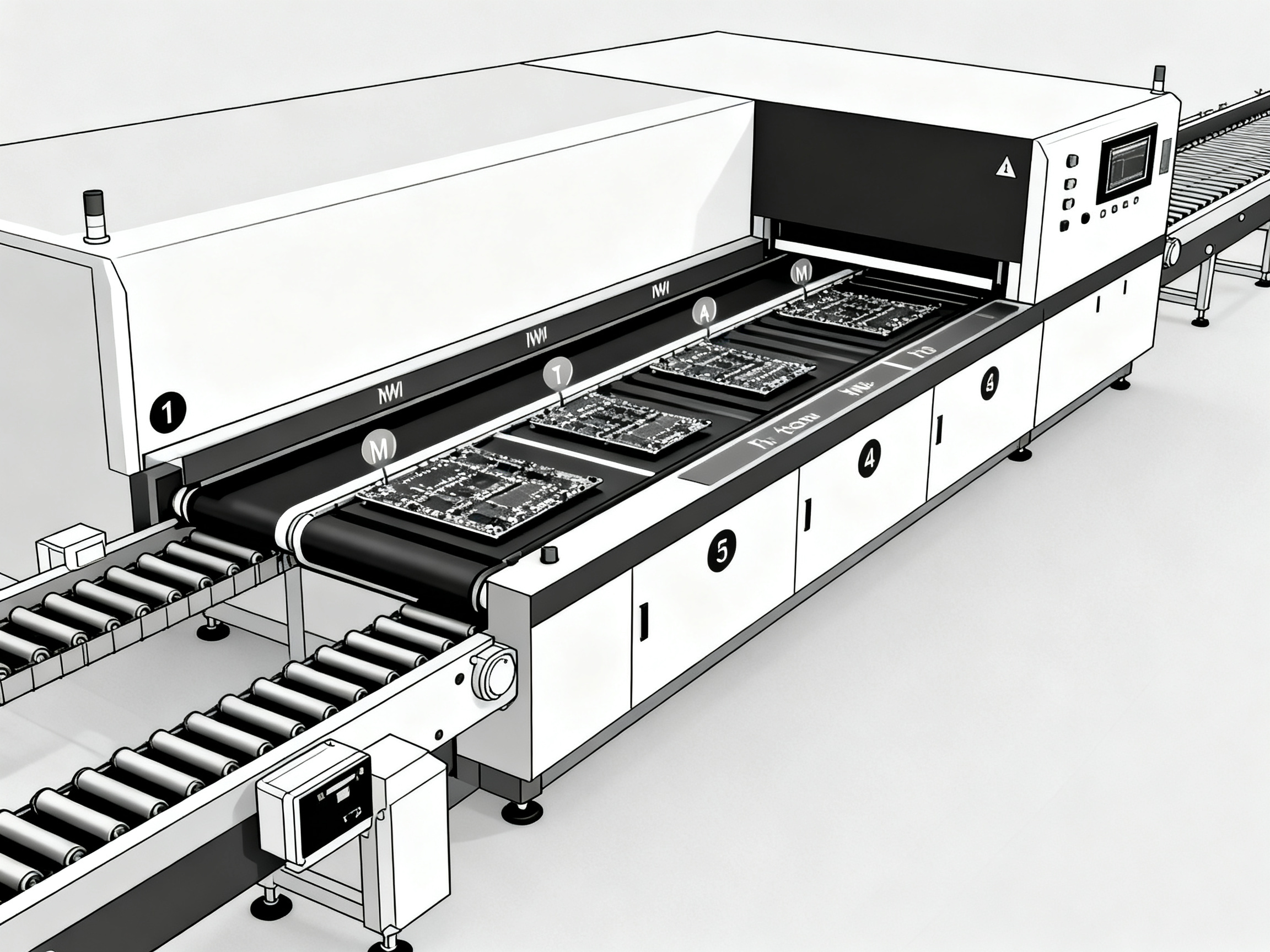
A proper high-volume PCB assembly oven doesn’t just run hot. It runs smart.
According to Altus Group’s coverage of Heller’s new tech, 2026 systems focus on advanced flux management, chamber stability, and features that really reduce the stop-start chaos that can plague older lines.
Plus, the move toward vacuum and nitrogen-ready reflow isn’t just a fancy checkbox. In places like auto electronics or high-reliability medical manufacturing, those upgrades keep your yields up and your headaches down.
Automation: Where production lines win big in 2026
Now for the magic word: integration.
If you’re buying equipment for a mid- to large-scale plant, the buzzword this year is ‘connected.’ That means production reflow oven machines have to fit smoothly with conveyors, loaders, and the rest of the digital factory setup. The best SMT partners (like Sun and Mountain SMT) are building conveyors, wave soldering lines, and PCB assembly ovens that play well with MES and traceability tools your quality lead actually checks.
Here’s where Sun and Mountain SMT’s approach really pays off. From what we’ve seen, their latest oven tech offers plug-and-play automation, recipe management you can adjust with a touchscreen, and real-time reporting so you spot problems before they become expensive reruns. Tired of walking the floor at 2AM because the oven threw a false alarm? This level of automation won’t just make your weekends happier; it cuts real labor costs.
And when it comes to maintenance, Sun and Mountain’s ovens are designed for quick access. That means your team spends less time elbows-deep in chamber panels and more time on actual output.
Reducing downtime and boosting throughput: The 2026 playbook
Downtime is the silent killer of production profit. In 2026, the best electronic manufacturing ovens give you fastest restarts, easier cleaning, and remote troubleshooting when your line hits a problem. We’re seeing more real-time sensor feedback, predictive alerts, and better self-diagnostics from all the top brands, not just the big four (Heller, BTU, Rehm, Kurtz Ersa).
Teams report that every minute saved restarting a line after a changeover or cleaning cycle is real money in their pocket. In tight labor markets, this matters even more.
Sun and Mountain SMT highlights uptime as a core selling point. Their high-throughput ovens use smart maintenance scheduling and online dashboards, so you know when to clean a zone and when to just keep running. Over a year, that adds up to dozens of saved hours, lower stress, and a big jump in production predictability.
If you’re fighting with an older batch oven, these new systems cut downtime in ways you only notice after a month of smoother shifts.
Here’s the real bottom line: Winning at PCB assembly means picking ovens that keep running, adapt fast to your product mix, and slide right into your plant’s future plans—not just the sales pitch.
If you want more details or a consult on automation options for your assembly line, reach out to the team at Sun and Mountain SMT. They know their stuff, and they’re happy to walk you through how smarter ovens (plus better conveyors and wave solder lines) actually move the needle on output and cost.
Choosing the right reflow oven is about more than specs on a page—it’s about stable output, fewer headaches, and a smoother week for you and your team. That’s what separates the best manufacturing teams from the rest in 2026.