
Published: 20 June 2026
Reading Time: 8 minutes
Reviewer:
You know that sinking feeling when a big production order is coming in, but your line setup still feels one machine short of calm? That is where a lot of teams start looking at electronics manufacturing services companies in 2026. Some need more capacity. Some need tighter quality control. Some just need a partner who can build fast, test well, and not make every schedule update feel like a small disaster.
EMS companies matter because they help brands and OEMs outsource the hard, detailed work of building electronics at scale. That can mean assembly, testing, repair, shipping, and sometimes even design support. A simple overview of electronics manufacturing services shows why this model keeps growing across medical, automotive, aerospace, and consumer electronics. It saves time, helps control costs, and gives internal teams more room to focus on product design, customer support, and growth.
But picking the right partner is not easy. A lot of SCT companies and electronics teams run into the same mess: too many electronic manufacturing companies on the shortlist, not enough clear comparison points, and real pressure to get quality, speed, and pricing right at the same time. And yes, every supplier says they do it all. Funny how that works.
This guide is here to make that choice simpler. We will walk through what electronic manufacturing service companies actually do, how to compare top electronics manufacturing services companies, what red flags to watch for, and how the right equipment setup, including scalable SMT systems from Sun and Mountain, can support a stronger EMS partnership from day one.
Jace Liu is an expert in the electronics manufacturing industry with over 15 years of experience advising EMS and SMT companies on selecting advanced manufacturing solutions. His insights have helped streamline production for businesses across global markets, helping teams improve precision, output, and line efficiency at scale.
What Are Electronics Manufacturing Services (EMS) Companies?
Here is the simple version. Electronics manufacturing services companies build electronic products or parts for other brands. That usually includes design support, sourcing parts, PCB assembly, testing, box build, repair, warehousing, and shipping. Some electronic manufacturing service companies do a little. Others handle almost the whole production chain.
And that range matters a lot.
If you are an OEM launching a new device, an electronics manufacturing service provider can help you move from prototype to mass production without building every process in-house. If you already run a busy factory, EMS providers can fill capacity gaps, add specialized electronic assembly services, or take over product lines that no longer make sense to keep internal.
In real life, this is why EMS companies sit right in the middle of the supply chain. They connect parts sourcing, line setup, quality checks, logistics, and delivery timing. When that goes well, your team gets breathing room. When it goes badly, everybody feels it by Friday afternoon.
A lot of top electronics manufacturing services companies in 2026 also support different production sizes, which is a big deal for brands with uneven demand. One month you might need a pilot run of 500 units. Three months later, you might need 50,000. The best electronics suppliers can often flex across both, as long as their process control, staffing, and equipment are built for that jump.
That is one reason advanced manufacturing solutions matter so much here. A partner can have smart people and good pricing, sure, but if their line depends on aging equipment or too much manual rework, scaling gets messy fast. We have seen teams get much better output once they pair a solid EMS plan with stable SMT hardware, especially when lines use precise reflow ovens, wave soldering systems, and PCB conveyors that can slot into existing workflows without causing chaos.
Expert Tip: Look for scalability early. A good EMS partner should handle today’s order size and next quarter’s growth without forcing a full production reset.
Core services many EMS providers offer
| Service area | What it usually includes | Why it matters |
| — | — | — |
| Design support | DFM feedback, prototype adjustments, documentation checks | Helps avoid production mistakes before volume ramps |
| Component sourcing | Supplier coordination, purchasing, inventory planning | Reduces delays and keeps parts flow steady |
| PCB assembly | SMT, THT, soldering, inspection | Covers the heart of electronics production |
| Testing | AOI, ICT, functional testing, burn-in | Catches faults before products ship |
| Box build and final assembly | Enclosures, cables, labeling, packaging | Turns assemblies into finished sellable products |
| Repair and after-sales support | Rework, failure analysis, returns handling | Lowers waste and helps long-term product support |
| Logistics | Warehousing, shipping, distribution support | Keeps delivery dates more predictable |
So, why do electronic manufacturing companies matter so much in 2026? Because speed, quality, and supply chain control are tied together more tightly than ever. Brands want faster launches. Buyers want fewer defects. Procurement teams want less risk. EMS companies sit in the middle of all three.
If you are comparing options right now, this is the first filter to use: do they just assemble boards, or can they truly support your business as demand changes? That answer tells you a lot, fast.
How to Evaluate Top Electronics Manufacturing Services Companies
This is where the shortlist usually gets messy. Two electronic manufacturing service companies can look nearly the same on paper, then feel completely different once you start asking about certifications, machine capability, lead times, and how they handle problems when a batch goes sideways.
Start with certifications. In 2026, a serious electronics manufacturing service provider should be able to explain its quality systems clearly, not hide them in a slide deck. ISO 9001 is the basic checkpoint most buyers expect. If you work in medical, automotive, or aerospace, you may also need sector-specific standards and traceability controls that fit your product and customer rules. No need to get dazzled by logos alone, though. If a supplier has the certificate but cannot explain how it affects inspection, documentation, and corrective action on your job, that is a warning sign.
Pro Insight: Put certifications in order of risk, not marketing value. If your product has strict compliance needs, ask how ISO systems show up on the factory floor, in records, and during problem solving.

I have seen teams get excited by a polished capability sheet, then slow down once they tour the line and notice bottlenecks around inspection and rework. That is why machine depth matters so much. Look at SMT placement accuracy, soldering stability, testing coverage, maintenance routines, and line changeover speed. Ask what happens when demand jumps fast. Ask who fixes downtime at 2 a.m. Ask how old the machines are. Boring questions, maybe. But they save real money.
And yes, equipment tells a story.
A partner using advanced manufacturing solutions usually has an easier time holding consistent output across long runs. That can mean better reflow control, steadier solder joints, cleaner board handling, and fewer manual touchpoints. We have seen this firsthand when EMS teams pair their process with durable SMT systems from Sun and Mountain. Precision reflow ovens, wave soldering machines, and PCB conveyor systems tend to make scaling less painful, especially for mid-to-large operations that cannot afford surprise stoppages.
Red Flags That Deserve a Hard Second Look
Some problems do not show up in the first sales call. They creep in later, usually right after you have already committed time, samples, and internal approval energy. Not fun.
One red flag is vague answers. If an EMS provider cannot give clear detail on yield rates, test methods, quality escapes, or escalation steps, pause there. Another is heavy reliance on manual work for tasks that should be stable and repeatable. Manual steps are not always bad, but too many of them can mean higher defect risk and slower scaling.
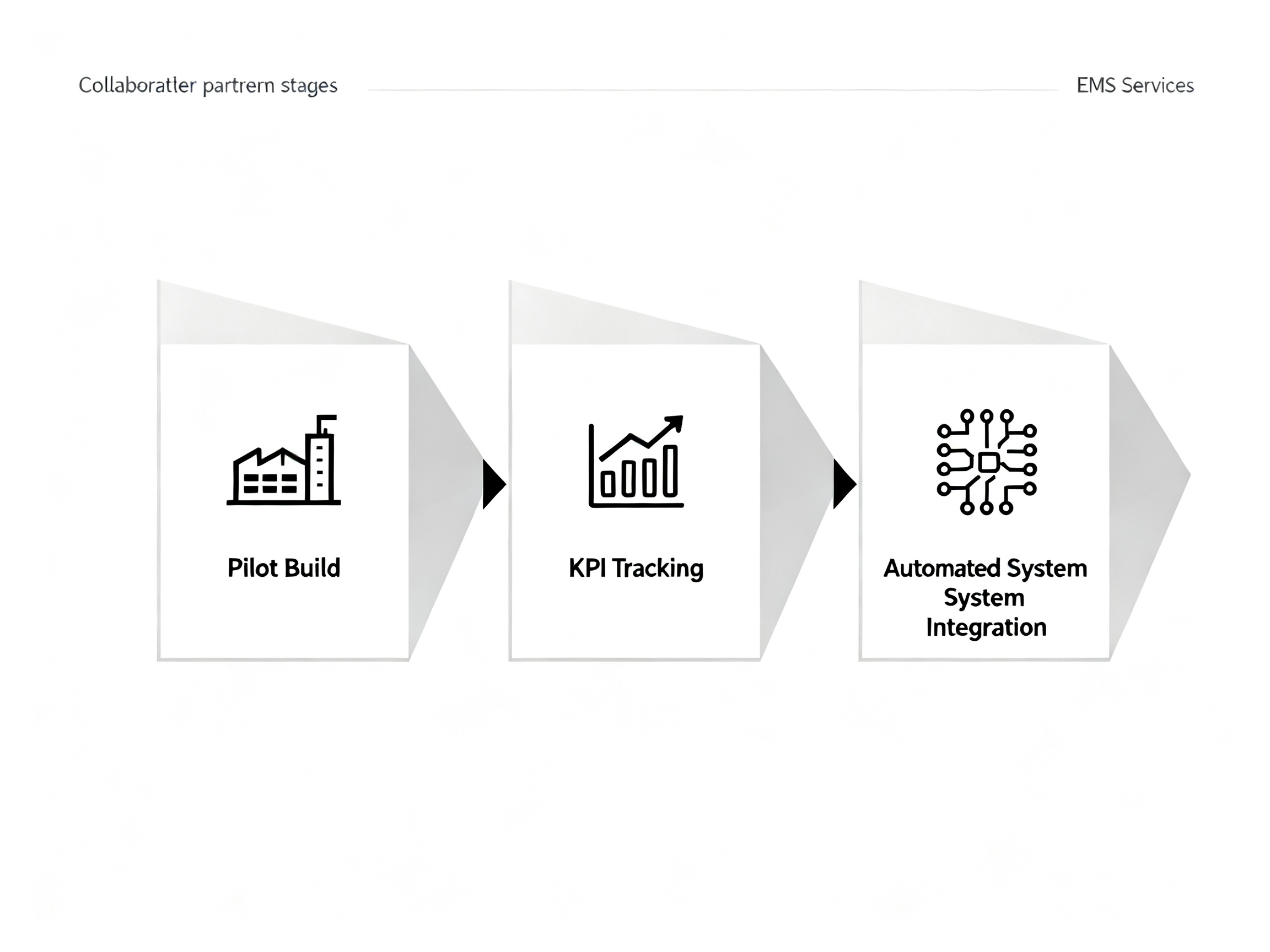
Watch for these warning signs:
- Quotes that look cheap but leave out tooling, test fixtures, shipping, or rework costs
- Long lead times with no backup plan for part shortages or machine downtime
- Old equipment with weak maintenance support
- Poor communication during the quoting stage, which usually gets worse later
- No clear account manager or engineering contact for day-to-day issues
Here is the deal: if the early process feels confusing, the live production phase probably will too. Trust your gut a little here. If getting simple answers already takes four emails and a late-night call, that pattern tends to stick.
Conclusion: Selecting the Best EMS Partner for Long-Term Success
The best EMS decision is rarely about finding the flashiest presentation or the lowest quote. It is about fit. Can the provider meet your quality needs, support your growth, communicate clearly, and run a stable line when pressure rises?
We have found that strong partnerships usually come from asking simple questions well. What standards do they follow? How modern is the equipment? Can they support your volume six months from now, not just this week? And can they prove it without tap dancing around the details?
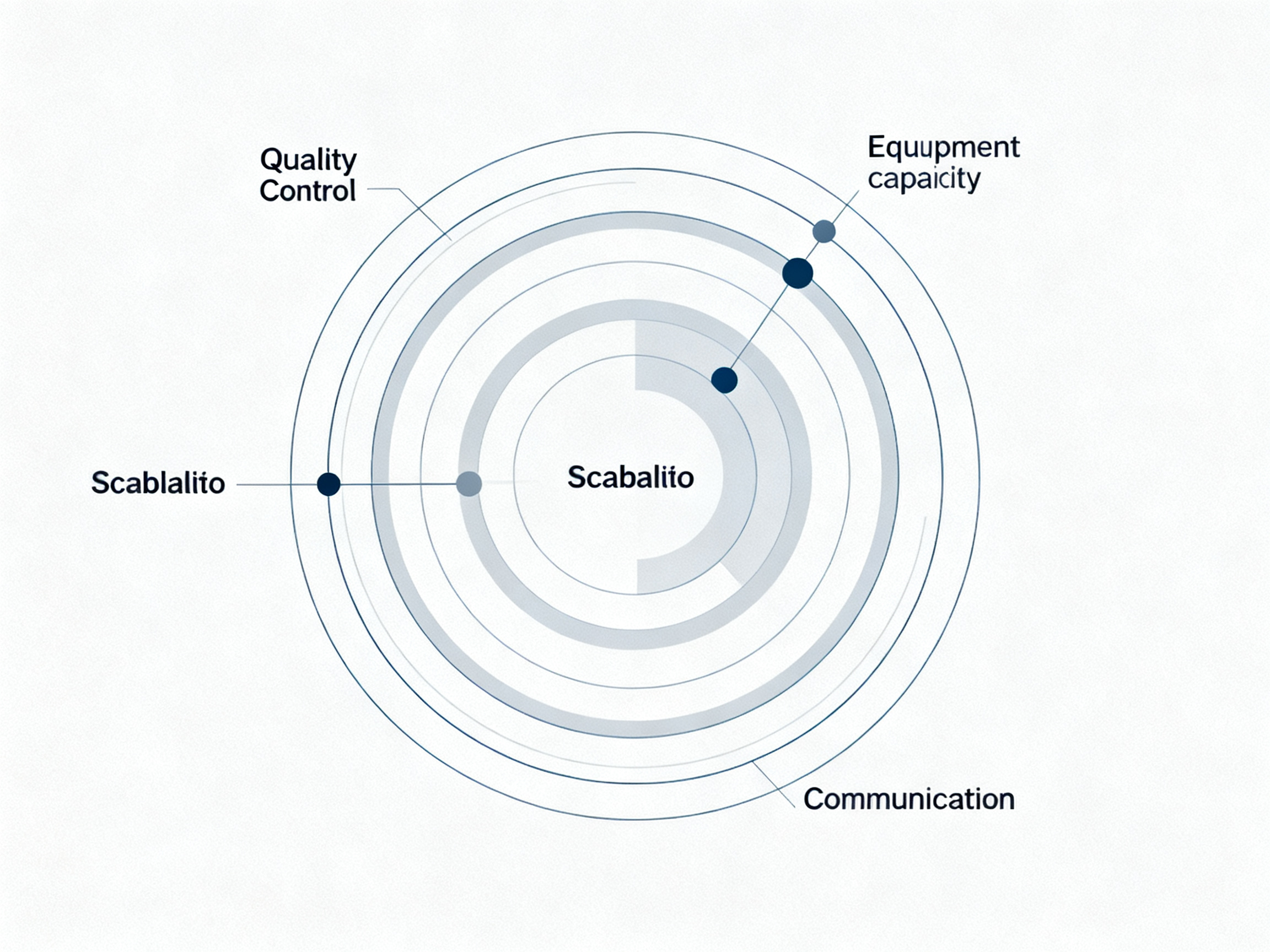
If you are building your shortlist now, focus on the providers that combine dependable process control, honest communication, and machine capability that matches your roadmap. That is usually where the real long-term value shows up. And if your team is reviewing SMT infrastructure at the same time, Sun and Mountain is worth a look for production lines that need precise, scalable support without unnecessary complexity.
If you want help comparing options, mapping line needs, or planning a better equipment setup around your next EMS partnership, this is a good time to start that conversation.
Choose the EMS partner that helps your team scale with confidence, protect quality under pressure, and build a production setup that still works when demand gets weird. That is the kind of decision that pays off long after the first shipment goes out.