
**Published:** 16 February 2026
**Reading Time:** 9 minutes
**Reviewer:** Simon Scrapes, Founder
# The Ultimate Guide to Skate Wheel Conveyor Components, Replacement Parts, and Customizations
You know that moment when a line slows down, boxes start stacking up, and everyone looks at the conveyor like it personally caused the problem? Yeah, that happens more than most teams admit. In 2026, a lot of plants still count on simple gravity systems because they are low-cost, easy to move, and usually very reliable. But simple does not mean basic. If you pick the wrong skate wheel conveyor rollers, worn rails, or poor-fit replacement parts, the whole flow can get messy fast.
This guide walks through the parts that matter, what wears out first, how custom changes can help, and where a conveyor skate wheel setup fits best. If you work in electronics, packaging, fulfillment, or light manufacturing, this will help you make smarter choices without getting buried in buzzwords. And if your line also uses PCB conveyors or other SMT equipment, the same idea applies: smooth movement saves time, cuts jams, and keeps output steady.
> *Jace Liu is a logistics equipment specialist with over 10 years of experience assisting manufacturers in improving production flow with advanced solutions such as skate wheel conveyor systems and related line equipment.*
## Why Skate Wheel Conveyors Still Matter in 2026
Skate wheel conveyors are still everywhere for one reason. They work. These systems use rows of small wheels that let cartons, totes, and other flat-bottom items move with gravity or light manual push. That makes them useful in operations where speed matters, but full motorized conveyor lines would cost too much or take up too much space.
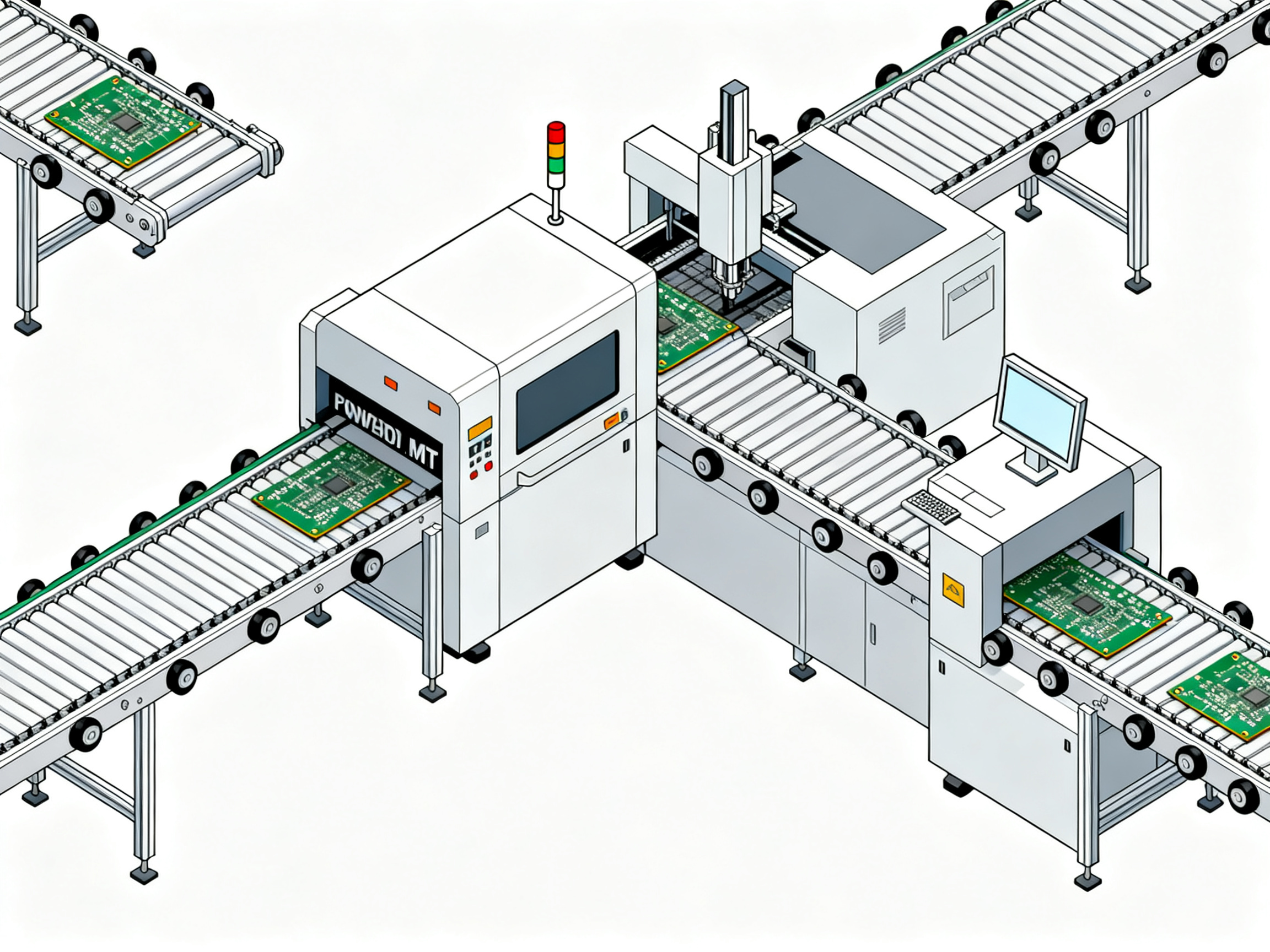

A wide range of industries still depend on them, including packaging, e-commerce fulfillment, postal sorting, pharmaceuticals, food processing, and manufacturing fields like automotive, electronics, and consumer goods, according to [industry market and application research](https://dataintelo.com/report/global-skate-wheel-conveyor-market). For electronics manufacturers in particular, this setup often helps with gentle product handling, flexible layouts, and lower power use. That’s a big win when fragile assemblies or packaged boards need careful movement.
And honestly, that flexibility is a huge deal. One week a team is moving light cartons to packing. The next week they are changing the lane layout to support a new product run. A rigid setup can be a pain. A skate wheel line usually adapts faster.
## Core Components of Skate Wheel Conveyors
If you want a system that lasts, start with the parts that carry the load every day. Here’s what actually makes up a typical skate wheel conveyor.
| Component | What it does | What to check |
| — | — | — |
| Skate wheel conveyor rollers | Help cartons and totes glide forward | Wear, cracks, flat spots, noisy rotation |
| Skate wheel conveyor rails | Hold the wheel axles and keep spacing aligned | Bends, rust, loose mounting points |
| Axles and hardware | Keep each conveyor skate wheel secured in place | Corrosion, looseness, thread damage |
| Frame | Supports the full conveyor section | Twisting, poor leveling, joint stress |
| Supports and legs | Set working height and angle | Stability, vibration, floor fit |

We have seen that the best-performing systems are not always the most expensive ones. They are usually the ones where the wheel material matches the product, the rail spacing matches the carton size, and the frame is level from the start. I have seen teams blame the wheels when the real problem was a bent support leg after a forklift bump.
Plastic conveyor skate wheels are common for lighter loads and clean environments. Steel or other heavy-duty wheel types often make more sense for rougher duty cycles or heavier cartons. The trick is not guessing. Look at load weight, product bottom shape, line speed, and how often the conveyor gets moved.
> **Expert Tip:** If wheel life matters most, match the material to the real load and environment. Plastic wheels usually work well for light cartons and clean areas, while tougher metal options tend to last longer in harsh, high-contact use.
## How Skate Wheel Conveyor Rollers Affect Flow
Not all skate wheel conveyor rollers behave the same way. Wheel diameter, spacing, material, and bearing quality all shape how smoothly products travel. A small mismatch can show up as drifting cartons, stuck corners, or uneven movement.

In electronics plants, that matters a lot. Delicate packaged components and finished assemblies do better when movement stays controlled instead of jerky. Research on gravity conveyor use in manufacturing points to gentle handling, layout flexibility, and low power needs as major benefits, especially for electronics operations handling fragile goods [gravity conveyor guidance for flow selection](https://mallardmfg.com/gravity-conveyor-101-roller-vs-skate-wheel-which-one-fits-your-flow/).
Here’s a quick rule of thumb:
– Use closely spaced wheels for smaller cartons
– Use wider spacing for larger, stable loads
– Choose smoother-bearing wheels when operators need light push force
– Check wheel material against heat, dust, and chemical exposure
Short version? The wheel is small, but its job is not.
## Customizing Your Skate Wheel Conveyor System
This is the part people skip, and honestly, they shouldn’t. A standard conveyor works fine. But a smart custom setup often works a lot better.
We have seen small changes make a big difference, like adjusting rail width for a new carton size, adding guide rails to stop drift, or changing support height so operators are not doing awkward reaches all day. I have watched a team cut product touchpoints after one simple angle change. It was not flashy. It just worked.
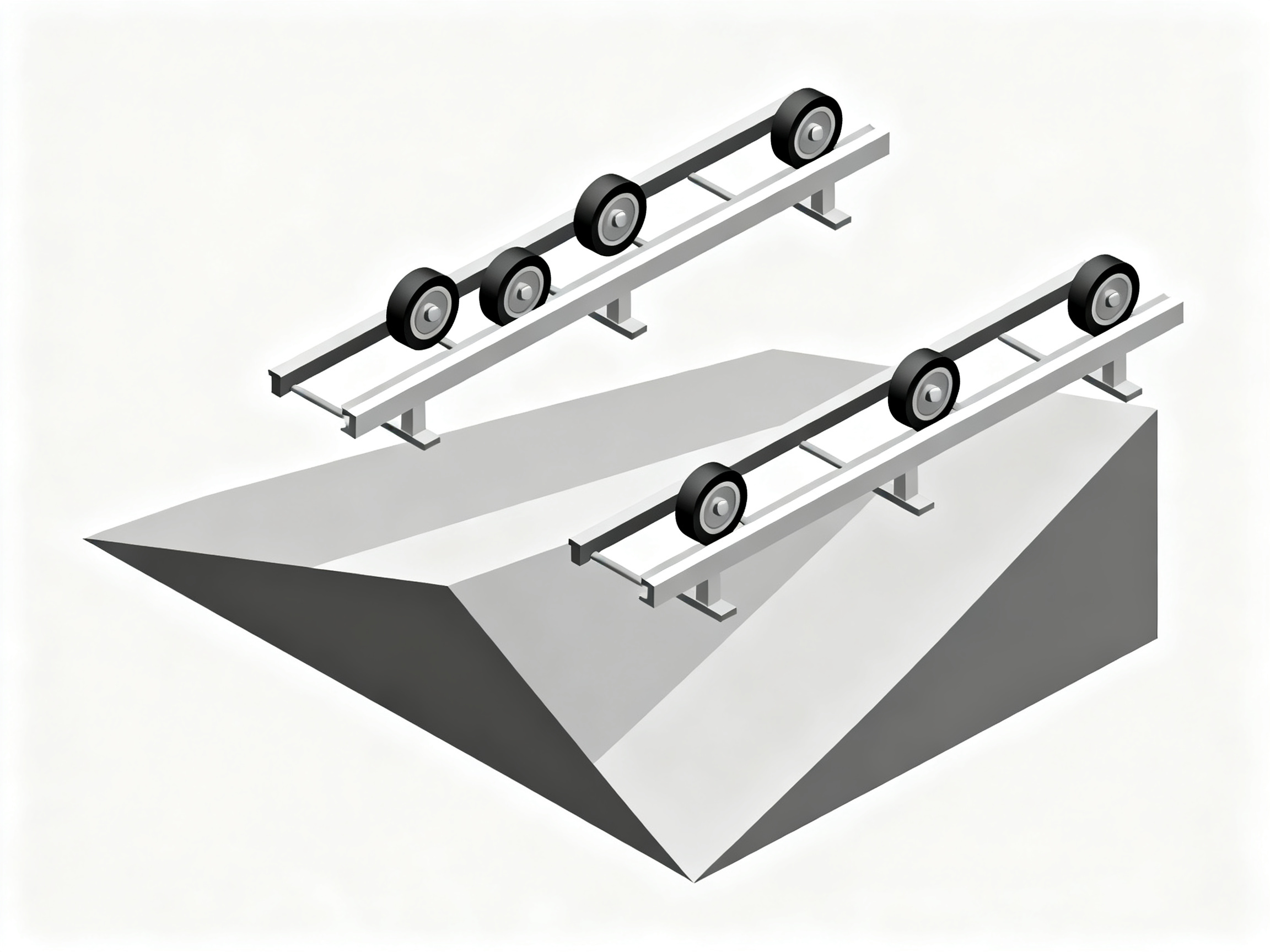

Popular customization options include:
– Adjustable widths for different product sizes
– Curved sections for tighter floor layouts
– Brake wheels or flow controls for safer descents
– Guard rails for unstable loads
– Height changes to match pack stations or machine exits
> **From Our Experience:** Minor custom changes, especially wheel spacing, side guides, and slope tuning, can lift throughput more than people expect. Sometimes the fix is a 20-minute adjustment, not a full equipment swap.
## Integration of Skate Wheel Conveyors in Automated Systems
A lot of teams ask the same thing: can a gravity conveyor still fit in a more automated plant? Absolutely.
Skate wheel sections often sit between powered equipment, workstations, or inspection points. In electronics and light manufacturing, they can act as low-cost buffer zones where operators stage items without needing another powered module. We have seen this work especially well beside PCB conveyor systems, where one area needs tight machine control and the next area just needs smooth, simple product transfer.
This mix is common in 2026 because plants want better output without replacing every part of the line at once. A powered system where precision matters, a gravity section where flexibility matters. Simple.
If you want to see the basic movement and use case in action, this short video gives a helpful visual look at skate wheel conveyor handling in practice: [Skate wheel conveyor video demo](https://www.youtube.com/watch?v=Sy82qcp8q98).