
Published: 21 June 2026
Reading Time: 15 minutes
Reviewer: Simon Scrapes, Founder
How to Start a Semiconductor Manufacturing Business: A Step-by-Step Guide to Success
You know that feeling when one tiny part holds up a whole product launch? That’s pretty much what semiconductors do for the modern economy. Phones, EVs, data centers, medical gear, factory robots, even smart home gadgets all lean on chips. So if you’re looking into how to start semiconductor manufacturing in India, or you’re wondering how to start a chip manufacturing company anywhere else, you’re looking at a field with huge demand, serious barriers, and real upside.
In 2026, that demand is still climbing. One major outlook says global semiconductor sales could reach $975 billion in 2026, with AI infrastructure leading a lot of that growth, alongside autos, telecom, and data centers according to Deloitte’s 2026 semiconductor outlook. That’s exciting. It’s also a little intimidating.
Because here’s the thing, a semiconductor manufacturing business is not a casual weekend startup. It takes money, planning, engineering talent, process control, and a very clear idea of where you’ll play. Full wafer fabrication is one path. Packaging, testing, or chip design is another. Actually, wait, that’s one of the first big lessons here: you do not need to build the biggest fab on day one to build a real business.
This guide walks through the smart path. We’ll cover the semiconductor manufacturing guide basics, the semiconductor manufacturing process steps, market realities, and how to build semiconductor company operations that can grow without falling apart at the first quality issue. If you’re serious about start semiconductor manufacturing plans in 2026, let’s figure it out together.
Jace Liu is a semiconductor industry expert with a decade of experience in manufacturing and technology consulting. With an extensive background in electronics production processes, Jace has guided several startups and large-scale businesses in the semiconductor field, helping them optimize their operations and scale efficiently.
Why Semiconductor Manufacturing Still Matters in 2026
Semiconductors don’t just support innovation, they quietly run it. AI servers need advanced chips. Electric vehicles need power semiconductors and control chips. Telecom networks need RF and logic devices. Consumer products still need steady chip supply too, even if the headlines love AI more.
That broad demand is why people keep asking what is semiconductor manufacturing company work really about. At the simplest level, it’s a business that helps turn chip ideas into physical products, whether through wafer fabrication, assembly, testing, packaging, or related production services. Some companies own fabs. Some are fabless and focus on design. Some sit in the middle and handle OSAT work. Different models, same high-stakes ecosystem.
For India, this topic feels even bigger in 2026. There’s growing interest in what are semiconductor manufacturing companies in India, not just from investors but from founders, engineers, and supply chain teams. India is building momentum through design talent, policy support, localization efforts, and partnerships tied to fabrication and OSAT growth. So yes, the opportunity is real. But no, it isn’t easy. Both can be true.
Analyzing the Market for Semiconductor Business
Before you price equipment or hunt for land, you need to know where your business fits. This is where a lot of founders get a bit dreamy. They say they want to build a semiconductor company, but they haven’t picked the layer of the market they want to serve.
Start with demand pockets. In 2026, AI infrastructure is a huge growth engine. But autos, industrial electronics, telecom, and local electronics manufacturing matter too. If you’re studying how to start semiconductor manufacturing in India, the better question might be: where is local demand underserved, and which part of the value chain can I enter without burning cash for five years before first revenue?
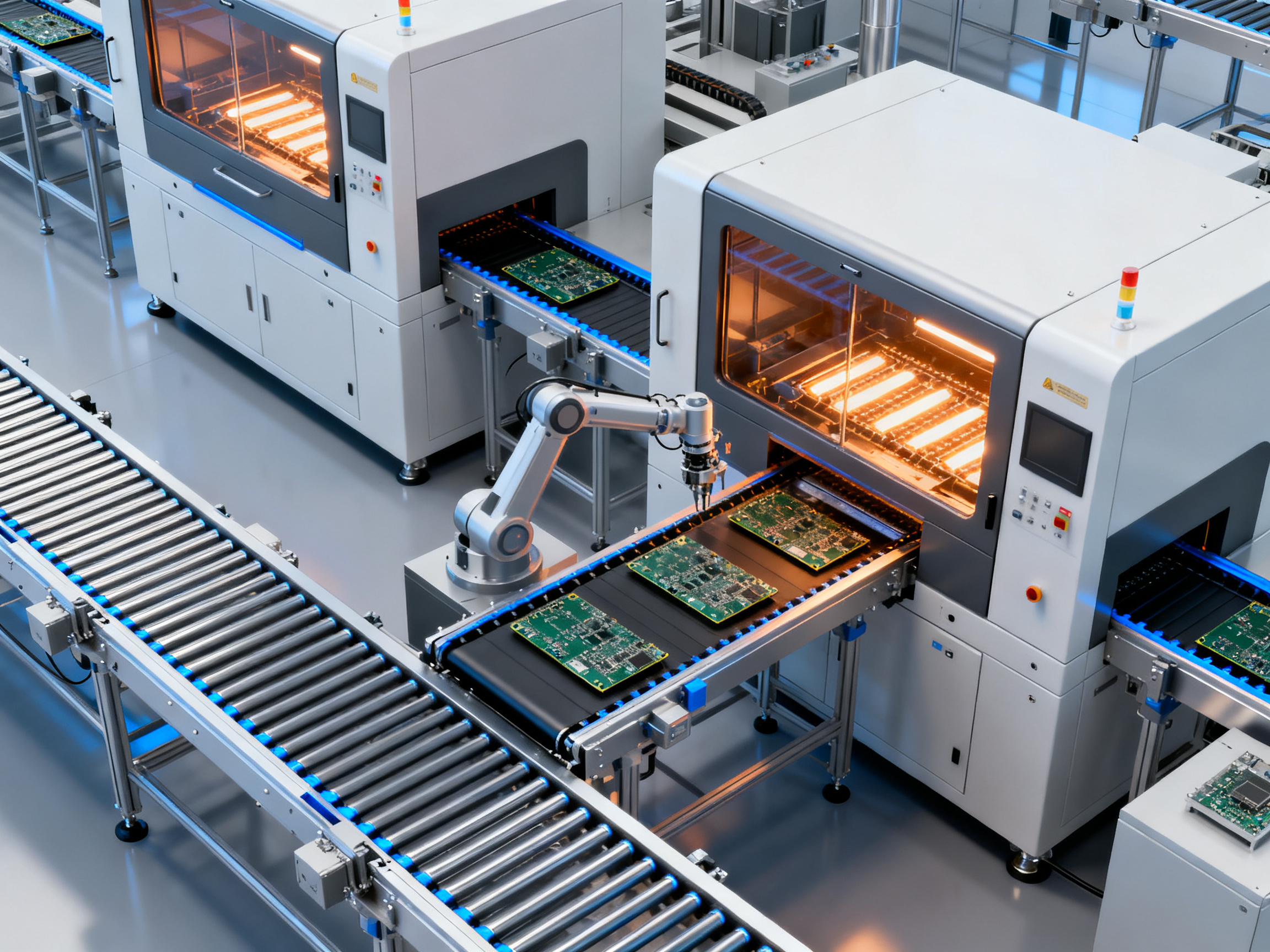
When we worked through early-stage planning for chip businesses, the biggest gains came from narrowing the target fast. We saw teams waste months chasing every possible vertical, and the strongest plans usually focused on one lane first, like power devices, packaging, test services, or fabless chip design for a known buyer segment.
Expert Tip: A niche wins faster than a broad promise. Look for a market where buyers have a clear pain point, like long lead times, costly imports, or poor local support, then build around that gap.
…
Challenges and Opportunities in a Competitive Industry
Let’s not sugarcoat it. Semiconductor businesses are hard to build.
The barriers are real: capital costs, cleanroom requirements, strict yields, hiring pressure, long qualification cycles, vendor dependency, and customer trust. One quality slip can wreck a quarter. A delayed machine install can throw off the whole production ramp. And if you’re exploring semiconductor manufacturing plant cost in India, you’re probably already seeing numbers that make normal factory budgets look tiny.
But the upside is just as real. Countries want more resilient chip supply chains. OEMs want dependable regional partners. Electronics makers want faster turnaround, better quality control, and less reliance on one geography. That’s where a focused semiconductor manufacturing business can stand out.

…
Final Thoughts on Getting Started
So, how do you start semiconductor manufacturing without getting crushed by the scale of it all?
You start smaller than your ego wants. You pick a niche. You learn the process. You build a plan around real buyers, real costs, and real constraints. Then you set up systems that can grow when demand shows up, instead of guessing your way into a giant overhead problem.
…