
> **Published:** 30 June 2026
> **Reading Time:** 10 minutes
> **Reviewer:** Simon Scrapes, Founder
You know that tiny moment when a device powers on and everything just works? A lot of that comes down to soldering. It may look simple from the outside, a bit of metal, some heat, done, but in electronics manufacturing, PCB soldering is one of the steps that can make or break the whole product.
If you’re building boards for consumer gadgets, medical devices, or industrial controls, the quality of each joint matters. Good soldering creates a clean electrical path and a strong mechanical bond. Bad soldering leads to cold joints, weak connections, rework, scrap, and the kind of production headaches nobody wants at 4:45 on a Friday.
In 2026, that pressure is even higher. Boards are smaller, parts are tighter, and customers still expect fast delivery and rock-solid quality. That’s why understanding PCB soldering techniques, the role of flux in electronics soldering, and what is reflow soldering process in electronics manufacturing is not just useful, it’s part of running a smarter line.
*Jace Liu is an electronics manufacturing expert with over a decade of experience in Surface Mount Technology, SMT, solutions. As a consultant for major EMS and OEM businesses, Jace focuses on improving soldering processes and building modern production workflows that raise accuracy, output, and day-to-day efficiency.*
## Why PCB Soldering Matters So Much
At its core, soldering joins metal surfaces by melting a filler metal called solder. In electronics, that means connecting components to a printed circuit board so signals and power can move where they need to go. It sounds basic. But the job has to be repeatable, clean, and stable over time.

A strong solder joint does two things at once:
– It creates electrical continuity
– It holds the component in place during real-world use
That second part gets overlooked a lot. Vibration, heat cycling, shipping stress, and long product life all put pressure on a board. If the solder joint is poor, the whole assembly can fail early, even when the design itself is solid.
According to this overview of [PCB soldering techniques in electronics manufacturing](https://rootsems.com/types-of-pcb-soldering-techniques-in-electronics-manufacturing/), high-volume production depends heavily on controlled methods like reflow soldering for SMT parts and wave soldering for through-hole assembly. That lines up with what most factories already know from experience, manual work can help with repair or low-volume builds, but scalable output usually needs process control and automation.
## Where SMT Fits Into Soldering Precision
This is where Surface Mount Technology really changes the game, yes, that old phrase still fits here. SMT lets manufacturers place very small components directly onto the board surface, which supports faster assembly and much higher part density.

But here’s the catch. Smaller parts leave less room for error.
Pads are tighter. Spacing is tighter. Thermal control matters more. And the wrong profile, wrong solder paste, or wrong tool setup can create bridges, tombstoning, voids, or weak joints before the board even reaches testing.
That is why SMT equipment matters so much in modern production. Precision reflow ovens, wave soldering systems, and conveyor handling setups help reduce variation from board to board. We have seen that when a line moves from older, inconsistent hardware to a more stable SMT setup, operators spend less time chasing defects and more time hitting output goals. In busy EMS environments, that shift is a very big deal.
For companies that need scale, Sun and Mountain SMT fits naturally into this conversation. Its precision reflow ovens, wave soldering machines, and PCB conveyor systems are built for EMS and OEM teams that want better throughput, lower downtime, and cleaner integration with existing production lines. That’s not flashy marketing talk. It’s the stuff production managers ask about every week.
## Expert Practices Make the Difference
Look, tools matter. But expert habits matter too.
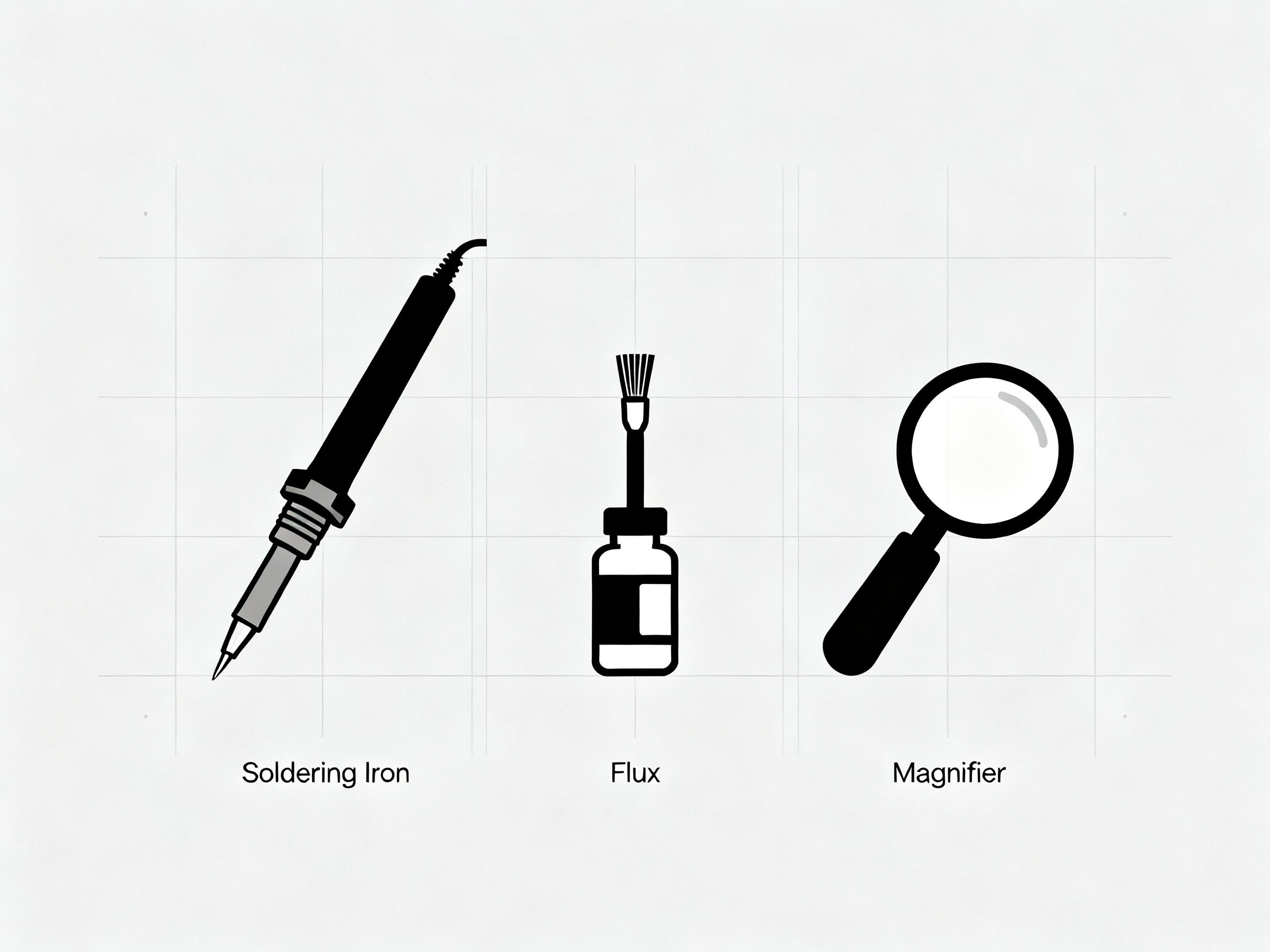

The best soldering teams usually work from a simple idea: consistency beats heroics. Instead of fixing defects after the fact, they try to control the process early. That means choosing the right solder alloy, understanding what solder is used in electronics, matching flux to the board and components, and setting thermal profiles that fit the actual build.
It also means knowing where hand work still belongs. The uses of soldering iron in electronics are still real, even in automated factories. A soldering iron helps with rework, prototype adjustments, touch-up, connector installation, and repair tasks that machines cannot always handle neatly. So if you’re wondering how to choose the best soldering iron for PCB work, the answer depends on tip control, temperature stability, ergonomics, and how often your team will use it.
And yes, the best soldering station for beginners and pros is not always the most expensive one. It is the one that holds temperature well, has easy tip changes, and fits the kind of board work you actually do.
## Choosing the Right Solder for PCB Assembly
Now we get to a question that sounds simple, but trips up a lot of teams fast: what solder is used in electronics, and which type actually fits your boards? The answer depends on the product, the line, the compliance rules, and how much thermal stress the assembly can handle.
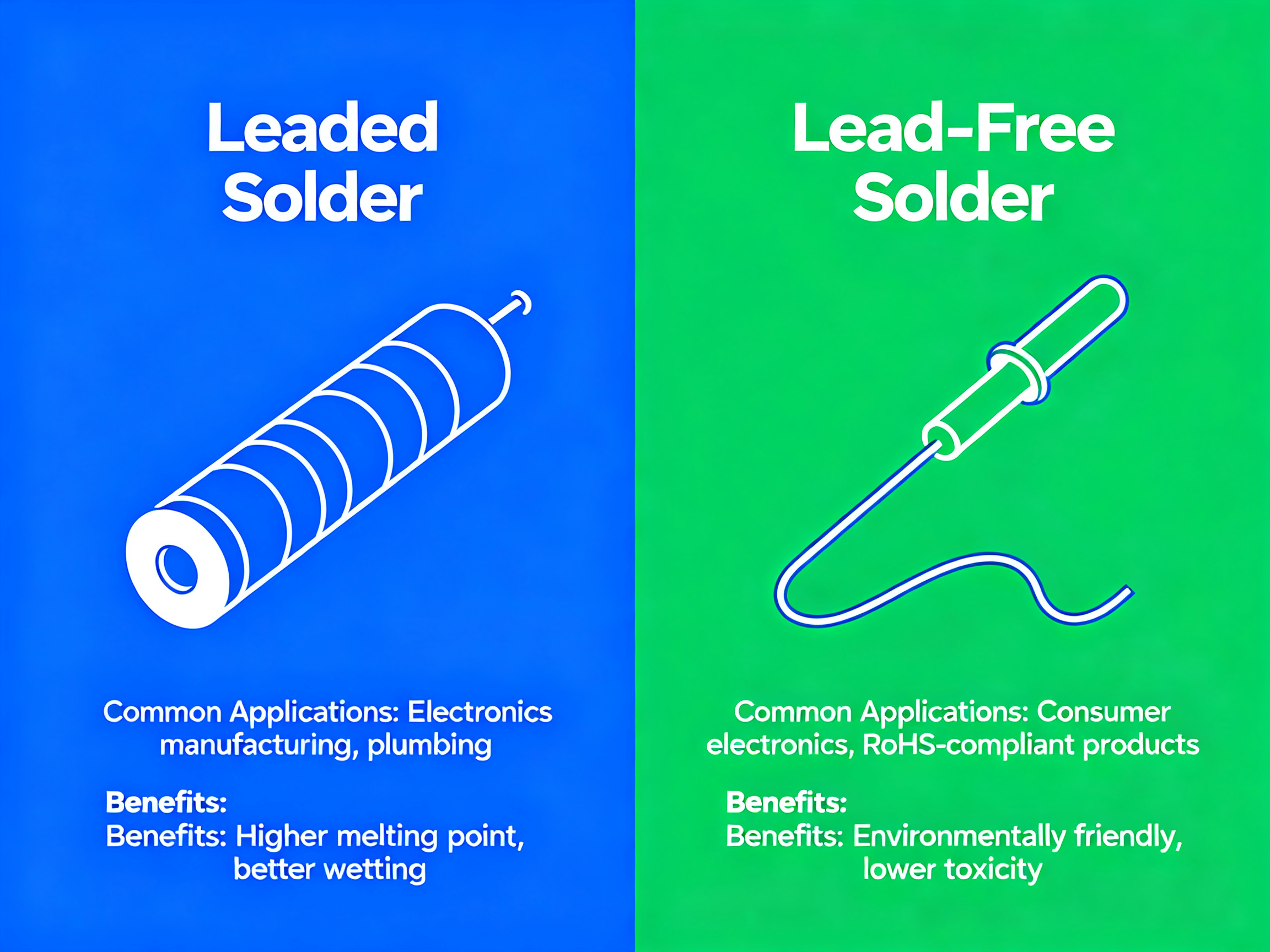

Most electronics manufacturers in 2026 choose between two broad solder families, tin-lead and lead-free. Both can make strong joints. But they behave differently on the line, and that difference shows up in yield, rework time, and long-term reliability.
Tin-lead solder still gets respect for a reason. It melts at a lower temperature, wets nicely, and tends to be forgiving during hand assembly and touch-up. If you’re doing repair work, prototype debugging, or supporting older assemblies, it can feel easier to control. Smoother, honestly.
But there is a catch, and it is a big one. Many OEM and EMS teams cannot use it for mainstream production because of environmental and customer compliance rules. So even if it feels nicer on the iron, it may not fit the job you actually have.
Lead-free solder is now the default choice for many production teams. It supports current compliance expectations in 2026, and it fits automated PCB soldering techniques used across SMT lines. But it needs tighter temperature control, especially during reflow and rework. That means your paste choice, oven profile, and operator habits all matter more.
By combining these key soldering practices, reliable equipment, and consistent process control, your production lines can meet the demand of minimization and scaling in 2026, while avoiding costly defects and inefficiencies.