
Published: 09 April 2026
Reading Time: 8 minutes
Reviewer: Dr. Yan Mei, Ph.D. in Automation & Control Engineering, Expert in Manufacturing Technology
Control Systems: Fundamentals, Types, Applications, and Future Trends
Have you ever wondered how massive factories, electronics assembly lines, and even smart buildings manage to work so smoothly? Behind the scenes, control systems make it all happen—they’re like the invisible managers running the show. These systems command, regulate, and optimize processes, ensuring everything works exactly the way it should.
Today, control systems are becoming even more important across industries. Why? Because businesses everywhere are leaning on automation to save time, lower costs, and keep operations running efficiently. Whether it’s an electronics manufacturer or a large-scale smart building, control systems are the backbone of their success.
And it’s not just about efficiency. Control systems are the brains of modern manufacturing, advancing with AI-driven automation, interoperability, and edge computing. These systems help integrate everything seamlessly and handle tasks that humans struggle to manage manually. Over the next sections, we’ll dig into the basics, the differences between system types, how control systems are applied in technology, and what’s next in 2026.
Jace Liu is an experienced automation engineer specializing in the design and integration of advanced control systems for electronics manufacturing processes. With over 10 years of experience working with Surface Mount Technology (SMT) tools, Jace brings deep technical insights into scalable and precision-driven manufacturing solutions.
Open-Loop vs. Closed-Loop Control Systems
Open-Loop Control Systems: Simple and Straightforward
An open-loop control system works without feedback. Think of it like using a microwave to heat your food. You set the timer and power, then let it run. It doesn’t check if your food is actually getting warm while it’s running. These systems are simple and inexpensive, making them perfect for applications where precision isn’t critical.
A great example is an irrigation timer for garden sprinklers. The timer releases water for a set period, regardless of soil conditions or weather. While this approach works well for predictable tasks, it’s not ideal for processes that require adjustments based on real-time conditions.
Closed-Loop Control Systems: Feedback is Key
Now, closed-loop systems are a step up in complexity because they use feedback to refine operations. These systems measure current conditions, compare them to the desired outcome, and make adjustments to stay on track.
Take a home thermostat as an example. The thermostat monitors the room temperature and adjusts heating or cooling to maintain your set temperature. This feedback loop ensures consistent and accurate performance. Closed-loop systems excel in scenarios where accuracy, adaptability, and efficiency are essential.
Pro Insight: Wondering which system to choose? Open-loop systems shine in straightforward tasks like timing or switching, while closed-loop systems are best for environments needing precision, like electronics assembly or climate control.
Hybrid Models: The Best of Both Worlds
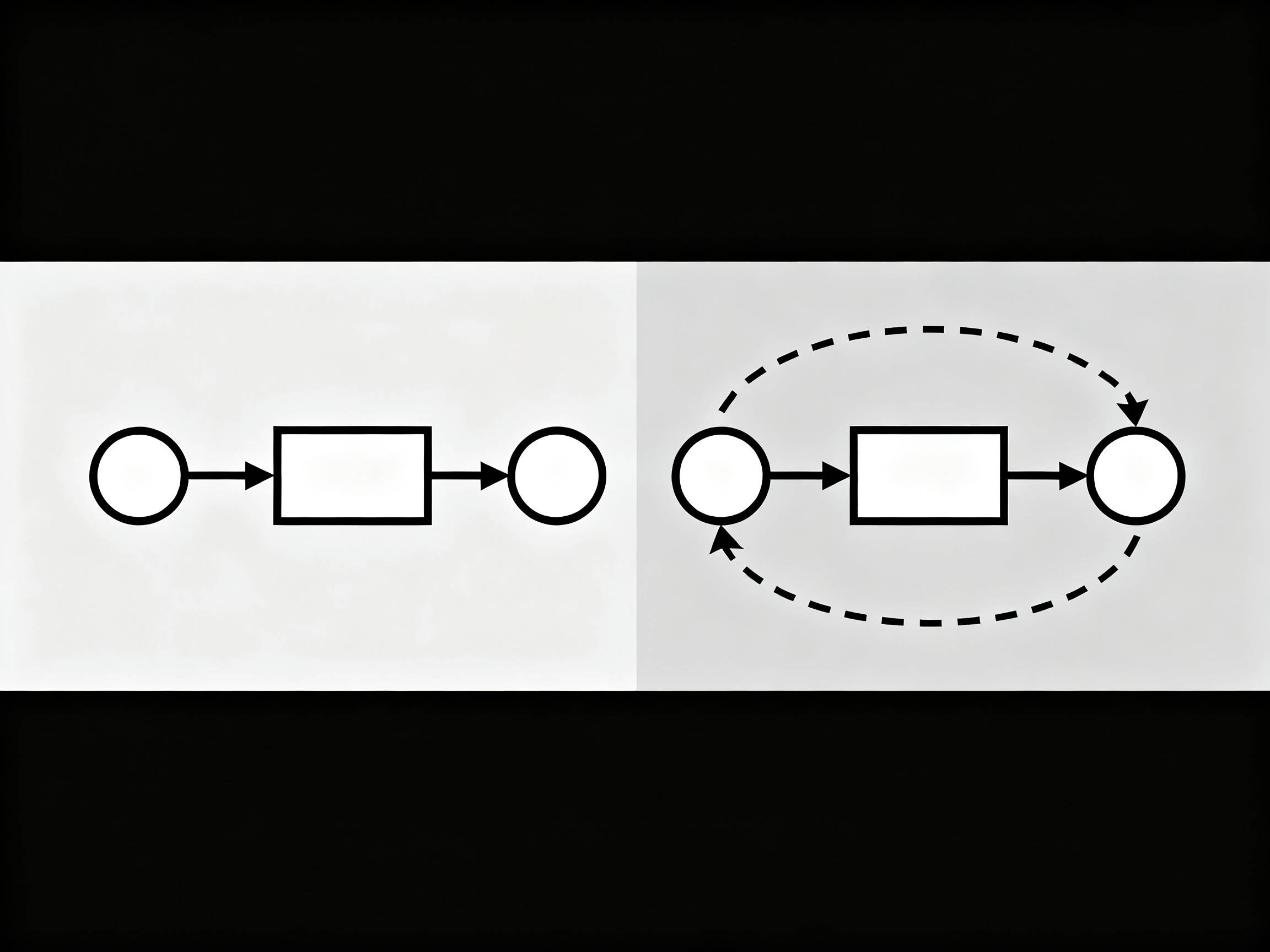
Some setups combine open and closed-loop principles to optimize performance and cost. These hybrid systems are common in industrial automation, blending simplicity with adaptive capabilities. For example, manufacturing lines may use open-loop technology for certain repetitive steps and a closed-loop system to monitor outcomes for quality assurance.
Hybrid models are ideal for large-scale operations, especially when budget constraints make it crucial to balance efficiency and precision. By leveraging both systems, manufacturers can achieve scalable solutions while maintaining accuracy where it matters most.
Stay tuned as we dive deeper into how these systems are applied across industries and why they’re essential in 2026.
Applications of Control Systems in Technology
Control systems have transformed how industries operate, and their applications in 2026 go far beyond the basics. From robotics to aerospace, these systems help unlock new possibilities, especially in electronics manufacturing with Surface Mount Technology (SMT).
SMT in Electronics Manufacturing: Where Precision Matters
Imagine you’re assembling microchips onto circuit boards. SMT tools handle this task with pinpoint precision. Machines like PCB conveyors, wave soldering equipment, and precision reflow ovens automate the placement and soldering of components without manual guesswork or intervention. These control systems follow programmed commands to ensure every piece is in the right spot, operating smoothly alongside real-time feedback mechanisms to avoid errors.
For example, say you’re calibrating your SMT equipment. A closed-loop system might adjust the soldering temperature if sensors detect fluctuations. This adaptive precision keeps the manufacturing line efficient, reduces defects, and minimizes downtime. Companies like Sun and Mountain SMT design equipment that caters to industries needing flawless assembly processes with tight deadlines.

Robotics and Automotive: Smart Optimization for Complex Tasks
Control systems also play a huge role in robotics and automotive industries. Robots deployed in factories rely on sensors to interact with their environments. These closed-loop systems help robots perform intricate tasks like assembly and welding, precisely handling fragile components.
Now think cars. Automotive control systems regulate everything from engine temperatures to autonomous driving features. A hybrid control model might combine open-loop signals for standard functions like locking doors with closed-loop systems for smart braking technologies. This integration enhances safety and efficiency, ensuring cars adapt to real-time road conditions seamlessly.
Aerospace: Flying on Feedback
Ever wondered how aircraft stay stable during turbulence? Closed-loop control systems keep them steady by continuously adjusting flight controls based on weather and altitude. These feedback mechanisms help pilots maintain course accuracy (even when conditions change mid-flight).
Plus, aerospace engineering uses these systems for spacecraft operations too. Programs designed with open-loop strategies coordinate repetitive actions, while closed-loop systems fine-tune navigation, ensuring spacecraft stability in the vast vacuum of space.
Expert Tip: To optimize scalability in electronics manufacturing, remember that tools with adaptive control systems reduce downtime and improve efficiency. Look for equipment designed to integrate real-time feedback seamlessly into workflows.
The Software Connection: Streamlining Control Systems
Control systems rely heavily on software to function. Platforms enable users to program setups, monitor efficiency, and adjust parameters remotely. Say you’re managing an electronics assembly line. Software lets you oversee operations without walking along the production floor, saving time and ensuring consistency.
And cloud-based control system software is trending. With edge computing, industries can process data onsite, speeding up decision-making while maintaining security for sensitive information. It’s a win-win for advancing automation technology.
Control systems are the backbone of efficiency in these industries. Next up, we’ll explore emerging trends you’ll need to know in 2026.
Challenges in Maintaining and Scaling Control Systems
As industries become more dependent on automation, control systems face unique challenges that can impact their effectiveness and scalability. Identifying common pitfalls and offering solutions helps businesses maintain optimal performance while adapting to changing demands.
Maintenance and Calibration Issues
One of the biggest hurdles with control systems is keeping them properly maintained. Many machines rely on sensitive sensors and actuators, which need regular calibration. Without upkeep, systems can produce inaccuracies that lead to wasted time, faulty products, or even downtime on production lines. For example, Surface Mount Technology (SMT) tools like reflow ovens require precise temperature control to avoid solder defects.
What can you do? Set up a regular maintenance schedule and invest in equipment that offers automated self-calibration features. These solutions not only save time but also reduce the risk of human error during routine tuning. Companies like Sun and Mountain SMT offer advanced monitoring tools that can alert teams before issues arise.
Cost Barriers and Retrofitting Systems
Another challenge is cost. Modern control systems aren’t cheap, so switching out legacy equipment or incorporating new technology often feels like a steep investment. Small- and medium-sized businesses can find it especially hard to afford state-of-the-art automation.
One way to cut costs is through retrofitting. Instead of buying an entirely new system, add modular upgrades or enhancements to existing setups. These hybrid solutions work well for manufacturers wanting incremental improvements without the big upfront expense. Plus, leasing options or refurbished equipment can be a smart way to contain costs.
Strategies to Overcome Challenges
To navigate these obstacles, here are a few actionable steps to consider:
- Implement predictive maintenance: Use AI-powered monitoring to forecast when equipment needs servicing. Predictive tools give businesses a heads-up on potential failures, minimizing surprise disruptions.
- Explore financing options: Leasing or subscription models can make high-end control systems accessible without sinking capital all at once.
- Focus on training: Equip your team with the knowledge to troubleshoot and maintain systems efficiently. A well-trained workforce saves time and prevents costly mistakes.
The Importance of Continuous Improvement
Industries relying on automation need forward-thinking strategies to maximize their control systems. Challenges like maintenance and upgrading won’t disappear, but addressing them early helps companies stay competitive while scaling operations effectively.
From Our Experience: Innovations like adaptive feedback loops and modular designs are revolutionizing control systems, enabling businesses to balance precision and scalability even under tight budget constraints.
Stay tuned as we explore what’s next for control systems in 2026, including emerging technologies and trends shaping their future.