
Published: 09 April 2026
Reading Time: 12 minutes
Reviewer: Simon Scrapes, Founder
Conveyor Systems Market: 2026 Industry Insights, Key Players, Types & Future Trends
Imagine your business operations running smoother, faster, and more efficiently, all thanks to the backbone of modern manufacturing: conveyor systems. Whether you’re working in electronics manufacturing or managing large-scale logistics, conveyor systems are essential for keeping everything moving (literally).
Let’s dive into what makes the global conveyor systems market tick and why it’s forecasted for major growth in 2026.
Jace Liu is an industry expert in manufacturing technologies with over 15 years of experience specializing in automation and high-precision assembly equipment. At Sun and Mountain SMT, Jace has led research into advanced conveyor system integration for electronics manufacturing. He is devoted to helping manufacturers achieve operational excellence through technology.
Market Overview: Global Conveyor Systems in 2026
Conveyor systems aren’t just metal machines that move products. They are the lifeblood of efficient factories, distribution centers, and warehouses worldwide. In 2026, we’re looking at a global conveyor systems market valued between USD 7.3 billion and USD 13.1 billion, with projections pointing to steady growth through 2036, according to Future Market Insights. Asia-Pacific leads the charge, grabbing nearly 38% of the market, thanks to massive manufacturing hubs like China and India. Meanwhile, North America and Europe are holding their own with growth fuelled by e-commerce giants and streamlined factory automation.
But what’s driving this surge? Several trends play a huge role:
- Massive automation expansions: As factories embrace Industry 4.0, conveyor systems are becoming brainier (and busier).
- Regulatory focus on safety: Workplace safety standards are demanding error-proof equipment with enhanced safeguards.
- Sustainability pushes: ESG initiatives are forcing manufacturers to opt for eco-friendly systems.
Expert Tip: Regional trends are shaping innovations in conveyor systems. While Asia fine-tunes high-capacity systems, North America is investing heavily in IoT-driven analytics for real-time gains.

Stay tuned — we’ll get into the different types of conveyor systems next. Spoiler: Each one has unique quirks and advantages perfect for specific industries!
Types of Industrial Conveyor Systems: Features and Applications
Different manufacturing setups need different conveyor systems. It’s not one-size-fits-all. In fact, choosing the right conveyor type could make or break your workflow efficiency, especially for industries with highly specific needs like electronics or automotive production.
Here’s a rundown of popular conveyor system types and what they’re great at:
1. Belt Conveyor Systems
These are the flexibly versatile champs of conveyor systems. They’re perfect for standard product movement in warehouses, food processing plants, and production lines. With adjustable speeds and endless configurations, they’re a go-to for everything from fragile glass items to heavy-duty steel.
2. Roller Conveyor Systems
Need something modular and perfect for moving boxes or pallets? Roller conveyors are your answer. They are widely used in assembly lines, especially for packaging. Plus, they work well for handling items of different sizes and weights.
3. PCB Conveyor Systems
These specialized conveyors are tailored for the electronics manufacturing industry. They come with features like ESD-safe belts and precise width adjustments. Plus, many now leverage AI integrations that boost precision by up to 15%, making them a must-have for SMT setups.
4. Chain Conveyor Systems
Heavy machinery and automotive parts often demand conveyor systems that can handle the big stuff. That’s where chain conveyors shine. They’re robust and resistant to wear and tear, even when tasked with moving heavy loads over long distances.
5. Curved Conveyor Systems
Sometimes space is tight but the workflow needs unbroken continuity. Enter curved conveyors, the perfect solution for odd-shaped facilities. They enable seamless transitions and don’t require complex redesigns to make them fit.
Expert Tip: When picking a conveyor type, don’t just think about convenience. Consider factors like load capacity, material type, and even your electricity costs. The right choice could save you big bucks in the long run!
When selecting conveyor systems, a tailored approach really pays off. We’ve all seen production lines grind to a halt because the wrong equipment couldn’t keep up with increased output. And here’s the thing, some systems—like modular plastic conveyors—are easy to upgrade, so you can scale operations on the fly.
Next up is the latest and greatest emerging tech driving conveyor systems. Hint: AI and IoT are leading the charge!
Emerging Trends in Conveyor System Technologies for 2026
The conveyor systems industry is poised for incredible upgrades in 2026, all thanks to emerging technologies. Picture systems that think ahead, adjust in real time, and even predict maintenance needs before downtime strikes—all while saving energy. That’s where AI and IoT come in, paired with sustainability goals driving eco-smart designs.
Here’s a breakdown of what’s coming:
Smarter with AI and IoT
You’ve probably heard about AI in action, but conveyor systems are using it to take efficiency to new heights. AI optimizes workflows by analyzing data and recommending adjustments to speed, belt tension, or sorting mechanisms. Plus, IoT takes all this data collection and makes it accessible through dashboards for predictive maintenance. Imagine production lines that alert you to replace a part before it fails.
Case in point: In a Surface Mount Technology (SMT) setup for electronics manufacturing, IoT-driven systems are hitting 98% precision and reducing downtime by weeks. These systems are no longer just reliable; they’re proactive.

Sustainability is Front and Center
Manufacturers are under pressure to join the global push for Environmental, Social, and Governance (ESG) compliance. So how does this translate into conveyor systems? Sustainability upgrades range from energy-efficient motors to biodegradable belts and solar-powered options. For example, some conveyor setups now cut energy use by 23% compared to older models, delivering cost savings and reducing carbon footprints.
Modular Designs for Scalability
Gone are the days when reconfiguring your assembly line meant hours of downtime. Modular conveyor systems solve this issue by being, well, modular. Want to scale output or switch from one product to another? Just snap on additional units without overhauling your entire workflow. It’s a game-changer for busy factories.
Pro Insight: Leveraging AI with modular conveyor designs means your equipment adapts automatically to production needs. It’s like having a production line that updates itself!
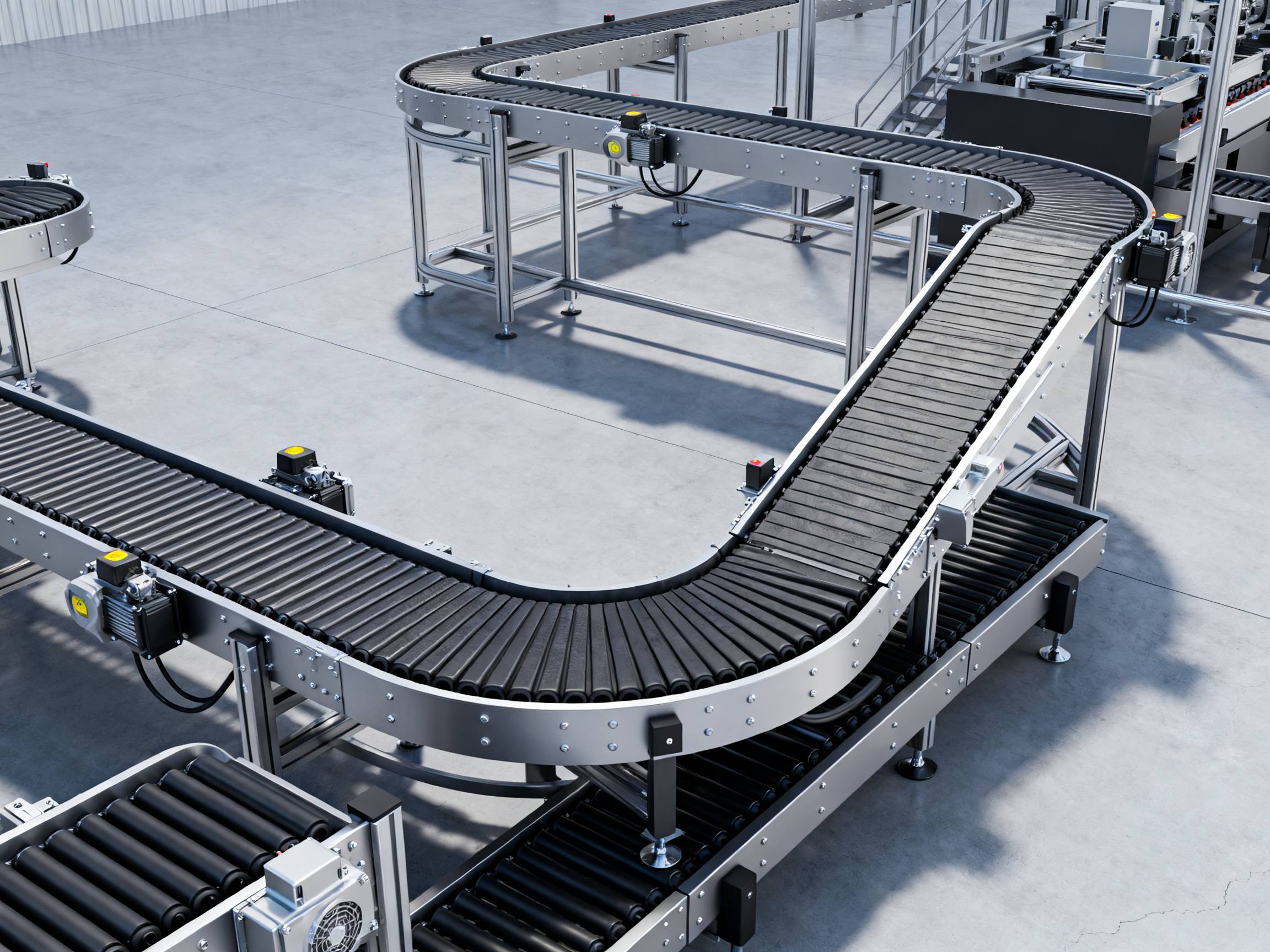
Technology in conveyor systems is advancing fast, and the benefits are clear. Whether it’s predictive capabilities or eco-friendly designs, 2026 is shaping up to be a year of breakthroughs.
Coming up: Let’s talk challenges that manufacturers face—and the solutions that keep their conveyor systems running smoothly.
Conclusion: Key Takeaways for the Conveyor Systems Market in 2026
Conveyor systems are not just tools—they are integral to modern manufacturing and logistics. In 2026, these systems are smarter, more eco-friendly, and increasingly adaptable to unique industry challenges. Whether you’re aiming to cut downtime, improve precision, or achieve sustainability goals, the right conveyor system can transform your production line.
Key trends include leveraging AI and IoT for predictive maintenance, adopting modular designs for scalability, and integrating energy-efficient solutions to align with ESG commitments. The conveyor systems market, valued at over USD 7 billion, continues to expand globally, driven by technological advancements and growing demand from regions like Asia-Pacific, North America, and Europe.
Expert Insight: I’ve witnessed how the right conveyor system selection can save companies significant time and money during peak production cycles. At Sun and Mountain SMT, tailoring conveyor setups to specific materials and production requirements has resulted in fewer sorting errors and higher overall output efficiency for EMS and OEM clients.
Conveyor manufacturers, such as Daifuku and Siemens Logistics, are shaping the future with innovation and sustainability at the forefront. Businesses should keep an eye on evolving trends and prioritize strategic equipment investments to remain competitive.
When planning for your factory’s future growth, remember that choosing the right conveyor system isn’t just a technical decision—it directly impacts your bottom line. 2026 is the year to start thinking beyond basic movement solutions and toward intelligent systems that take your operations to the next level.
Whether you’re upgrading systems or exploring new technologies like AI-enhanced conveyors, Sun and Mountain SMT is here to help bridge the gap between goals and solutions.