
Modular Conveyor Systems: A Deep Dive into Design Considerations and Efficiency Enhancements
Published: 08 May 2026
Reading Time: 10 minutes
Reviewer: [Reviewer Name Placeholder], [Credentials Placeholder]
Introduction: Why Modular Conveyor Systems Matter Today
Imagine walking into a massive electronics manufacturing facility and noticing its conveyor systems in action. Whether it’s moving fragile PCBs (printed circuit boards) through soldering processes or transferring assembled devices to the packaging area, these systems are the silent heroes behind high-efficiency production. Companies worldwide are continuously adopting modular conveyor systems to boost productivity, cut downtime, and keep up with fast-changing demands.
Here’s the thing: modular conveyor systems aren’t just smart—they’re essential for industries that thrive on flexibility and precision. They enable manufacturers to adapt quickly without throwing away expensive equipment. While traditional systems work fine, modular designs unlock a level of efficiency that’s hard to ignore. So, how do these systems really work, and what makes them so valuable?
Jace Liu, a recognized expert in the field of Surface Mount Technology equipment manufacturing, specializes in designing modular conveyor systems and integrating advanced solutions into existing production lines. Jace’s extensive experience in automation and precision manufacturing technologies makes him well-equipped to provide insights into the latest trends and developments in conveyor system design.
Key Components of Modular Conveyor Systems
Modular conveyor systems bring flexibility to manufacturing by using interchangeable modules that can be reconfigured, expanded, or integrated into existing lines without welding or cutting. But what’s inside these systems that makes them so versatile?
1. Structural Frame
- Made from lightweight aluminum extrusions for customization.
- Configurable for straight lines, turns, slopes, or even multi-lane setups.
- Frames eliminate the need for drilling or welding, allowing quick adjustments.
2. Belting or Carrying Surface
- Equipped with plastic modular belts, cleated belts, or heavy-duty belting.
- Designed for energy efficiency and quick replacement.
3. Drive Unit
- Includes motors, gearboxes, and couplings for smooth operations.
- Smart technology ensures precise speed and torque control.
4. Pulleys and Rollers
- Pulleys guide the belt, while rollers handle materials and reduce friction.
5. Control Systems
- Feature real-time monitoring and integration with automation tools like PLCs.
6. Accessories
- Add-ons like stand-alone sensors, side rails, and chains enhance customization.
Each of these components works together to deliver adaptable and efficient solutions for high-speed and scalable manufacturing. To understand the full scope of its benefits, let’s dive deeper into their design considerations.
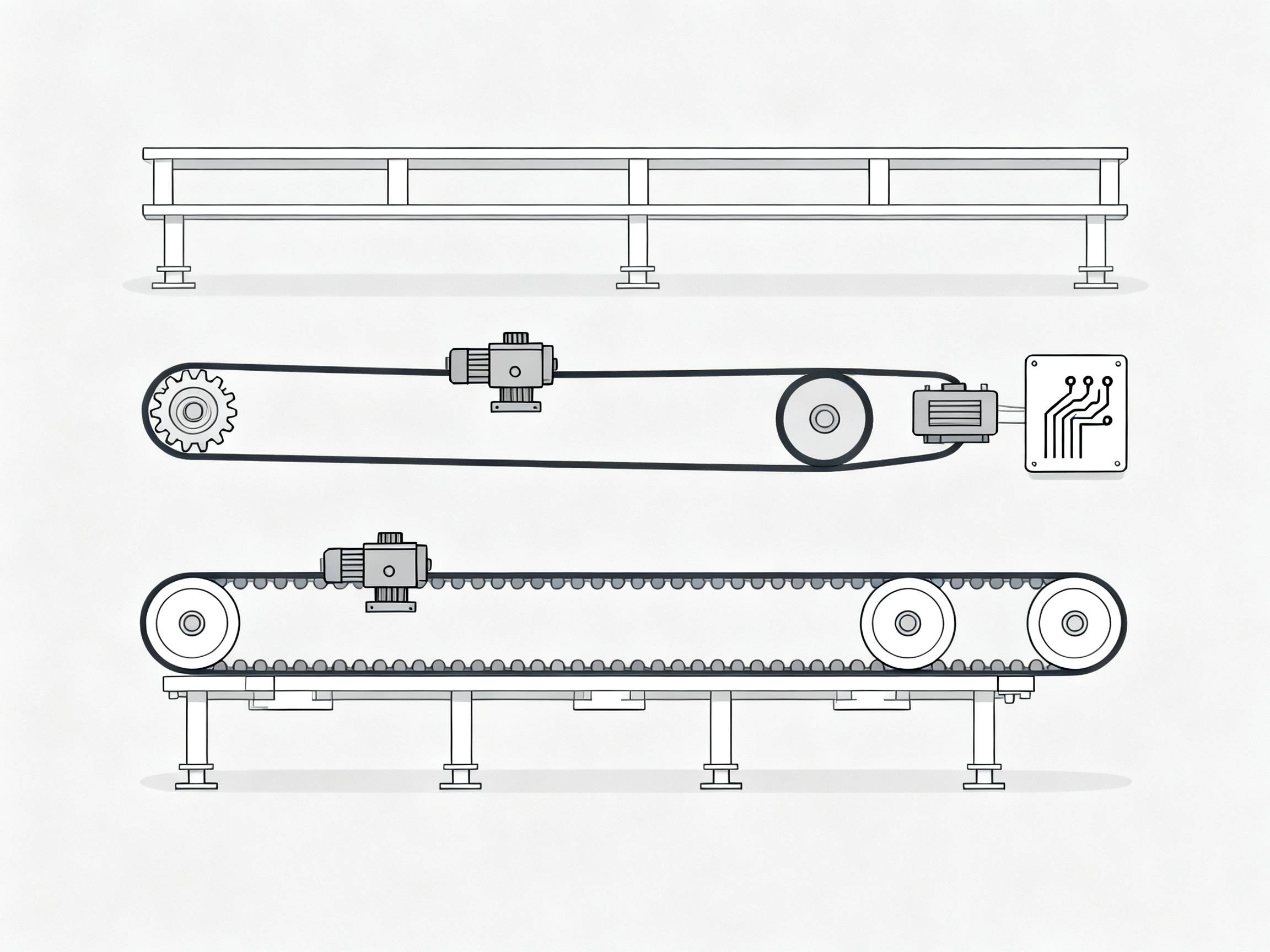
Expert Tip: Focus on lightweight frames and modular belts for energy savings and easier adjustments.
Benefits of Modular Conveyor Systems
Now that we know how modular conveyor systems are built, let’s explore why they’re quickly becoming industry favorites. In 2026, these systems offer:
Efficiency Boost
- Increase productivity by up to 30%. Modular systems allow faster adaptation to product changes.
- Reduce maintenance downtime thanks to snap-in components.
Flexibility
- Adjust layouts with minimal effort. These systems fit tight spaces, complex configurations, and diverse product needs.
Durability
- Plastic modular belts resist wear and tear better than rubber alternatives.
- Ideal for environments requiring both high and low temperature resistance.
For industries like logistics and food processing, modular conveyor systems are a no-brainer.
Optimizing Build and Integration
Building modular conveyor systems might sound complicated, but the actual process is straightforward when broken into steps:
Phases of Assembly
- Planning: Start with a site assessment. Identify bottlenecks, throughput needs, and storage areas.
- Design: Choose modular hardware systems and integrate automation tools like PLCs.
- Installation: Assemble sections, connect controls, and synchronize alignments.
- Testing: Conduct dry runs to simulate production loads.
These steps ensure efficiency and predictability, especially for large-scale industries like electronics manufacturing.
In the upcoming section, we’ll focus on emerging trends and how these systems are reshaping industries worldwide. From sensor-driven conveyors to sustainable materials, modular systems are making waves in 2026!
Emerging Trends in Modular Conveyor Systems
Modular conveyor systems are buzzing in 2026, and for a good reason. They’re evolving fast to meet the growing demands of automation, sustainability, and precision manufacturing. Let’s dive into the trends shaping the future of these systems.
Smart Systems with IoT Integration
More modular systems now come equipped with smart sensors and Internet of Things (IoT) features. These can detect issues, adjust speed, or even predict maintenance needs. Companies upgrading their conveyors with such tech often see reduced downtime and higher productivity.
For example, IoT-driven conveyors allow manufacturers to track real-time metrics like load weight and belt speed. These systems notify operators before something goes wrong, saving time and eliminating costly disruptions.
Flexible Manufacturing Layouts
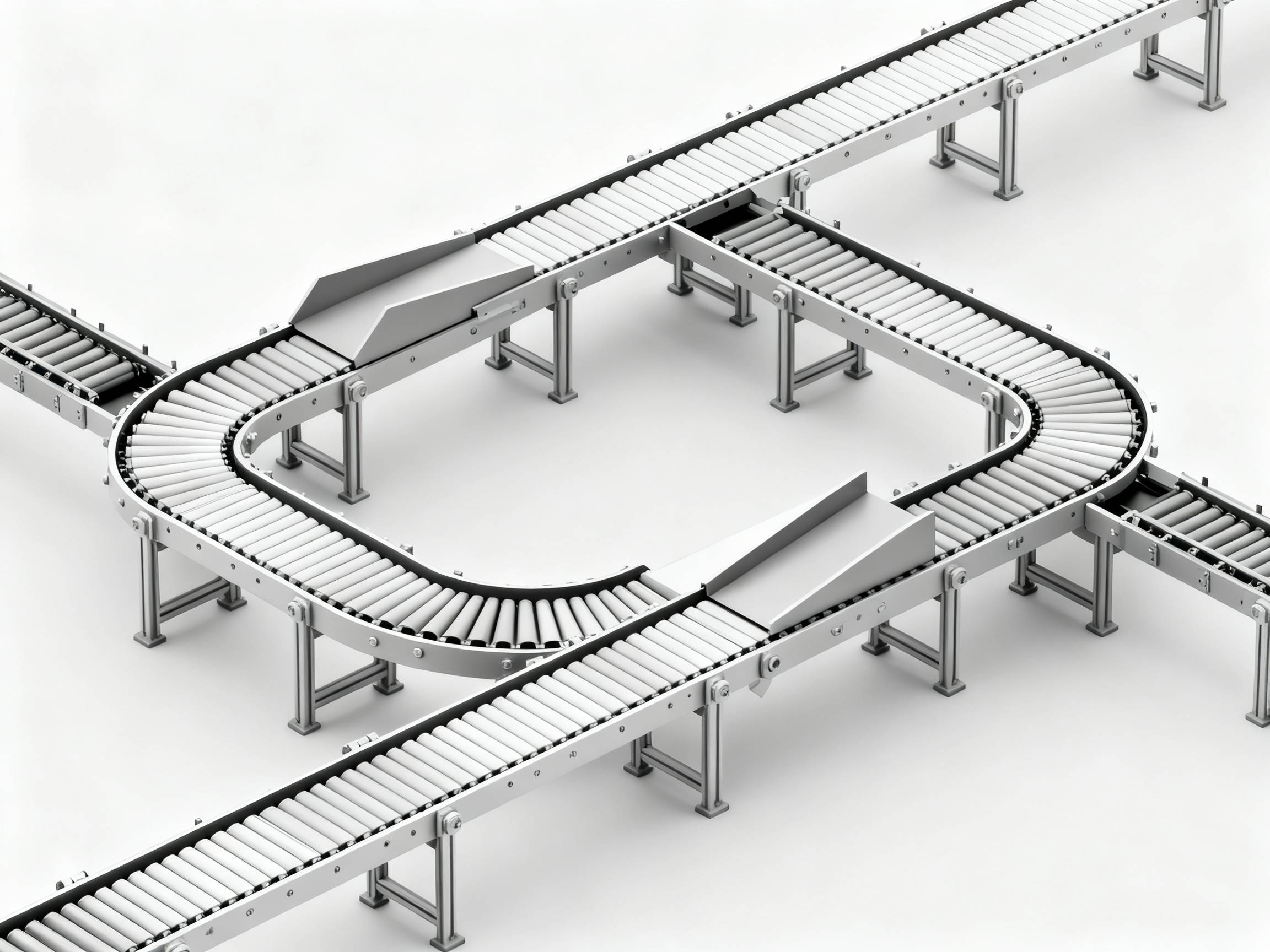
Gone are the days of fixed-line conveyor systems that work for one setup only. Modular conveyors adapt to changing layouts easily. Need a curve or incline? No problem. Want to move the setup to a bigger facility? You won’t have to start from scratch.
This flexibility is especially handy for industries like e-commerce, where demand shifts can be unpredictable. Modular solutions let companies stay nimble without racking up huge costs.
Pro Insight: Jace Liu recommends focusing on systems with adjustable side rails and snap-in rollers for industries needing frequent layout changes, such as packaging plants.
Energy Efficiency Takes Center Stage
Modern conveyors emphasize energy savings. Plastic modular belts are lighter and generate less friction, which means motors don’t work as hard. Pair that with energy-smart drive units, and you’ll see big reductions in electricity costs.
Food and beverage companies are already adopting these eco-friendly features to meet sustainability targets. Plus, they’re easier to clean, which adds to the appeal in these hygiene-sensitive sectors.
Sustainability in Materials
Plastic belting that’s easy to clean and recycle is rising in popularity. Consumers care about eco-friendly options, and manufacturers are feeling the pressure to adopt greener processes. Modular conveyors are becoming leaders in this space, especially in areas like food processing.
Looking ahead, modular conveyor systems will continue to play an important role in transforming industries worldwide. They’re faster, more adaptable, and smarter than ever.
Designing Modular Conveyor Systems
Now let’s dig into how these systems are designed to maximize efficiency and adaptability. Right from the start, modular conveyor systems prioritize versatility. They’re crafted with interchangeable parts that make reconfiguration a breeze. Let’s explore the foundations of design and how they translate into better results on the production line.
1. Easy Layout Adjustments
Traditional conveyor systems often require customized layouts that are fixed, but modular systems let you adapt as needed. Expand, reduce, or curve your conveyor lines with minimal effort—no welding or cutting required. This flexibility saves time and costs, especially when production needs change.
2. Low-Maintenance Components
Plastic modular belts are the heart of many modular systems. These belts deliver two major benefits: resistance to wear and tear, and easy replacement. When it’s time for repairs, you can pop out faulty sections without halting your whole operation.
3. Tech-Ready Design
The integration of smart sensors with your modular conveyor systems opens the door to automation. With real-time monitoring, you’ll get alerts for handling production loads or predicting maintenance, reducing downtime by as much as 20%.
Expert Tip: Lightweight structural frames and high-tech sensors make your conveyor system more energy-efficient, reducing costs without compromising performance.
4. Tailored for Every Industry
Whether you’re in food processing, electronics manufacturing, or logistics, modular conveyor systems accommodate your needs. From handling delicate items like PCBs (printed circuit boards) to robust applications in mining, their multi-functional nature supports diverse workflows.
How Design Translates to Value
Here’s the big picture: Modular conveyor systems deliver efficiency, adaptability, and sustainability without requiring constant overhauls. And as industries chase cost-effective solutions in 2026, this design philosophy is more relevant than ever!
The next section will zoom in on the assembly process to show how these designs come together practically.
Real-World Applications of Modular Conveyor Systems
Let’s look into how modular conveyor systems are shining across industries. From surface mount technology (SMT) equipment manufacturing to logistics hubs, these systems are transforming how production lines work.
Examples in SMT and Electronics Manufacturing
Imagine a production line for SMT equipment like reflow ovens or PCB conveyor systems. Modular conveyors offer a flexible backbone for assembling printed circuit boards (PCBs) efficiently. Manufacturers can switch between different configurations, like handling delicate PCBs for soldering or transferring heavier boards to testing stations, with minimal effort.
Take a facility that integrates conveyor systems designed to move fragile electronics. With add-ons like automated sensors and multi-functional belts, defects caused by rough handling drop by up to 20%. Plus, productivity jumps as workers no longer waste time on manual setups or error management.
Adaptability to Changing Demands
Production demands aren’t static. Industries like e-commerce or pharmaceutical manufacturing often need conveyor setups to change overnight. With modular conveyor systems, turning a straight-line conveyor into one with curves for smaller packages is simple. Or, expanding the line to accommodate higher throughput takes hours instead of days.
Imagine an e-commerce facility during peak seasons. Using modular layouts with flexible setups, companies process up to 30% more packages without missing deadlines or requiring significant investments.
Success in Diverse Environments
Whether it’s food processing requiring hygiene-sensitive materials or automotive assembly needing durable equipment, modular conveyor systems fit seamlessly. For example, plastic modular belts not only hold up against corrosive environments but also allow easier cleaning. Similarly, industries like mining adopt systems capable of handling heavier materials without constant maintenance interruptions.
In real-world numbers, food and beverage plants have observed savings of up to 25% in maintenance costs. Automotive manufacturers scale assembly lines faster to meet changing demands for EV components, without investing in costly fixed systems.
Each example highlights why modular designs lead the pack in efficient production for 2026.
Pro Insight: Jace Liu stresses the importance of tailoring conveyor systems to handle industry-specific challenges like sensitive electronics or bulky materials. Systems equipped with adjustable side rails and predictive maintenance software guarantee smoother operations.
Stay tuned as we explore step-by-step assembly processes in the next section. You’ll see how these systems come together practically to deliver the incredible versatility manufacturers need today.
Final Takeaways and Looking Ahead
Let’s recap why modular conveyor systems are essential in 2026 and highlight the key benefits that make them stand out across industries. These systems deliver adaptability, cost-effectiveness, and efficiency in ways traditional systems can’t match.
Why Modular Systems Work
- Reliable Performance: Modular components are easier to maintain, repair, or replace, meaning reduced downtime for businesses handling fast-moving products.
- Scalable for Growth: Whether you’re a small manufacturer or a large-scale operator, these systems adapt to current and future needs.
- Sustainability Focus: Lightweight materials and energy-efficient motors reduce electricity costs while meeting eco-standards.
Expert Tip: Jace Liu suggests prioritizing modular systems with interchangeable plastic belts and IoT-ready features for maximum ROI.
What’s Next?
The future of modular conveyor systems lies in further integration with AI, IoT, and robotics. As industries push for smarter, automated solutions, conveyors will become the backbone of Industry 4.0 manufacturing operations. Expect improved precision, self-monitoring components, and seamless upgrades to keep these systems future-ready.
Looking ahead, industries like e-commerce, food processing, and electronics manufacturing will continue to lead adoption. If you’re ready to start building better production lines, modular conveyor systems are a smart place to begin.
Pro Insight: Jace Liu emphasizes that businesses investing in predictive maintenance technology paired with modular systems can save up to 25% annually on repair-related costs while gaining a competitive edge in sustainability metrics.
Curious about how to design a modular conveyor system tailored to your industry? Let’s dive deeper into step-by-step guidelines here!