
Published: 16 April 2026
Reading Time: 12 minutes
Reviewer: Jace Liu, Electronics Manufacturing Expert
Introduction: Understanding the Role of SMT Machines in Modern Electronics Manufacturing
Picture this: you’re in a world where tiny electronic components are easily mounted onto circuit boards with incredible precision. That’s the magic of Surface Mount Technology (SMT). Nowadays, SMT is leading the way in electronics manufacturing, thanks to its ability to handle complex and compact devices. It’s essential for creating everything from smartphones to medical devices.
Jace Liu is an experienced electronics manufacturing expert specializing in Surface Mount Technology (SMT) equipment innovations. With over a decade of hands-on experience in SMT assembly processes, Jace provides invaluable insights into advancements in precision manufacturing.
How Do SMT Machines Work?
SMT machines are at the core of high-tech manufacturing lines. They use pick and place PCB machines to position components with extreme precision onto circuit boards. These machines make the process faster and more reliable. Let’s take a closer look at how they operate.
The Puzzle Pieces of SMT
- Solder Paste Application: Here is where the glue is put down. A special paste is applied to the PCB where the components will sit.
- Component Placement: Next, the pick and place machines come in. They pick up parts and put them in the right spots.
- Reflow Soldering: This is where the parts stick for good. They are heated so the paste melts and bonds.
- Inspection: Finally, the boards are checked to make sure everything’s perfect.
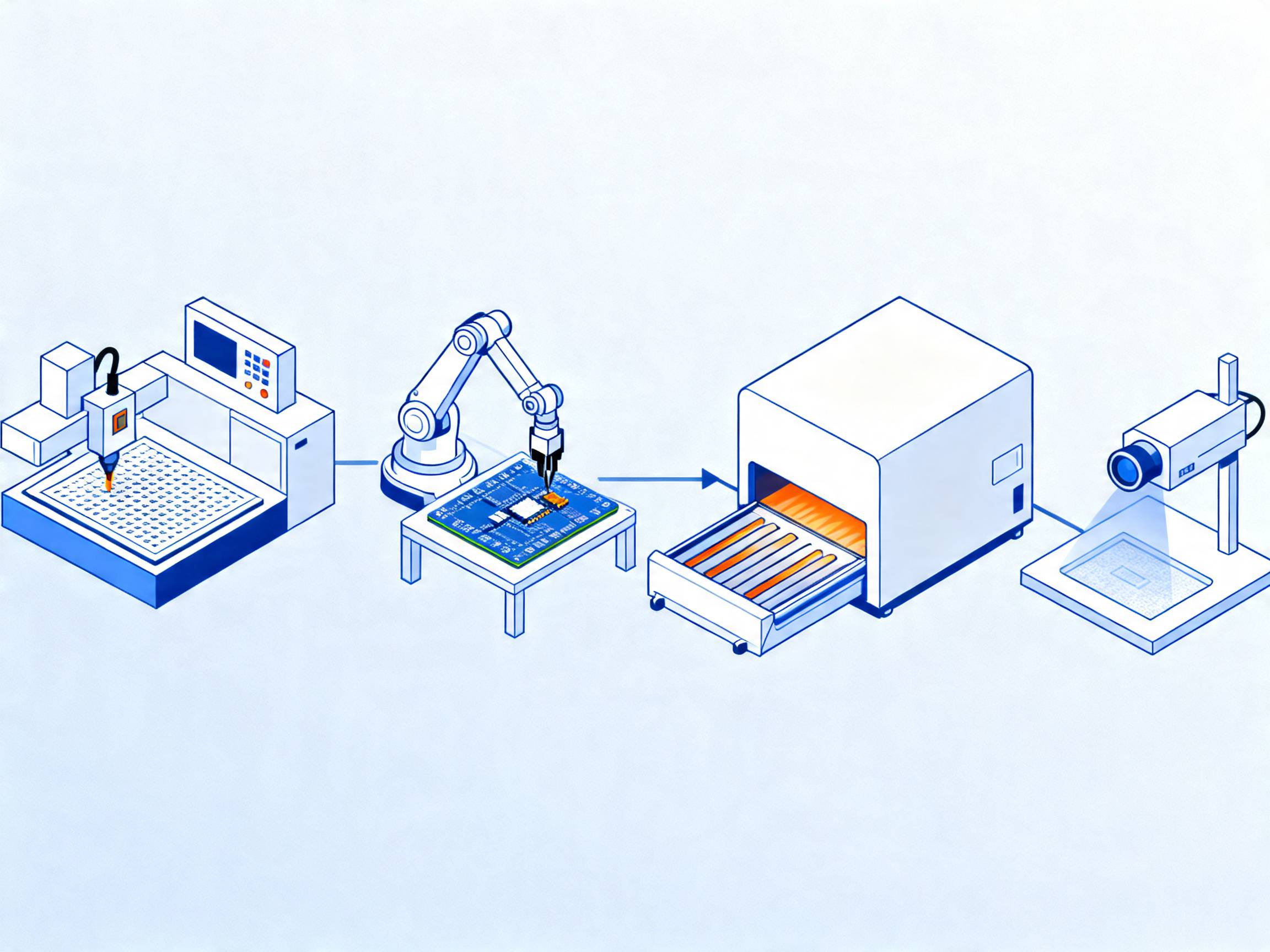
Expert Tip: Key workflow optimization strategies for SMT assembly from seasoned production engineers include calibrating your machines regularly and investing in staff training to minimize errors.
Machine Vision in SMT Assembly: Enhancing Accuracy
Machine vision is like giving eyes to SMT machines. It helps them see and place components more accurately, which is great news if you want high-quality products. By using cameras and sensors, these systems can quickly spot problems and correct them on the fly.
Making Things Better
Machine vision not only boosts production speed but also ensures fewer mistakes. Think about robotic eyes scanning every millimeter for errors. That’s how good SMT machines need to be to deliver perfect products.

Growing Across Industries
From car manufacturers to tech giants, more industries are adopting SMT with machine vision to stay competitive. It’s not just for electronics anymore.
Pro Insight: Real-world improvements seen by SMT manufacturers with advanced machine vision systems include significant reductions in product defects and increased throughput.
Benefits of SMT Over Through-Hole Technology
Choosing SMT over through-hole technology is a no-brainer for many. Why? It’s more cost-effective and offers better precision. Through-hole tech is older and requires more manual work, which can be slower and less accurate.
Here’s why SMT often wins:
- Faster Production: SMT streamlines the entire process by removing the need for as many manual steps.
- Compact Designs: Components can be placed on both sides of a PCB, making designs smaller.
- Lower Costs: Less manual work means fewer chances for errors and less labor cost.
Expert Tip: Key cost-saving advantages experienced by transitioning to SMT technology include reduced labor costs and faster production cycles.
And there you have it, a closer look at how SMT machines are redefining the world of electronic assembly. Using the latest technologies like machine vision, these machines help industry players produce top-notch products. Whether you’re a seasoned engineer or just curious, understanding the ins and outs of SMT can open a new world of possibilities.
—## Troubleshooting SMT Inaccuracies: Challenges and Solutions
No one likes it when things go wrong, especially on a fast-paced production line. But SMT machines, like any technology, aren’t perfect. They need proper troubleshooting when inaccuracies creep in. Let’s explore what causes these problems and how to fix them.
Common Causes of SMT Inaccuracies
- Misaligned Components: This happens when parts don’t line up right during placement, often because the pick and place machine isn’t calibrated.
- Soldering Issues: Uneven or insufficient solder paste can cause parts to not stick properly.
- Environmental Factors: Temperature and humidity swings can mess with the reflow process, leading to defects.
- Machine Wear and Tear: Parts like nozzles or feeders wear out over time, reducing precision.
Knowing these causes is the first step to avoiding costly production errors.
Ways to Improve Accuracy
- Regular Maintenance: Keep up with scheduled check-ups for your machines. Swapping out worn parts before they fail is key.
- Enhanced Calibration: Properly adjust pick and place PCB machines to prevent component misalignment.
- Use Software Tools: Invest in diagnostic tools to catch issues before they snowball. Some programs can even simulate production runs to spot potential trouble.
- Monitor Environmental Conditions: Use humidity control systems to stabilize the reflow process.
Expert Tip: Regular audits of your SMT assembly line can uncover hidden inefficiencies and improve overall quality. Engineers who dig into the root causes of inaccuracies see long-term gains in throughput and reliability.
Diagnostic Tools That Make a Difference
Modern SMT lines rely on advanced tools to detect and troubleshoot errors fast. Machine vision systems can identify small misalignments or soldering mistakes right away. Plus, there are dedicated troubleshooting programs for analyzing machine performance in real-time. This reduces downtime and keeps the production line flowing.
If you’re working with older models, consider retrofitting them with these types of tools to extend their life and improve performance. It’s an upfront cost that pays off in fewer delays and less scrap material.
Troubleshooting might sound tedious, but it’s absolutely worth it. By catching small issues early, you save time and money while keeping production on track.—
Maintaining an Edge in Electronics Manufacturing: Final Thoughts
Surface Mount Technology (SMT) has revolutionized modern electronics manufacturing. With its ability to integrate precision, automation, and compact designs, it’s hard to overstate the advantages SMT machines bring to the table. By streamlining production processes and supporting high-density component placement, SMT enables businesses to meet the growing demand for advanced electronics. But that’s not all.
Why Investing in SMT Technology Matters
In today’s fast-paced electronics industry, staying ahead means investing in scalable manufacturing solutions. Advanced SMT systems, like those offered by Sun and Mountain SMT, enable businesses to achieve high-quality production at competitive costs. A well-designed SMT assembly line minimizes defects, improves efficiency, and helps companies adapt to changing market demands.
For example, incorporating technologies like machine vision into your SMT process not only boosts accuracy but also reduces labor costs. That’s a big win for businesses looking to scale while maintaining profitability. And let’s face it, chasing technology trends isn’t about fancy gadgets; it’s about staying relevant and competitive.
Keeping the Edge
As we move further into 2026, expectations for electronics manufacturing will only grow. Companies that prioritize upgrading their SMT systems will find it easier to meet these challenges head-on. Whether you’re expanding production capabilities or improving product quality, a strategic investment in SMT equipment is your ticket to staying in demand.
Pro Insight: Real-world data from electronics hubs like East Asia show that manufacturers utilizing advanced SMT equipment report a 30% reduction in production costs, thanks to better automation and enhanced precision.
If you’re looking to explore the best precision equipment for high-volume production, Sun and Mountain SMT might be a good place to start. They offer everything from reflow ovens to PCB conveyor systems, designed for durability and efficiency.
In electronics manufacturing, the name of the game is precision, scalability, and adaptability. By leveraging the power of SMT machines, companies can meet customer demands while maintaining profitability. Whether you’re troubleshooting current inaccuracies or planning future investments, advanced SMT systems bring lasting benefits. Dive into technology and elevate your assembly line.
Expert Conclusion: The growth potential in utilizing SMT equipment cannot be ignored. By maintaining a balance of innovation and efficiency, manufacturers will enjoy superior production outcomes, reduced downtime, and greater customer satisfaction.
Related SMT Equipment
Looking for equipment to support your manufacturing line? S&M offers a full range of SMT equipment:
- SMT Reflow Ovens — Nitrogen and air atmosphere, 8-15 zones, dual-track options
- Wave Soldering Systems — Standard and selective soldering, 350-610mm tunnel
- PCB Loaders & Unloaders — Magazine-based automated board handling
- PCB Buffers — Storage and cooling buffers for production line balancing
- Curing Ovens — UV and thermal curing for coatings and adhesives
Contact our application engineers for equipment recommendations and line configuration support.