
Published: 27 June 2026
Reading Time: 8 minutes
Reviewer: Alex Tan, Reviewed by Industry Engineering Specialist
You know that moment when a finish looks perfect going in, then comes out dull, cracked, or uneven? It happens more often than people admit. In automotive, electronics, and aerospace work, the curing step can make or break the final result.
Batch curing ovens help teams control that step with steady heat, repeatable timing, and better consistency across powder coating, paint, and Cerakote jobs. And in 2026, with tighter quality demands and less room for scrap, that control matters even more. If you are comparing how batch curing oven for powder coating setups differ from how batch curing oven for paint or how batch curing oven for cerakote applications work, this guide will help you sort it out fast.
We will walk through the big stuff that buyers usually care about most: best batch curing oven temperature ranges, sizing, and what to check before you spend real money on equipment.
Jace Liu is an experienced engineer specializing in electronics manufacturing technologies with over a decade of experience advising companies on advanced production equipment. Leveraging his in-depth expertise in curing processes for paints and coatings, he provides actionable insights to help businesses enhance their manufacturing efficiency and product quality.
Why Batch Curing Ovens Matter in Modern Manufacturing
A batch curing oven is built to heat coated or treated parts in a controlled space so the material can harden the right way. That sounds simple. It is not. The heat has to be stable, the airflow has to be even, and the cycle has to match the coating chemistry.
Industries like automotive, aerospace, and electronics rely on these ovens because coatings and bonded materials need more than just heat—they need repeatable heat. According to Despatch Industries on curing processes, curing ovens are commonly used for coatings, adhesives, composites, rubber, and thermoset materials where strength and durability depend on the reaction finishing properly.
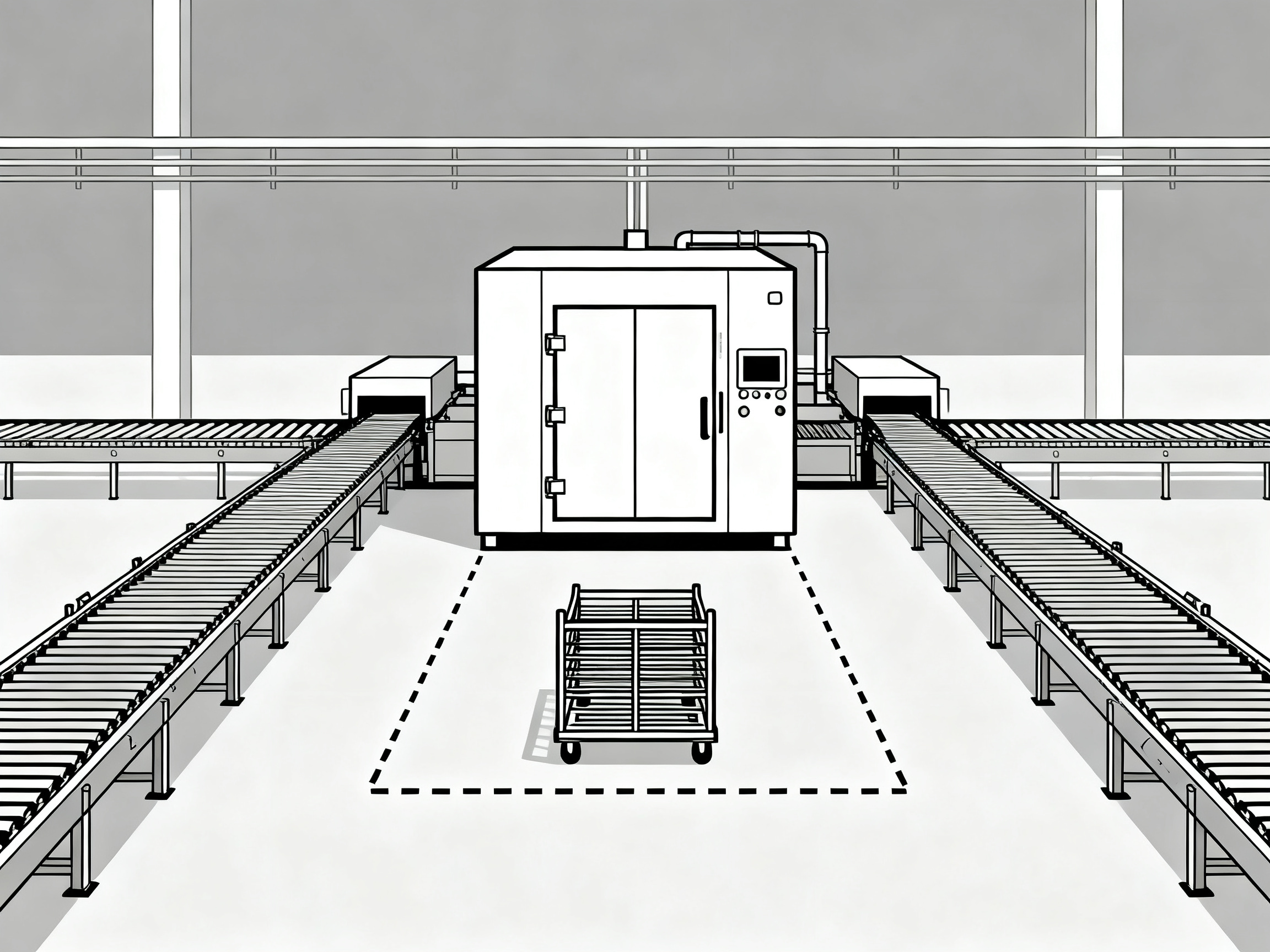
That is why batch curing ovens for industrial use still hold a strong place in production lines, even as factories add more automation. For many teams, they are the practical middle ground between flexibility and output. You can run different part sizes, change recipes, and keep quality tighter without building a whole custom conveyor system.
And yes, that matters for buyers trying to avoid waste. A bad cure can mean rework, coating failure, missed delivery dates, or a customer complaint nobody wants to read on a Friday afternoon.
Growing Demand for Better Curing in 2026
More manufacturers now want tighter finish quality, lower energy waste, and fewer process surprises. That is true in powder coating shops, paint lines, and Cerakote operations alike. Customers expect cleaner finishes and longer product life, so curing has become a bigger part of the quality conversation.
For powder coating, the batch oven powder coating process usually needs high, even heat so the powder melts, flows, and cures fully. For paint, the process can be gentler, but timing and temperature still shape gloss, adhesion, and hardness. Cerakote curing solutions demand even more precision because small temperature drift can throw off performance or appearance.
This is where a lot of teams get stuck. They ask for the best batch curing oven temp, but there is not one magic number for every job. The right setting depends on the coating, the substrate, the part thickness, and the oven’s ability to hold uniform heat.
What This Guide Will Help You Figure Out
Here is the simple version. If you are planning to buy or upgrade a curing oven, you need answers to three questions.
| Question | Why it matters |
| — | — |
| What temperature range do I need? | Different coatings cure at very different heat levels |
| What oven size fits my workload? | Wrong sizing leads to wasted space, bottlenecks, or rework |
| What should I check before buying? | Build quality, controls, support, and long-term cost all affect value |
Later in the guide, we will break down how to compare temperatures for powder coating, paint, and Cerakote, how to think about chamber size, and what separates decent ovens from costly headaches.
If your company also runs electronics production, this kind of buying mindset carries over nicely to other thermal equipment. Teams that already use precision systems from suppliers like Sun and Mountain SMT often expect the same things from curing equipment too, stable process control, strong uptime, and easy line integration. Makes sense, right?
So that is the goal here. Help you choose with fewer guesses, fewer sales buzzwords, and a much better shot at long-term value.
What Are Batch Curing Ovens and How Do They Work?
A batch curing oven is a heated chamber that cures parts one load at a time. You place parts inside, set the cycle, let the heat do its job, and unload when the cure is done. Simple idea. But the science behind the result is a bit pickier.
These ovens are used for powder coating, liquid paint, Cerakote, adhesives, rubber parts, and thermoset materials. The main goal is to trigger the right chemical change so the finish hardens with the strength, color, and wear resistance you expect. If the oven runs too cold, the coating may stay soft or fail early. If it runs too hot, you can burn the finish or damage the part.
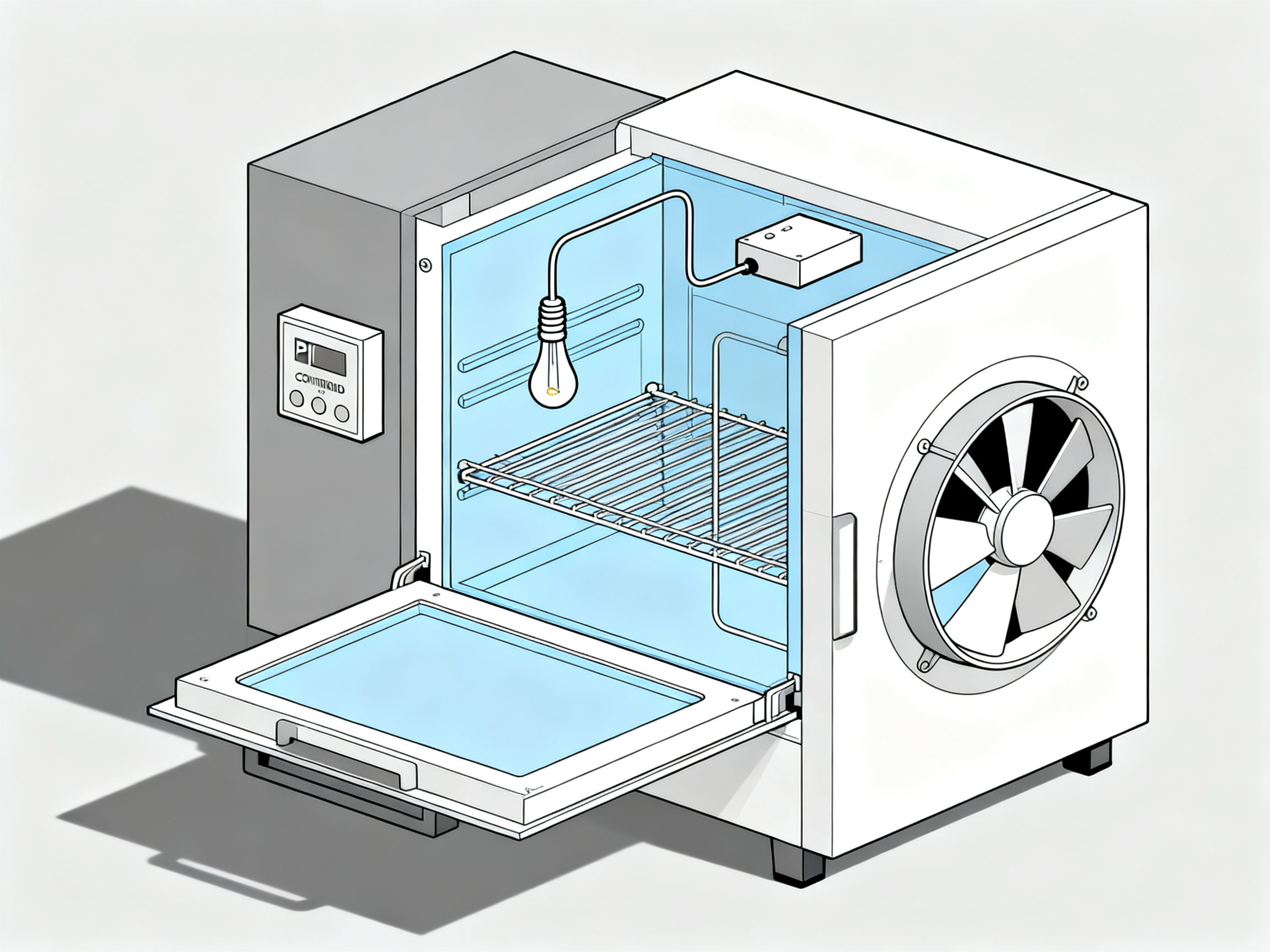
That is why industrial oven temperature control matters so much. In real shops, even a small drift can show up fast on the line. We have seen teams treat curing like the easy step, then spend hours chasing defects that really started with uneven heat.
Expert Tip: When you compare oven designs, look past the outside shell. Good insulation, stable sensors, solid door seals, and even airflow paths usually tell you more about long-term oven quality than a shiny control panel does.
Most high-quality batch curing ovens for industrial use rely on three things working together:
- heat source output that stays steady
- airflow that moves hot air across the full chamber
- controls that hold time and temperature within a tight window
Air circulation is a big deal here. Fans push heated air around the chamber so parts in the back do not cure differently from parts near the door. Better ovens are built to reduce hot spots and cold corners, which is a common reason finishes come out uneven. According to True Composites on how temperature affects curing, temperature directly affects how well curing reactions complete, which then shapes hardness, bond strength, and finish quality.
Why Precise Temperature Control Changes Everything
I have seen buyers focus on chamber size first, then controls second. Honestly, I would flip that for many operations. The Importance of Precise Temperature Control in Batch Curing comes down to one thing: repeatable outcomes.
Poor control usually shows up in familiar ways:
- uneven gloss across the same load
- soft edges or under-cured corners
- cracking, bubbling, or discoloration
- weak adhesion and shorter coating life
- rework that burns labor time fast
This is why modern industrial oven temperature control is not just a nice extra in 2026—it is part of your quality system. According to NIC Industries technical data for Cerakote H-Series, cure schedules can vary by product line and substrate, which is why tight control and recipe accuracy matter so much.
A good oven does more than hit a target once. It holds that target, recovers after the door opens, and keeps air moving so the whole chamber behaves the same way. We have seen teams improve first-pass yield just by tightening cure consistency, not by changing the coating itself. That is a nice win because changing a process setting is usually cheaper than changing your whole material stack.
Conclusion
A good batch curing oven does more than heat parts. It helps you get stable quality, less rework, and a process your team can trust day after day. If you are weighing how batch curing oven for powder coating, how batch curing oven for paint, and how batch curing oven for cerakote needs differ, the smart move is to match the oven to your real temperature range, actual load size, and long-term production plan.
In 2026, buyers usually get the best results when they focus on control accuracy, usable chamber space, support after the sale, and the true cost of curing ovens over time. If your plant also values precise, dependable thermal equipment in electronics production, it makes sense to bring that same standard to curing systems too. And if you are mapping out broader factory upgrades, suppliers like Sun and Mountain SMT can be part of that bigger conversation around reliable, integrated production equipment.
The best oven for your shop is the one that cures consistently, fits your workflow, and keeps paying you back in fewer defects and smoother output. That is the real win.