
Published: 26 May 2026
Reading Time: 8 minutes
Reviewer: Simon Scrapes, Founder
Understanding Reflow Technology: Batch vs. Continuous
If you have ever wondered how tiny components get permanently attached to circuit boards, you have probably crossed paths with reflow oven technology. These machines are the workhorses of modern electronics assembly, and they come in two main flavors: batch reflow and continuous reflow oven systems.
What Is Batch Reflow?
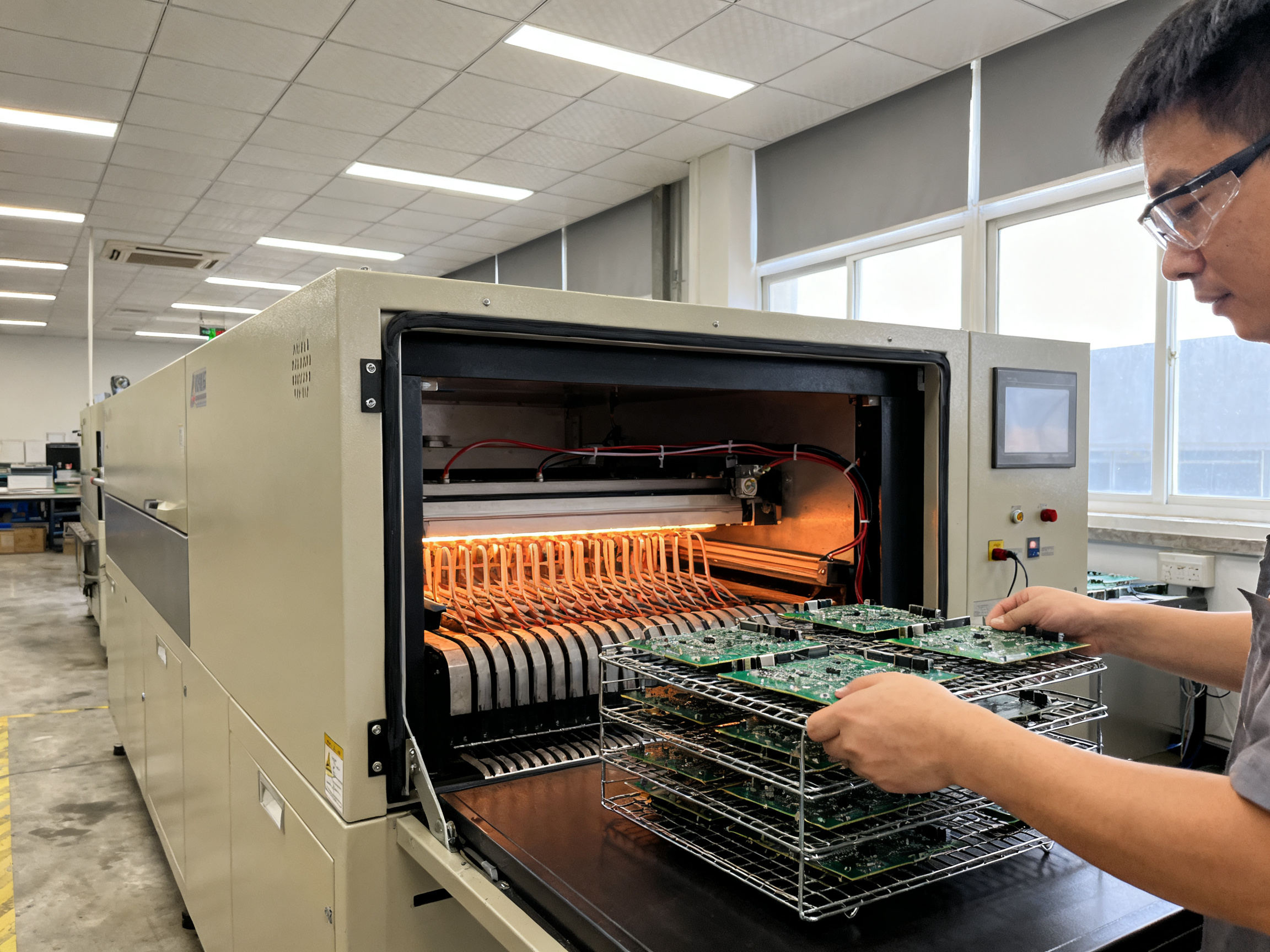
A batch reflow oven processes PCBs in groups. You load several boards into a chamber, run them through a carefully controlled heating profile, let them cool down, and then unload them before starting the next batch. Think of it like cooking in an oven at home. You put a tray of cookies in, wait for them to bake, take them out, and put in another tray.
This approach works really well for smaller production runs, prototype builds, and shops that need to switch between different product types often. If your line deals with high-mix manufacturing where one day you might be making 50 units of product A and the next day 20 units of product B, batch processing gives you that flexibility.
What Is Continuous Reflow?
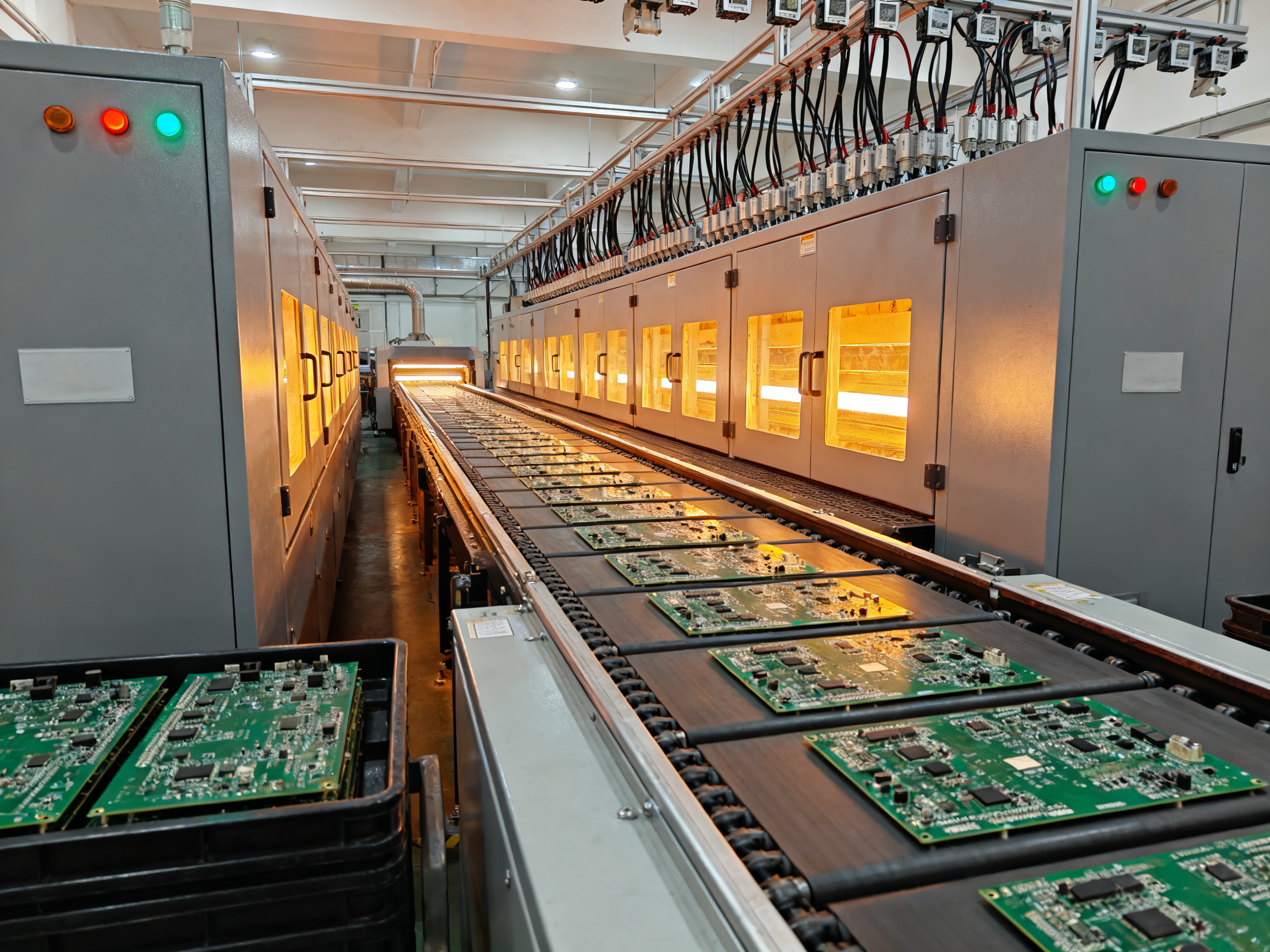
A continuous reflow oven uses a conveyor system to move boards continuously through different heating zones. Boards go in one end, pass through preheat, soak, reflow, and cooling sections, and come out the other side finished. There is no stopping and starting. The conveyor just keeps moving.
This is where manufacturing efficiency really shines for high-volume work. A continuous reflow oven can pump out dozens or even hundreds of boards per hour, depending on the setup. That kind of throughput is exactly what consumer electronics manufacturers need when they are producing millions of smartphones or tablets.
Where Does This Technology Show Up?
Reflow technology is everywhere in electronics manufacturing today. Consumer electronics, automotive control systems, aerospace components, medical devices, and LED lighting all rely on proper reflow soldering to create reliable connections between components and circuit boards.
The real benefit of both approaches comes down to thermal control. Getting the temperature right matters enormously for solder joint quality. Too hot and you damage components. Too cool and the solder does not flow properly. Both batch and continuous systems solve this problem, just in different ways that suit different production environments.
Companies like Sun and Mountain SMT manufacture equipment for both approaches, helping factories choose the right setup based on their actual production needs rather than forcing a one-size-fits-all solution.
The choice between these two really comes down to your volume, your product mix, and how often you need to change what you are making.## The Mechanics: How Batch Reflow Ovens Work
So how does a batch reflow oven actually work? Let me walk you through it.
First, operators manually load PCBs into the oven chamber. This could be one board or several, depending on the oven size and what the thermal profile requires. The boards sit on racks or trays inside the chamber, and once the door closes, the reflow process begins.
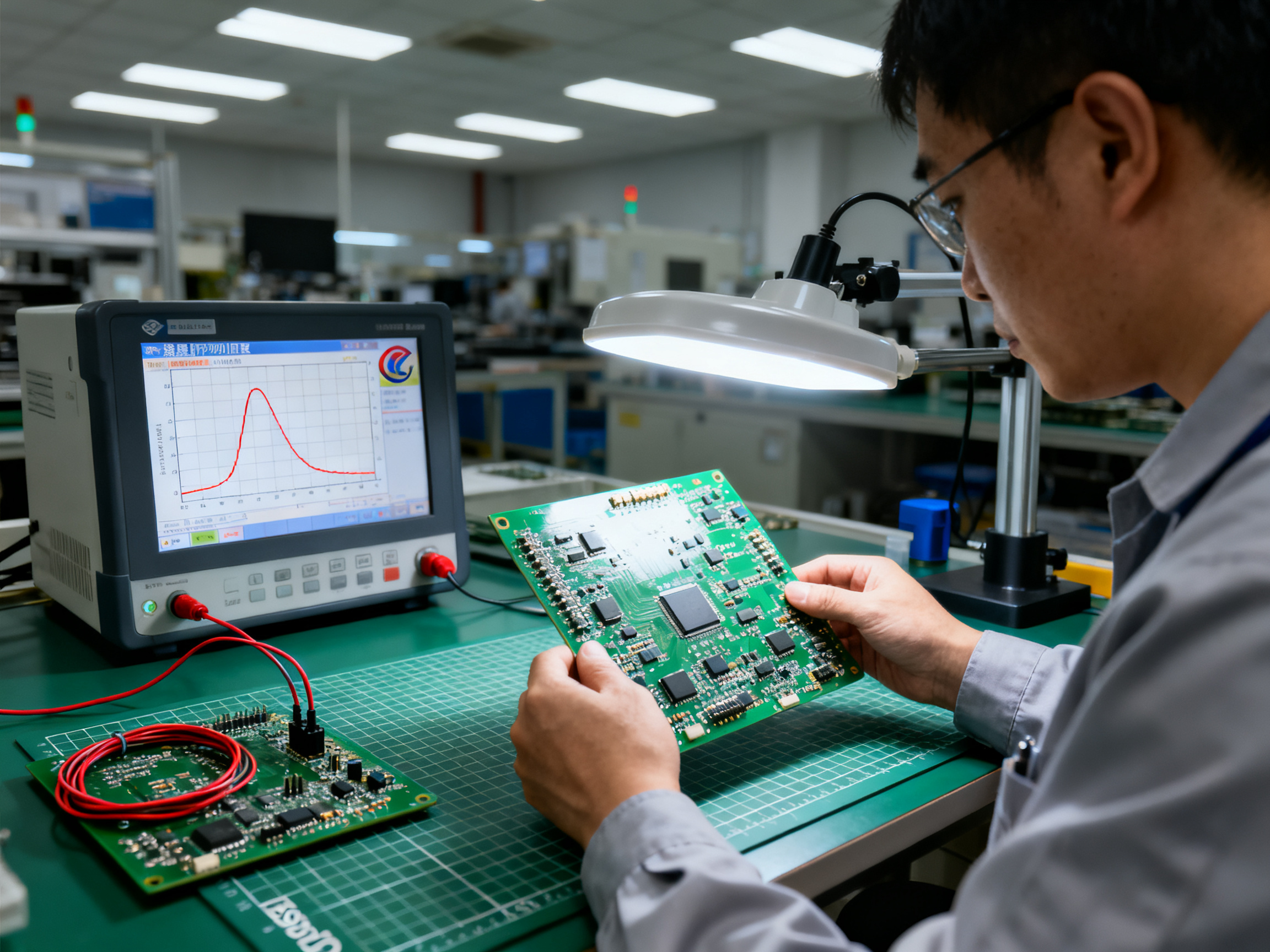
The oven then follows a carefully programmed thermal profile with four distinct stages:
- Preheat: The temperature rises gradually, usually around 1 to 2 degrees Celsius per second, to dry out any moisture and bring everything to a safe starting point.
- Soak: Boards hold at a medium temperature to equalize heat across all components, which prevents thermal shock.
- Reflow: The oven hits peak temperature, typically around 240 to 250 degrees Celsius, and the solder paste melts and flows.
- Cooling: Temperature drops in a controlled way so solder solidifies properly and components stay put.
After the cycle finishes, operators open the chamber and remove the finished boards. The whole process typically takes 15 to 30 minutes depending on board complexity.
The nice thing about batch processing is that you get complete control over the thermal profile since boards stay stationary while the oven follows the temperature curve. This makes it easier to fine-tune for different board types or especially sensitive components.
We’ve found that batch ovens work really well for shops that need to switch between different products often. You load one batch, run it, unload it, and load something completely different. No cleaning out a conveyor system or adjusting multiple heating zones for a different thermal profile. Just open the door and go.
Common industries that rely on batch reflow include aerospace and defense shops that need low-volume, high-reliability assemblies, university labs doing prototype work, and medical device manufacturers running small regulated batches. LED manufacturers also appreciate batch processing for heat-sensitive components where thermal control matters more than speed.
Pro Insight: Why batch processing can be a strategic choice for specific applications comes down to flexibility and control. When your production runs are smaller or your product mix changes frequently, batch ovens let you optimize each run without compromising your entire line.
The tradeoff is that batch ovens cannot match the throughput of continuous conveyor systems. But for many operations, that flexibility is worth more than raw speed.### The Mechanics: How Continuous Reflow Ovens Work
Now that we have covered batch ovens, let us look at how continuous reflow ovens operate. The workflow here is fundamentally different because boards never stop moving.
A conveyor system runs continuously through multiple heating zones: preheat, soak, reflow, and cooling. Operators place boards at the entry point, and the conveyor carries them through each zone at a set speed. By the time a board exits the other side, it has gone through the complete thermal profile and is ready for inspection.
The key difference is spatial instead of temporal. In batch ovens, the temperature changes while boards stay still. In continuous ovens, boards move through zones that maintain steady temperatures. The conveyor speed determines how long each board spends in each zone, which means thermal profile control happens by managing belt speed and zone temperatures together.
This is where continuous systems really shine for high-volume production. You can process dozens or even hundreds of boards per hour depending on board size and oven configuration. The numbers from 2026 show batch ovens handling maybe 1 to 15 boards per day, while continuous systems blow past that by processing boards continuously without any downtime between batches.
We have worked with continuous reflow setups at several facilities, and the throughput difference is honestly staggering when you are running high-volume work. The line just keeps flowing. There is no loading, waiting, unloading cycle. Boards go in one end and finished products come out the other.
The automated nature also reduces manual handling, which means fewer opportunities for human error and more consistent results across large production runs. Modern systems in 2026 also include smart closed-loop control that adjusts temperatures in real time based on feedback sensors, keeping the thermal profile locked in even as conditions change.
Industries that gravitate toward continuous reflow include consumer electronics manufacturers pumping out smartphones and tablets, automotive electronics suppliers who need reliable high-volume production, aerospace shops running consistent product lines, and power electronics manufacturers who benefit from vacuum or nitrogen options that reduce voids and oxidation.
The tradeoff is flexibility. Continuous ovens excel at running the same product over and over. Changeovers take longer because you need to adjust conveyor speeds, zone temperatures, and potentially clean out residue from different solder pastes. For facilities with stable, high-volume product lines, this is rarely an issue. For high-mix operations, it can become a bottleneck.## Comparing Throughput: Batch vs. Continuous
Now let us talk numbers, because at the end of the day, throughput is what drives purchasing decisions for most manufacturing facilities.
Batch Oven Throughput
Batch reflow ovens typically handle around 1 to 15 boards per day depending on board complexity and oven size. That might sound low, but remember, these ovens are processing multiple boards at once within each batch cycle. A single batch run might include 4, 6, or even more boards simultaneously.
The limiting factor is the cycle time. Each batch takes 15 to 30 minutes from loading to finished product, plus operator handling time. You cannot start the next batch until the current one finishes and gets unloaded.
Continuous Oven Throughput
Continuous reflow ovens operate completely differently. They can process dozens or even hundreds of boards per hour depending on board size and conveyor configuration. There is no loading and unloading delay because boards enter and exit continuously.
In 2026, modern continuous systems with smart closed-loop control can maintain peak efficiency while adjusting for different board types, making them even more productive than previous generations.
Production Line Impact
The throughput difference creates a stark contrast in how these systems impact production lines.
| Factor | Batch Reflow Oven | Continuous Reflow Oven |
|——–|——————-|———————-|
| Daily Output | 1-15 boards/day | Dozens to hundreds/hour |
| Changeover Time | 5-15 minutes | 30-60+ minutes |
| Best For | Low-volume, mixed products | High-volume, stable runs |
| Labor Intensity | Higher (manual loading) | Lower (automated conveyor) |
The key insight is that batch ovens shine when flexibility matters more than raw speed. Continuous ovens crush it on throughput, but that advantage only makes sense if you have enough volume to keep the line running.
Expert Tip: Optimizing throughput to match production needs means looking at your actual order book. If you are running 500+ identical boards per day, continuous reflow pays for itself fast. If your orders are smaller and more varied, batch flexibility often wins.
We have seen facilities make the wrong choice simply because they looked at throughput specs without considering their actual product mix. A batch oven running 8 hours a day with multiple changeovers can outperform a continuous oven sitting idle waiting for enough volume to justify setup time.
The sweet spot for continuous systems is sustained high-volume production where the line never needs to stop. Batch systems work better when your schedule changes daily and you need to pivot between different products without costly downtime.## Cost Analysis: Batch vs. Continuous Reflow Ovens
Money talks in manufacturing, and the cost difference between batch and continuous reflow ovens can make or break a purchasing decision. Let us break down what you can actually expect to pay.
Initial Investment
Batch reflow ovens win on upfront cost. You can get a solid benchtop or small chamber oven for prototyping work for somewhere between $5,000 and $25,000 depending on features and capacity. Continuous conveyor systems are another beast entirely. A mid-range inline oven in 2026 typically runs $50,000 to $150,000 or more, and that does not include the conveyor infrastructure, feeders, and integration work needed to connect it to your production line.
The gap is significant. For a small shop or startup, that difference might mean the difference between upgrading your equipment or keeping the old manual setup that is costing you in defects and labor.
Maintenance Costs Over Time
Here is where batch ovens keep their advantage. Fewer moving parts means fewer things that can break. A batch oven has heating elements, fans, and temperature sensors. That is about it. Continuous ovens add conveyors, belt tracking systems, airflow management, filters, and more complex process controls that all need regular attention.
We have seen batch ovens run for years with just basic cleaning and occasional calibration. Continuous systems in high-volume facilities might need monthly preventive maintenance on the conveyor system alone, plus regular filter changes and belt adjustments. Annual maintenance costs for continuous ovens can run $5,000 to $15,000 depending on usage and complexity.
From Our Experience: Financial considerations in choosing between batch and continuous ovens really come down to your utilization rate. If a continuous oven sits idle half the day because your volume is too low, you are paying for throughput you never use. The math only works when you keep that line running.
Cost Per Board at Scale
The interesting part happens when you look at cost per unit produced. Batch ovens have lower ownership costs but higher per-board costs because you are paying for operator time to load and unload each batch. Continuous ovens spread their high upfront cost across thousands of boards, bringing the per-unit cost down substantially at volume.
| Cost Factor | Batch Reflow Oven | Continuous Reflow Oven |
|————-|——————-|————————|
| Initial Purchase | $5,000 – $25,000 | $50,000 – $150,000+ |
| Annual Maintenance | $1,000 – $3,000 | $5,000 – $15,000 |
| Cost Per Board | Higher (labor intensive) | Lower (automated) |
| Break-Even Volume | ~50-100 boards/day | ~200+ boards/day |
The break-even point sits around 200 boards per day for most setups. Below that, batch processing usually wins financially. Above that, continuous systems start pulling ahead fast.
For facilities running hybrid operations, some choose to have both: a batch oven for prototypes and specialty work, plus a continuous line for volume production. That way you optimize costs for each job type without compromising quality or flexibility.
Sun and Mountain SMT offers equipment financing options that can help spread the upfront cost if a continuous system makes sense for your volume but the initial investment feels steep. Many manufacturers find that the throughput gains pay back the equipment cost within 18 to 24 months when running at capacity.
Best Use Cases for Batch vs. Continuous Reflow Ovens
Alright, so you have got the technical details down. Now comes the part that actually matters for your business: which oven should you actually buy?
Let us break this down by real scenarios.
When Batch Makes Sense
Batch reflow ovens earn their spot in several situations. Small-scale prototyping and R&D work is the obvious one. University labs, design houses, and startup manufacturers often run just a handful of boards at a time. A continuous conveyor system sitting idle most of the day does not make financial sense.
High-mix manufacturing is another natural fit. If your facility handles 20 different product variants in a single week, batch ovens let you run exactly what you need without expensive changeovers. You load boards for product A, run the cycle, unload, and switch to product B. Simple.
Specialty applications also favor batch processing. Medical device manufacturers running regulated low-volume batches appreciate the traceability and control. Aerospace shops dealing with expensive assemblies want that hands-on oversight. LED manufacturers working with heat-sensitive components need the precise thermal control that batch systems provide.
We have seen aerospace contractors stick with batch ovens for mission-critical assemblies. The ability to closely monitor each batch, adjust profiles for sensitive components, and maintain detailed records outweighs any throughput advantage.
When Continuous Makes Sense
Continuous reflow ovens dominate high-volume production environments. Consumer electronics manufacturers pumping out smartphones and tablets need throughput measured in hundreds of boards per hour. There is simply no way a batch oven keeps up.
Automotive electronics suppliers are another obvious fit. When you are producing thousands of identical control modules or sensor assemblies monthly, the continuous line pays for itself fast.
The sweet spot for continuous systems is stable, repetitive production. Same board, same thermal profile, running 8+ hours daily. Changeovers are infrequent and planned. If your order book looks like that, continuous reflow is probably your answer.
The Hybrid Approach
Here is what a lot of facilities do in 2026: they run both. A continuous line handles volume production for stable product lines, while a batch oven handles prototypes, new product introduction, and specialty runs. Sun and Mountain SMT actually designs systems with this flexibility in mind, letting manufacturers right-size their equipment for actual demand patterns.
The key is knowing your own production profile. Are you running 500 identical boards daily? Go continuous. Are you running 10 to 50 boards across 30 different SKUs? Batch makes more sense. Mix of both? Consider the hybrid setup.
What is your production reality looking like right now?## Conclusion: Strategic Considerations and Recommendations
Picking between batch and continuous reflow really comes down to understanding your own production reality. If you are running high-volume work with stable product lines, continuous reflow ovens deliver the throughput that makes the investment worthwhile. If your operation handles varied products, prototypes, or lower volumes, batch reflow gives you the flexibility to adapt without costly downtime between changeovers.
The real question is not which technology is better overall. It is which one fits your actual workflow. Both approaches have earned their place in modern electronics manufacturing, and the smartest facilities in 2026 often run both side by side.
So here is what I would suggest: take a hard look at your order book for the next 12 months. If most of your work fits the high-volume, stable-profile profile, start researching continuous systems. If your production is more varied, a quality batch oven might serve you better right now.
Sun and Mountain SMT offers equipment consultations that can help you work through these decisions based on your specific production needs and budget constraints. Sometimes the best move is talking to someone who has seen hundreds of similar setups before.
What is your biggest challenge with reflow right now?## Author Bio
Michael Chen has spent two decades optimizing SMT equipment for electronics manufacturers. His work with EMS and OEM clients gives him firsthand insight into the batch versus continuous reflow decision. He writes to help factories choose equipment that fits their actual production needs.