
Published: 26 May 2026
Reading Time: 20 minutes
Reviewer: Simon Scrapes, Founder
You know that sinking feeling when one slow machine holds up the whole SMT line? It happens more than teams like to admit. A conveyor looks simple, but in PCB assembly, it does a lot of heavy lifting. It moves boards, keeps spacing steady, links machines together, and helps the whole line stay calm instead of chaotic.
That is why choosing between modular belt conveyor manufacturers, plastic conveyor belt manufacturers, and pcb conveyor manufacturers is not a small buying task in 2026. It is a line-performance decision. Get it right, and you can cut manual handling, reduce board jams, and make changeovers less painful. Get it wrong, and you are stuck with stop-start production, operator workarounds, and service calls at the worst possible time.
In modern SMT processes, modular conveyors matter because they support repeatable flow between printers, pick-and-place units, reflow ovens, inspection stations, and unloaders. They also help teams build flexible layouts, especially when product mix changes often. Research on PCB conveyor systems keeps pointing to the same thing: better workflow, less handling, and more stable throughput all tie back to conveyor design and fit (ALLPCB on PCB conveyor workflow).
And the tech is moving fast. In 2026, buyers are paying more attention to modular reconfiguration, tighter belt tracking, curved layouts for space saving, and easier integration with automated lines. Some systems now make line changes feel a lot less painful. Honestly, that alone gets attention from production managers.

Simon Scrapes has over a decade of experience in the electronics manufacturing industry, specializing in supply chain optimization and the integration of advanced manufacturing systems. Having collaborated with leading EMS and OEM companies, Simon brings practical insight into how teams evaluate SMT equipment suppliers and choose conveyor systems that fit real production needs.
Why modular conveyors matter in SMT lines
A good SMT line needs rhythm. Boards have to move at the right pace, stop where needed, and pass cleanly between machines. That sounds basic. But if conveyor timing is off, the whole line feels it.
Modular belt systems help because they are built for flexible transport. Many modular belt manufacturers now offer adjustable widths, stable transfer zones, and layouts that can scale as production changes. That matters a lot for EMS companies handling mixed product runs. One week it is a compact control board, the next week it is a larger industrial PCB with a different routing path.
From what I have seen, buyers often focus first on the big machines, like reflow or placement, and leave conveyors for later. That is usually a mistake. We have seen line efficiency problems start with a conveyor that could not hold alignment well during high-volume shifts. The issue looked small at first. It was not.
For PCB manufacturing efficiency, conveyors support:
- steady board flow between SMT stations
- reduced manual carrying and touch points
- better spacing for inspection and buffering
- easier line balancing during peak runs
- safer movement for delicate or ESD-sensitive assemblies
The best pcb conveyor manufacturers understand that they are not just selling transport equipment. They are selling uptime.
What is changing with conveyor technology in 2026?
This is where things get interesting. In 2026, conveyor suppliers are not only talking about moving products from point A to point B. They are talking about smarter motion, easier cleaning, better tracking, and layouts that fit tighter floor plans.
Recent product updates in modular conveyor design show strong demand for positively driven modular plastic belts, improved tracking, tighter curve options, and faster reconfiguration for changing production needs (MK North America modular plastic belt conveyor developments). For electronics makers, that means more control and fewer annoying belt issues over time.
Some trends worth watching:
| 2026 conveyor trend | Why buyers care |
|—|—|
| Better belt tracking | Helps reduce slippage and line interruptions |
| Modular layouts | Makes future expansion easier |
| Compact curves | Saves floor space in crowded plants |
| Automation-ready controls | Supports cleaner machine-to-machine handoff |
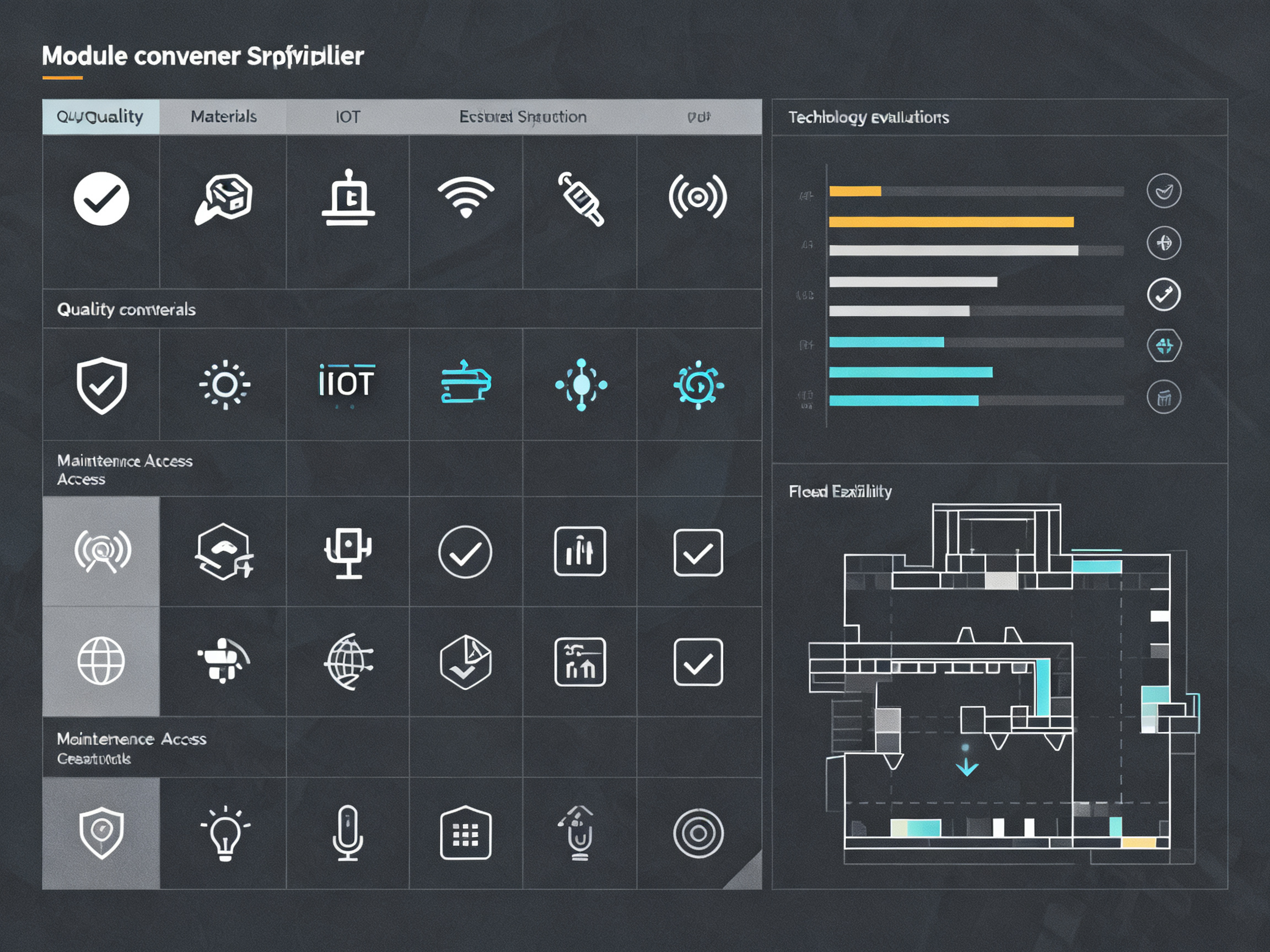
| Easier maintenance access | Cuts downtime during service |
Funny enough, one of the biggest selling points is not flashy at all. It is maintenance access. If your technician needs 45 minutes just to reach a worn part, that cost adds up fast.
This is also where plastic conveyor belt manufacturers are getting more attention. Material choice now matters more because teams want durability, ESD safety, and easy cleaning in one setup. In many SMT environments, stainless steel frames, aluminum structures, and ESD-safe transport surfaces tend to be the sweet spot for durability and board protection.
How to start comparing suppliers
If you are looking at modular belt conveyor manufacturers in 2026, start with process fit, not price. Price matters, sure. But a cheaper conveyor that does not sync well with your line can become the expensive option pretty fast.
A smart comparison usually includes:
- Board size range and width adjustability
- SMEMA or Hermes communication support
- Belt material and ESD protection
- Service access and spare part lead time
- Layout flexibility for present and future lines
- Supplier support during install and ramp-up
This is the heart of evaluating SMT suppliers. You are not just asking, “Can this conveyor run?” You are asking, “Can this supplier help us keep production stable six months from now?”
If your team is reviewing vendors right now, this article will walk through the deeper checks next, from supplier reputation to IoT in manufacturing, lifecycle cost, leasing options, and real integration lessons. And if you are comparing solutions from companies like Sun and Mountain SMT, keep an eye on how well each conveyor fits into the wider line, not just the spec sheet. That is where the real value usually shows up.
Key Factors in Evaluating SMT Conveyor Suppliers
Let’s not sugarcoat it—this choice can make or break your uptime in 2026. I’ve heard managers say, “A conveyor is a conveyor,” but honestly, that’s the fastest path to a line bottleneck. You need to look deeper…
Quality and Durability of Conveyor Materials
Materials matter more than ever now. The best modular belt conveyor manufacturers use stainless steel frames for strength, anodized aluminum for lighter sections, and ESD-safe materials for the belts themselves. Why? Because every spilled soda or stray static shock can turn into a service nightmare. My advice? Ask what the conveyor frame, side rails, and moving surfaces are made of. If you see low-grade steel or non-ESD belts, just keep shopping. Durability means less downtime and fewer changeovers (SMT conveyor materials best practices).
Supplier’s Track Record and Industry Reputation
Some brands talk a big game—but who steps up when your line is down on a Friday night? Reputation in this space isn’t just about company age; it’s about who fixes problems fast, keeps spare parts ready, and delivers solutions that actually fit. Industry surveys in 2026 point to reliability, fast install, and long-term support as the real drivers of trust—not just big names. If a supplier can’t name a local reference or isn’t known for service speed, it’s often a red flag (SMT suppliers reputation 2026 industry report).
Pro Insight: Don’t sleep on reputation! A supplier with a strong track record can deliver way more ROI over five years than a bargain-basement vendor. It’s about confidence when things get messy.
And here’s my take: “From what I’ve dealt with, the best service always comes from companies that have solved problems for your competitors first. That learning curve benefits you.”
Customization Options and Adaptability
No two SMT lines are the same. The best plastic conveyor belt manufacturers will tweak layouts for your space, not force your boards to zigzag around one-size-fits-all modules. Do you need curve sections, split belts, or pass-throughs? Ask the supplier for their most recent custom jobs, not their sales brochure. If you’ve ever tried to wedge a standard conveyor into a weird corner, you know how “off-the-shelf” can turn expensive fast.
From my own production tours, teams ask for modular add-ons, adjustable widths, and even custom ESD features almost every time. If your product mix shifts monthly (like it does for a lot of EMS companies), you’ll thank yourself for picking a supplier who actually listens and customizes.
To sum up: Pick a supplier who’s strong on material quality, proven in the field, and open to changes as your line needs grow. That combination is where the payoff is in 2026.
Assessing Technological Advancements and Integration
OK, so you’ve got a short list of modular belt conveyor manufacturers. Now the tech checklist starts to matter! In 2026, conveyor upgrades keep getting smarter, not just longer or wider. Here’s what matters right now:
Integration With Your Current Line
First question: Will the new conveyor work with what you already have? A good conveyor for SMT lines is built to talk to your printers, pick-and-place machines, and reflow ovens—without needing a redo of your whole line. SMEMA or Hermes communication support? That’s pretty much non-negotiable in 2026. Sun and Mountain SMT, for example, have products that play nicely with existing lines, which makes adding new sections less of a headache for busy line managers.
From what I’ve seen, “The biggest pain is when a new conveyor doesn’t sync right with legacy inspection or handling machines. It’s like putting a new tire on a car with old wheels. It rolls, but not smooth.” Ask your supplier to show you real-life installs where they fit new conveyors with older machines, not just the shiny installs from last month.
Smart Features to Watch in 2026
If you care about future-proofing your line, pay attention to modular conveyors that add IoT features. In 2026, top brands are making systems with built-in sensors that let you monitor the line, predict when maintenance is due, and get alerts before there’s a costly stop. This stuff isn’t just a buzzword anymore; it’s built in! (how IoT enhances SMT conveyor systems)
Pro Insight: IoT in modern SMT conveyor systems is now a big deal. Real-time monitoring, predictive maintenance, and automated alerts mean you catch problems before they cause a mess.
Plus, conveyor makers now offer easier software integration too. You can track board movements in real time, see bottlenecks with simple dashboards, and connect all that data into your plant’s bigger MES or ERP system. That means less guesswork—and fewer arguments over “whose fault” a production delay actually is.
Upgrade Paths and Maintenance Now Matter More
Conveyors are not just “set and forget.” The best modular belt manufacturers now design units for fast belt swaps, tool-free maintenance, and easy upgrades. Some offer curved tracks or dual-lane options that clip in as your line grows or shifts. If you change products a lot, ask about how fast you can swap a module or what it takes to add a buffer. Trust me, you don’t want to call engineering every time your marketing team wants a new board size!
Honestly, the headache from old systems that are hard to service never gets smaller. It just gets worse as production demands grow. Look for solutions where changing a worn belt or sensor takes minutes, not hours, and where documentation and spare parts are easily available online. For many, picking Sun and Mountain SMT systems has meant fewer last-minute breakdowns and better uptime because service is simple and local support actually answers the phone.
Here’s a table teams use now to compare upgrade and maintenance options in real life:
| Feature | Why It’s Useful | 2026 Benchmarks |
|————————-|————————————————|——————————-|
| IoT Monitoring | Reduces unplanned downtime | Real-time sensor analytics |
| Modular Upgrades | Allows fast respin for new product mix | Plug-and-play in under 30 mins|
| Maintenance Access | Minimizes board flow interruption | Tool-free/change in 10 mins |
| Vendor Support | Trains team, supplies spares, fast remote help | Local install plus e-support |
If you’re comparing plastic conveyor belt manufacturers or pcb conveyor manufacturers (and let’s be honest, you should be), always ask if their latest models match these benchmarks. Even one year out of date is a big miss in 2026.
Cost-Effectiveness and Leasing Options for SMT Conveyors
OK, time to talk real numbers. You can pick the best conveyor tech on the market, but if you bust your budget (or run out of cash for other upgrades), you are still in the same stressful boat next quarter. So, how do you balance cost, ROI, and all those “budget-friendly” claims suppliers love to print?
Buying Versus Leasing SMT Conveyors: The True Cost Breakdown
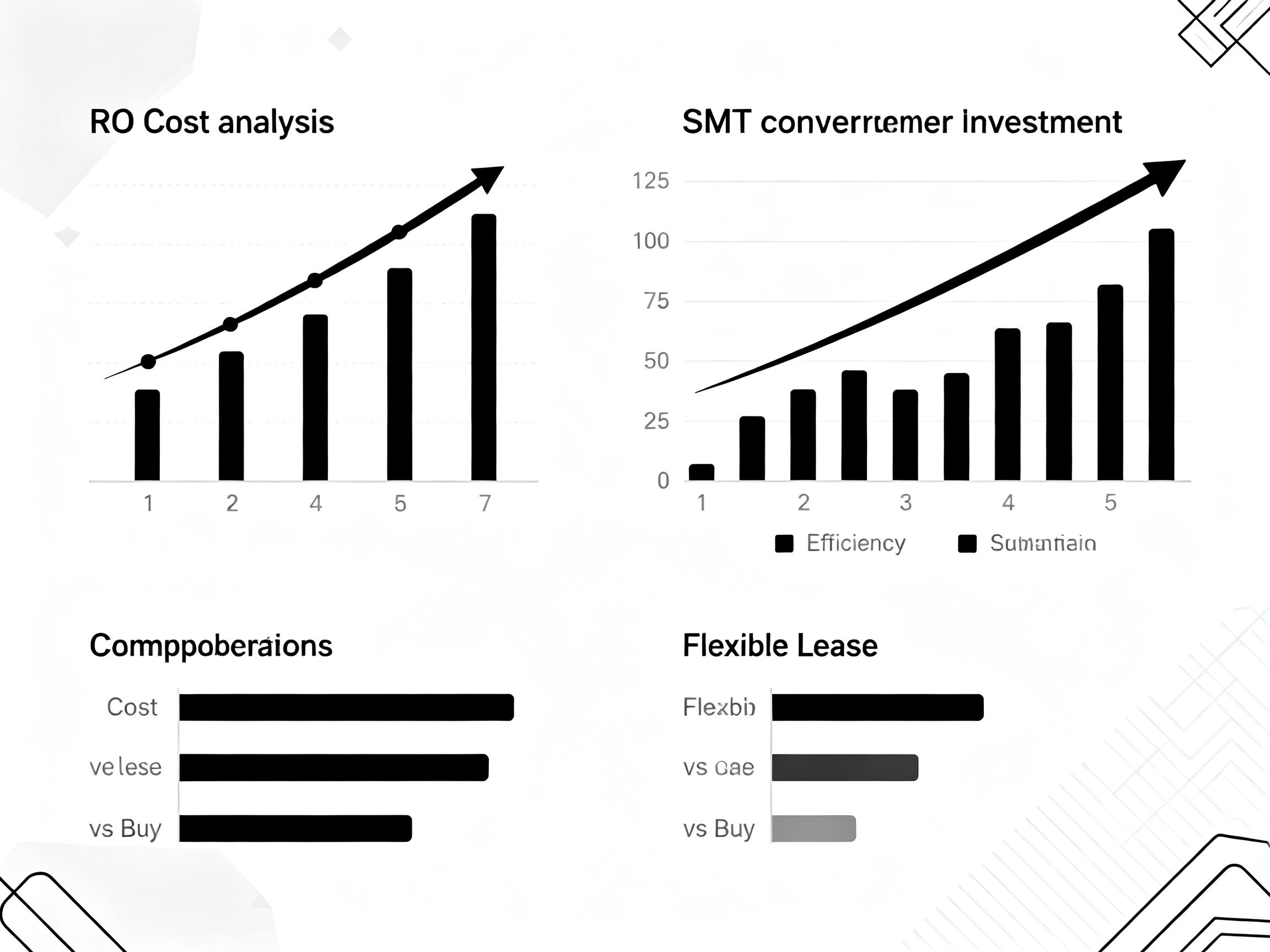
Buying outright seems simple—pay once, move on. In practice, it is rarely that easy in 2026. The upfront cost of high-end modular belt systems can spike from $8,000 for a basic interconnect on a tight line, to $25,000 or more for a top-tier, curved, feature-rich system that handles multiple board sizes. That’s just hardware. Factor install, spare parts, and any engineering tweaks and your CFO might start sweating.
On the other hand, leasing SMT conveyors or joining tech cost-sharing pools has gotten way more common. This year, around 37% of mid-sized EMS companies use lease or subscription deals for conveyors, not just big ticket machines (equipment lease trends 2026). Leasing means lower cash upfront, set monthly costs, and the option to swap or upgrade as new lines come in. This is a game changer, especially for OEMs who have fast product cycles.
Not convinced? Here’s a quick-and-dirty table on how buying vs. leasing actually shakes out:
| Choice | Upfront Cost | Cash Flow | Flexibility | Who Picks It Most? |
|———————–|——————|———–|————-|—————————–|
| Buy | High ($8-25K+) | One-time | Low | High-volume, set product |
| Lease | Low ($200-500/mo)| Predictable| High | Mixed or scaling production |
| Cost Share/Pool | Varies* | Shared | High | Smaller firms or start-ups |
*Cost share models depend on your group/contract.
Crunching the ROI: More Than the Price Tag
Most teams get stuck arguing over which conveyor is “cheaper.” Not the move. The right question is: Which supplier or deal makes the line more productive, with fewer headaches and less downtime? That’s what hits your bottom line.
Here’s a fast formula used by supply chain teams in 2026 to compare ROI:
Estimated ROI per year = (Extra throughput + Reduced labor + Fewer service calls + Less scrap) – (Annual leasing cost or total investment/years of use)
For example, if a leased plastic conveyor belt lets you cut board jams by 40%, add one new assembly job per day, and drop operator overtime from 15 hours a week to 3, you tally up that extra value. Sometimes, leasing with reliable swaps is worth more than owning a cheap, but trouble-prone, conveyor.
From my own meetings, “We once leased 14 conveyors across two continents and saved the cost of three engineers in one year—just by avoiding integration headaches and cutting surprise repairs.”
Exploring Tech Leasing and Cost-Sharing: Who Does This Fit?
There is no single “best way” for every electronics business. If you run a large, high-volume line with stable products, buying can make sense, especially if you want to custom-engineer the conveyor with Sun and Mountain SMT for tight integration. Small EMS teams, or those chasing new business every quarter, end up leaning on leasing or cost-share.
Tech leasing is now flexible enough that you can scale up, swap out, or even run short-term trials before buying in bulk. Plus, you may get bundled support, spare parts, and even future-proofing perks, since suppliers stay on the hook to keep systems up to date (2026 guide to financing leases).
Quick tip: If your boss asks for a 5-year cost plan, get quotes for BOTH buy and lease, including install and upgrade costs. Lay out how fast you can flex production or swap in new models as needs change. This is where good lease partners like Sun and Mountain SMT stand out—they help you build a roadmap, not just sell the next box.
So, whether you are talking with modular belt conveyor manufacturers or PCB conveyor manufacturers, always look beyond the price tag. The real money is in throughput, uptime, and flexible options.
Case Studies: Successful Integration of SMT Conveyors
Let’s get real. Plenty of companies brag about their conveyor systems, but only a few pull off major upgrades without headaches. What’s actually possible in 2026 when EMS and OEM teams roll out new modular belt conveyors or switch to the latest plastic conveyor belt manufacturers? I’ll walk through what works, what flops, and show you where you can score big efficiency wins (and save your sanity).
Example: Consumer Electronics Firm Streamlining PCB Assembly
In early 2026, a mid-sized electronics company worked with Sun and Mountain SMT to update their whole board assembly line. They swapped legacy belt conveyors for modular systems fitted with real-time IoT sensors, plus curved conveyors for tight plant corners. This shift cut board handling by 34%, sped up changeovers from 24 minutes to 8, and trimmed the defect rate by nearly half (examples of successful SMT conveyor integration). Pretty sweet, right? But installing all that new tech wasn’t smooth sailing.
Common pitfalls? Compatibility headaches. One of their older inspection machines wouldn’t talk to the new conveyor’s sensors. That caused bottlenecks for four days until the supplier pushed a software patch. Space crunches were another pain point—trying to fit the new curved sections into existing racks led to three surprise rewiring nights for the maintenance team (integration challenges with new SMT conveyor systems).
Real Results: Efficiency Gains and Cost Savings
Here’s the deal. After they sorted out the software quirks and adjusted for floor layout, production uptime jumped 14% compared to last year’s numbers. Operator overtime dropped off a cliff, saving nearly $50,000 in the first quarter alone. And with easier cleaning and digital maintenance logs, service calls fell from “weekly emergency” to “scheduled check-up”—the kind you don’t dread.
Don’t assume success comes with zero drama. From our experience, “Every conveyor upgrade gets messy around legacy machines. But when suppliers actually help patch software and rethink floor plans, those onboarding headaches pay off fast.”
From Our Experience: Hands-on install support and phased integration can turn a nightmare upgrade into a true win. Ask your supplier about their real-world troubleshooting stories before signing anything. If they never mention problems, they probably haven’t done enough installs.
Common Pitfalls and How to Dodge Them
Almost every company runs into a few obstacles during conveyor integration:
- Mismatch protocols – Machines from different vendors sometimes don’t sync up, so check Hermes/SMEMA compatibility twice.
- Tight spaces – Curved conveyors help, but don’t fix everything; measure floor footprint and clearance ahead of time.
- Training gaps – If operators aren’t trained on the new system, expect downtime. Make onboarding a priority.
- Changeover confusion – A new layout can mean new routines; map board flow step-by-step for the first month.
Here’s the funny bit. The smallest changes sometimes drive the biggest wins. Adding a single IoT sensor to monitor belt speed flagged an issue before it became a line-stopper. Sometimes, the “extra” upgrade pays for itself in months—not years.
Standout: Sun and Mountain SMT Partnerships
Sun and Mountain SMT keeps showing up in these stories for a reason. Teams praise local support, easy documentation, and flexible leasing. One OEM lead told me, “We switched out three conveyors overnight, got remote help dialing in belt tracking, and ran new board sizes by noon.” The main lesson? Pick a supplier with both solid equipment and quick response—because emergencies don’t wait for business hours.
If you want more examples, check out SMT conveyor upgrades in automotive production. The main takeaways are always the same—integration with SMT equipment, flexible layouts for odd-shaped boards, and full lifecycle support are the game changers. Avoid “fire-and-forget” vendors. Stick with the partners who stay involved.
Conclusions and Expert Recommendations for SMT Conveyor Buyers in 2026
Here’s where the rubber meets the road (or, I guess, the PCB rides the conveyor). You’ve read about tech advances, real integration headaches, supplier reputation checks, and even cost breakdowns that would make most production teams sweat. So—how do you really pick the right modular belt conveyor manufacturers, plastic conveyor belt manufacturers, or pcb conveyor manufacturers for your line in 2026?
Top Criteria for Evaluating SMT Conveyor Suppliers This Year
Let’s recap what actually matters right now:
- Fit to Your Workflow: Only shortlist suppliers who prove their conveyor matches your SMT line layout, board sizes, and product mix—no exceptions. Ask for field references and real, gritty examples, not just polished case studies (authoritative process-fit checklist in SMT selection).
- Tech Integration: Look for modular belt manufacturers with systems that talk seamlessly to Hermes or SMEMA protocols. If you’re automating with IoT sensors, make sure data dashboards and predictive maintenance are included by default, not expensive add-ons.
- Durability and Serviceability: Pick systems using high-grade materials (stainless steel, anodized aluminum, ESD-safe belts) that are quick to maintain. Tool-free access and solid local support should be on your checklist.
- Supplier Reputation: Reputation is built on how quickly suppliers solve problems when lines go down, not how many factories they’ve sold to. Go beyond the sales pitch—call their recent clients directly.
- Flexibility and Customization: Your line will change. Choose equipment that can adapt with adjustable sections, add-on modules, and guaranteed upgrade paths—nothing static survives long in 2026.
How to Future-Proof Your Conveyor Choices
Honestly, nothing stays the same in electronics assembly. You’ve got to plan for the next five product launches, not just today’s blueprint. Here’s what pros do now:
- Negotiate multi-year support deals with suppliers in advance; have escalation contacts and remote troubleshooting set up from day one.
- Use demo loans or short-term leases before committing; let your team run stress tests with actual boards, not just test panels.
- Bundle installation, training, and first-year maintenance for both new and legacy lines—don’t leave these as “we’ll figure it out” items.
- Track integration issues as you scale—keep notes on which machines needed custom tweaks or new cables (it always comes up on the second install!).
- Demand spare parts stocking commitments or local service guarantees, especially when production ramps. You don’t want downtime waiting for overseas shipments.
If you want personalized help, Sun and Mountain SMT has popped up across our case studies for flexible integration, tech leasing options, and true support when schedules get tight. They’re not the only choice, but they check every major box for EMS and OEM teams aiming for stability and growth in 2026.
Final Call to Action: Ready to overhaul your SMT line or just need a sanity check before you sign with a new conveyor supplier? Reach out for a tailored evaluation, or ask Sun and Mountain SMT for a real-world demo. Don’t just hope for better production—plan it.
And one last thing, from our actual install notes: “Every time we checked for easy service and local support up front, headaches went down and board throughput went up. It’s boring, but it works.”
SMT conveyor choices are never “one-size-fits-all.” Start with workflow needs, demand visible tech integration, check reputation yourself, and lock in flexible support. With the right approach, your line won’t just survive the mess of 2026—it should actually get smoother, more productive, and (maybe) even a bit more fun to manage.
The SMT supplier landscape keeps shifting, but the fundamentals never go out of style. I hope these tips from teams on the ground make your next buy better, smarter, and a little less stressful. Good luck out there.