
Published: 09 April 2026
Reading Time: 10 minutes
Design and Assemble an Effective SMT Line
Designing an effective SMT line is like putting together a giant puzzle. Let’s look at the steps to get there.
Steps to Design the SMT Line
Plan Your Layout: First, draw a map of your space. Where will each machine go? Make sure there’s a clear path for everything to flow smoothly.
Choose the Right Equipment: Picking the right machines is super important. You’ll need pick-and-place machines, reflow ovens, and inspection stations that fit your needs. Make sure to choose equipment known for precision and speed.
Organize Workflow: Think about what happens first, next, and last. Place machines in the order the tasks should be done for an easier flow.
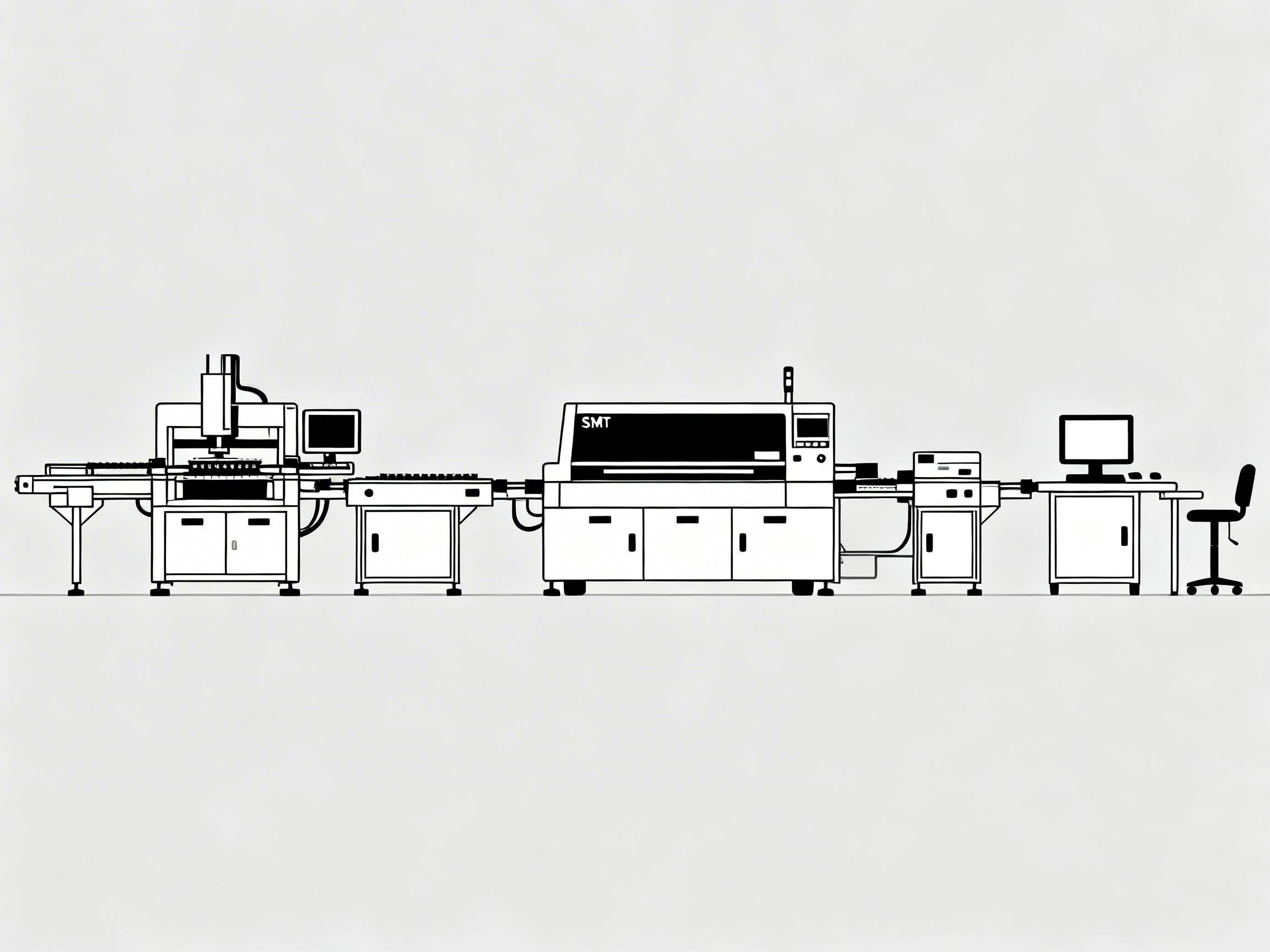
Importance of Layout and Workflow Optimization
Imagine trying to find a book in a messy library—that’s what it’s like without a good layout. By optimizing how everything’s set up, you find parts faster, make fewer mistakes, and get things done quicker.
Considerations for Equipment Selection
- Speed and Volume: Check how fast the machines can work and whether they handle big jobs. The faster, the better.
- Precision: Look for machines that can put little parts exactly where they need to be.
- Scalability: Can it grow with your production demands? You want machines that you won’t have to replace as soon as you get busier.
Why This Matters
A well-designed SMT line means fewer hiccups and more time making great products. Plus, it’s crucial for keeping up with today’s fast-moving industry.
Pro Insight: Transitioning from manual to automated SMT processes can drastically reduce labor costs and improve precision, making your line more efficient and reliable.
Jace Liu is an engineer with over a decade of experience in electronics manufacturing, specializing in Surface Mount Technology equipment. At Sun and Mountain SMT, Jace has led innovation in automation and precision engineering, contributing to revolutionary advancements in SMT processes.
Monitoring and Maintenance of SMT Equipment
When it comes to keeping your SMT line running like a well-oiled machine, regular check-ups are key. Let’s dive into some strategies to make that happen.
Set a Maintenance Schedule
Regular maintenance keeps your machines happy and your line smooth. Set up a schedule that works for your operation. Routine checks help you catch small issues before they become big problems.
Key Performance Indicators (KPIs) in SMT
How do you know if your line is working well? By looking at KPIs like:
- Overall Equipment Effectiveness (OEE): Measures if your machines are running as they should.
- Mean Time Between Failures (MTBF): Tells you how long machines run without a hiccup.
- Mean Time to Repair (MTTR): The quicker you fix an issue, the better.
These KPIs make it easy to spot trouble and keep everything on track.
Expert Tip: Effective strategies for reducing downtime include having spare parts ready and training your team well to spot issues before they stop everything.
Troubleshoot in Real-time
When something does go wrong, fixing it fast is important. Keep an eye on those KPIs to catch issues as they happen. A strong troubleshooting plan makes all the difference.
Machines at Sun and Mountain SMT are designed for easy maintenance, reducing the need for constant interventions and ensuring that your line keeps moving. So, stay proactive, and your equipment will thank you in reliability returns.
By setting clear expectations and keeping maintenance top of mind, you pave the way for a smooth and successful SMT operation.
Future Trends in SMT Assembly
What’s next for SMT assembly? Well, 2026 is a big year for technology leaps. Companies are going high-tech with AI, robotics, and green practices that make everything run smoother and cleaner.

Emerging Technologies to Watch
AI is a game-changer. Imagine machines that learn from data and predict what might go wrong before it happens. That’s what AI does. Plus, robotics are getting smarter too. They’re working with human operators, making sure everything is just perfect.
From Old to New
In the past, manual work was the norm. But now, with automation, things are faster and more accurate. Sun and Mountain SMT’s innovations are leading the way with machines that use less energy and materials. This is great for both the planet and the pocketbook.
What This Means for the Future
SMT assembly is becoming more precise and efficient. Factories can produce more, waste less, and adapt to new challenges. If you’re in this field, these trends mean more opportunities to grow and improve your processes.
From Our Experience: Upcoming technologies will make SMT processes even more agile and responsive, transforming workflows in novel ways.
By embracing these future trends, companies can stay ahead in a competitive industry, always ready for the next big thing.
Explore more about future SMT technologies to see how they can transform your operations.
Conclusion: The Future of SMT Assembly
In 2026, SMT assembly continues to evolve, combining precision, automation, and sustainable practices. The industry is realigning itself with the demands of faster, cleaner, and more efficient processes. Embracing technologies like AI and robotics is not just an option, it’s a necessity for staying competitive.
For those in the electronics manufacturing sector, adapting to these changes can mean expanded opportunities. Harnessing advancements in technology will drive growth and innovation, keeping factories agile and responsive to market needs.
At Sun and Mountain SMT, we’re committed to leading the charge with our cutting-edge equipment designed to meet the demands of modern manufacturing. Our products emphasize automation, precision, and sustainability, catering to both EMS and OEM clients striving for excellence.
Expert Conclusion: Staying ahead in SMT assembly means embracing change and leveraging new technologies. By doing so, manufacturers can maintain a competitive edge, reduce costs, and enhance efficiency, ensuring long-term success in an ever-changing industry.
By implementing these insights, businesses can not only streamline their operations but also position themselves as leaders in the highly competitive field of SMT assembly. Always be ready for the next big innovation, because in this industry, there are no limits to what’s possible.
Related SMT Equipment
Looking for equipment to support your manufacturing line? S&M offers a full range of SMT equipment:
- SMT Reflow Ovens — Nitrogen and air atmosphere, 8-15 zones, dual-track options
- Wave Soldering Systems — Standard and selective soldering, 350-610mm tunnel
- PCB Loaders & Unloaders — Magazine-based automated board handling
- PCB Buffers — Storage and cooling buffers for production line balancing
- Curing Ovens — UV and thermal curing for coatings and adhesives
Contact our application engineers for equipment recommendations and line configuration support.