
Published: 09 April 2026
Reading Time: 12 minutes
Reviewer: Dr. Alice Chang, Engineering Expert
EMS vs OEM Manufacturing: A Definitive Guide to Trends, Innovations, and Future Outlook
Do you ever wonder who makes all the electronic gadgets we rely on every single day? From the phone in your hand to the circuits inside your car, there’s a fascinating manufacturing journey most people never think about. This journey often includes a team effort by two big players in the industry: EMS and OEM manufacturers.
In this guide, we’ll dive into what EMS and OEM manufacturing are, how they work together, and why their roles are reshaping the electronics industry in 2026. We’ll cover everything from their differences to the trends driving innovation—and even peek into the future to see what’s next.
Let’s dive in.
Jace Liu, an experienced engineer in electronics manufacturing, holds a degree in Electrical Engineering with over 10 years of experience in the field. His work centers around leveraging advanced technologies to improve manufacturing processes.
Introduction to EMS and OEM Manufacturing
When it comes to electronics, two main types of manufacturers keep the wheels turning: EMS providers and OEM companies. EMS stands for Electronics Manufacturing Services, while OEM refers to Original Equipment Manufacturers. These terms might sound complex, but their roles are pretty straightforward.
EMS providers are like expert builders; they design, assemble, test, and sometimes repair products for other companies. These companies (usually OEMs) handle conceptualization, branding, and selling the finished products—but rarely get involved in the actual manufacturing steps. How’s that for teamwork?
What Makes EMS and OEM Essential?
The electronics industry depends on this collaboration. OEMs focus on innovation and customer sales, while EMS providers handle production at scale. This setup lets OEMs skip the hassle of managing factories or purchasing expensive equipment. Instead, they leave manufacturing to EMS teams that specialize in making high-quality components affordably.
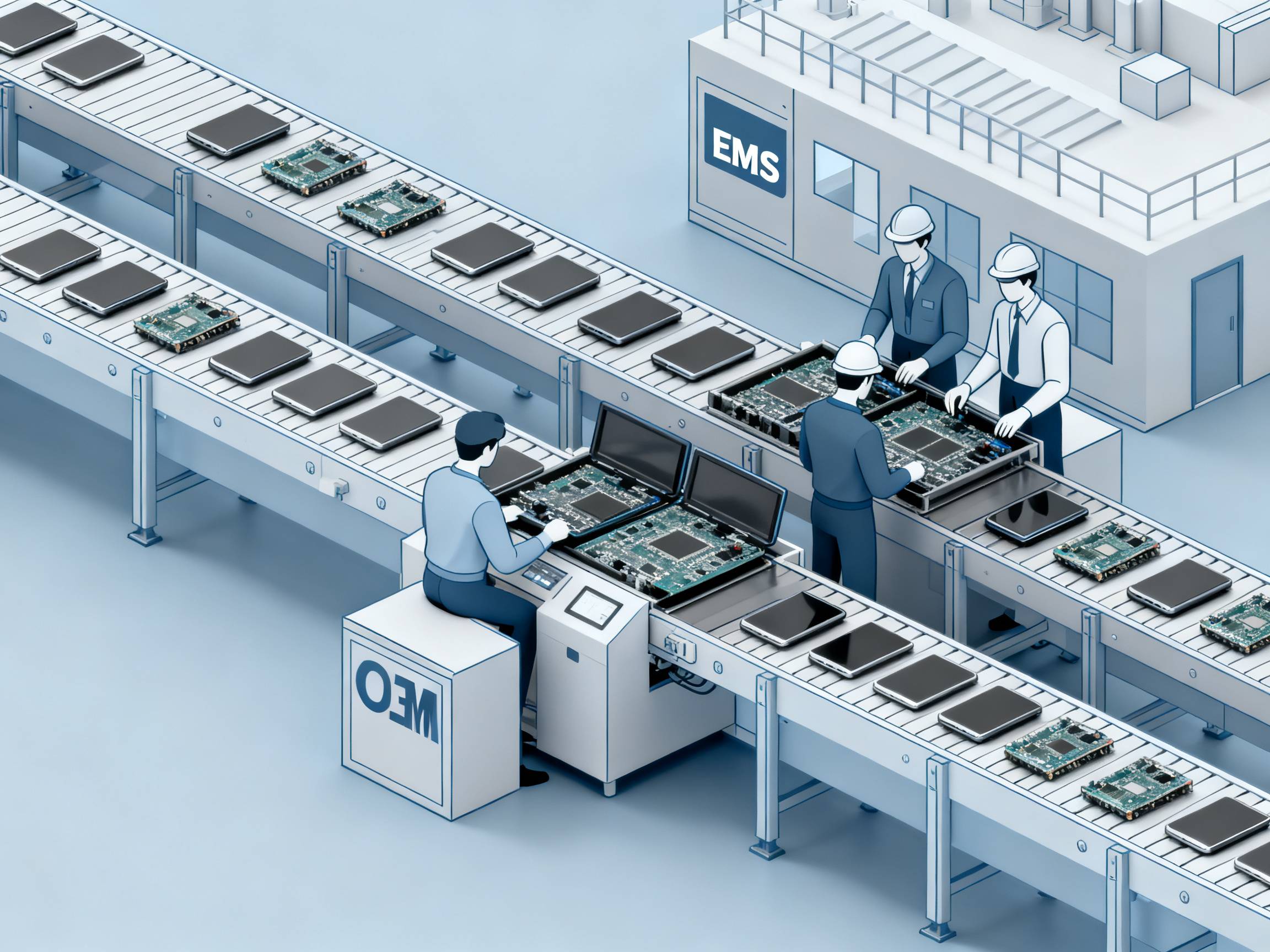
It’s a win-win situation. OEMs can stick to designing and selling, while EMS companies take charge of the production line. In fact, companies like Sun and Mountain SMT make cutting-edge equipment (like reflow ovens or wave soldering machines) that help EMS manufacturers operate efficiently.
Currently Trending in 2026
Now more than ever, innovation is at the heart of electronics manufacturing. Trends like automation, AI-driven robotic systems, and real-time data monitoring are reshaping assembly lines around the globe. Companies are switching to advanced machines to reduce downtime and boost precision. EMS manufacturers, especially, are leading the way by adopting smart manufacturing techniques to keep up with soaring global demand.
Pro Insight: Precision is the backbone of electronics manufacturing. Even the slightest error can result in defective products or unhappy customers. To stay competitive, EMS companies are continually investing in high-tech machinery that ensures each part is made with near-perfect accuracy.
Key Differences Between EMS and OEM Manufacturing
Understanding the differences between EMS (Electronics Manufacturing Services) and OEM (Original Equipment Manufacturers) sheds light on why this partnership works so well. Each plays a distinct role, yet their collaboration is key to producing the electronics we use every day.
EMS Providers: The Builders
EMS providers handle all the technical stuff: they design, assemble, test, and even repair electronics for OEMs. They’re like the engineers behind the scenes who make sure everything runs smoothly. One standout characteristic of EMS is that they offer “turn-key” solutions to OEMs. This means EMS companies take care of things like PCB assembly, global distribution, and even repairs after products are sold. They’re known for their specialized processes, like surface mount technology, which allows for super-efficient and precise production.
But, there’s an important piece to remember. EMS providers don’t own the intellectual property (IP) of the products they manufacture. All the ideas and branding belong to OEMs. This separation makes the partnership unique—you get creativity on one side and precision on the other.
OEMs: The Inventors
OEMs, on the other hand, focus on innovation and branding. They’re the creative minds dreaming up the tech and deciding what features go into products. Unlike EMS providers, OEMs don’t usually build or operate factories. Instead, they let EMS companies handle production so OEMs can stick to what they do best: product development and marketing.
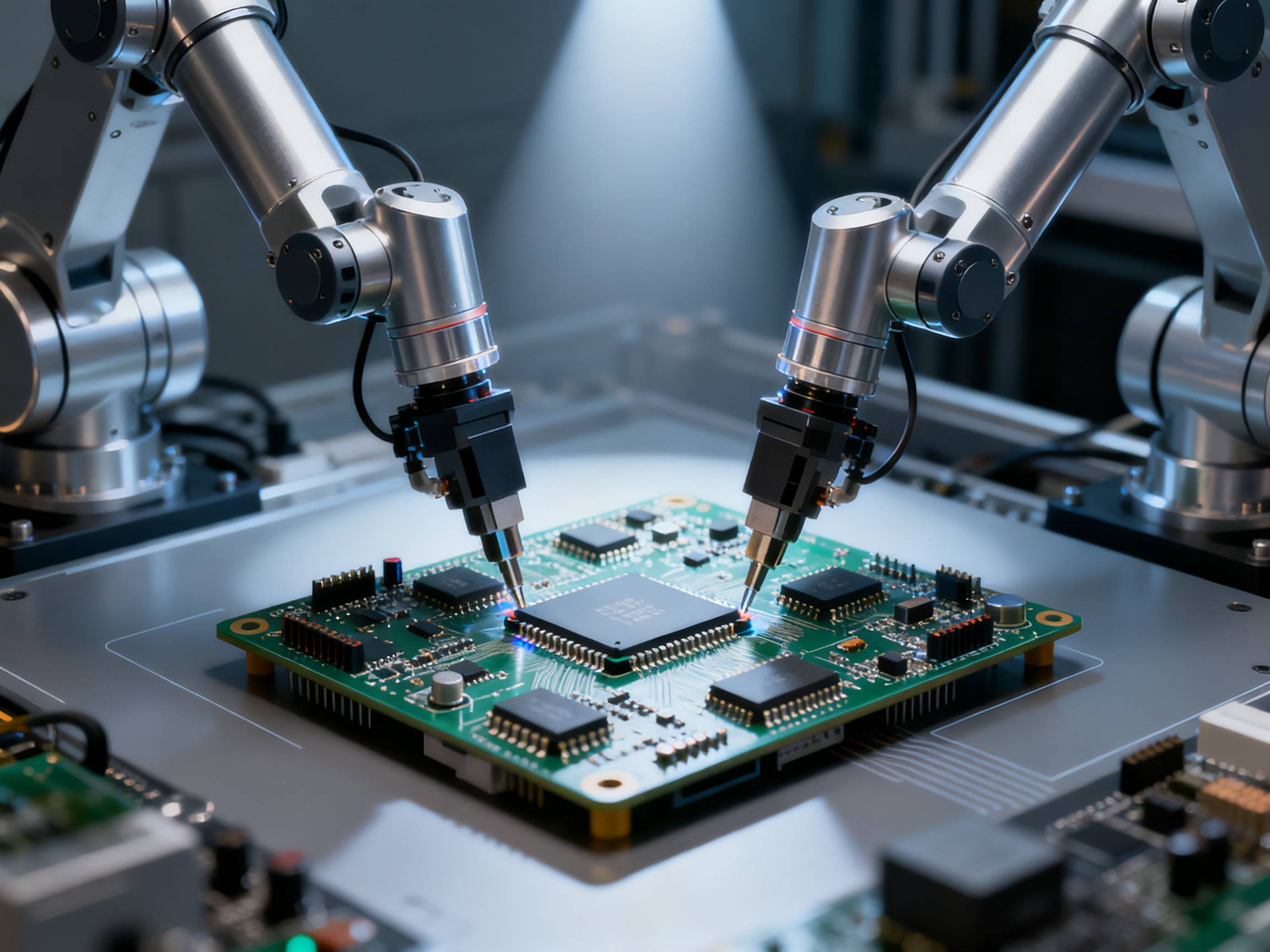
OEMs also retain full IP ownership. All the designs, patents, and product branding stay with them, even though an EMS provider may be the one assembling their gadgets. This focus helps them stay nimble and adapt to changing market demands.
EMS vs OEM Cost Comparison
Cost is often a big reason OEMs pick EMS providers for manufacturing. Building large-scale production facilities can cost millions, not to mention the expense of running those facilities every day. By outsourcing to EMS providers, OEMs cut those operations costs significantly. This lets them focus their budget on design and marketing instead.
On the flip side, EMS providers benefit too. Handling high-volume production ensures stable revenue, making this partnership a win-win. For example, equipment like Sun and Mountain SMT’s reflow ovens optimizes assembly lines by reducing downtime and increasing efficiency; this helps keep costs down for both parties.
Efficiencies and Scalability
EMS providers shine when it comes to efficiency and scalability. Their factories can ramp up production quickly to meet demand—whether it’s for cell phones or medical devices. EMS also invests heavily in automation and cutting-edge tech, helping products get made faster with fewer errors.
OEMs gain a ton from this. Instead of worrying about hiring factory staff or purchasing expensive machinery, they can scale up production through outsourced EMS companies as their needs grow.
Expert Tip: Manufacturing costs hinge on volume, precision, and equipment efficiency. Partnering with EMS providers lets OEMs leverage economies of scale, cutting costs without sacrificing quality.
All of this adds up to one key takeaway: EMS and OEM partnerships aren’t just practical—they’re essential for keeping the electronics industry moving forward.
Innovations in EMS and OEM Manufacturing
In 2026, both EMS and OEM manufacturers are embracing game-changing technologies to stay ahead. These advancements aren’t just trendy; they’re transforming what electronics manufacturing can do. Let’s talk about how automation, integration, and innovation are driving this shift.
Automation and Robotics: Where Precision Meets Speed
Automation has reshaped the production floor for EMS providers. With AI-driven robotic systems, manufacturing now delivers faster results with fewer errors. Robots don’t just boost precision; they also reduce human intervention, which cuts labor costs and downtime. Take SMT equipment like reflow ovens from companies like Sun and Mountain SMT—these machines help EMS providers reach unmatched quality and efficiency.
For OEMs, this automation means they get products faster, which helps them meet tight market deadlines. It’s good for everyone, really.
Integration of Cutting-Edge Tech
Another big thing is how EMS companies are using real-time data and advanced monitoring. Smart systems give manufacturers the tools to trace parts and track errors before they snowball into big issues. Imagine you’re assembling a circuit board. Real-time monitoring means every piece is accounted for. No misplaced components or assembly mistakes.
OEMs love this because the products they sell are almost guaranteed to be high quality. Plus, it builds trust with consumers.
AI, IoT, and Beyond for Smarter Workflows
EMS and OEM manufacturers are also turning to AI and IoT (Internet of Things). These technologies make production lines smarter. AI predicts machine problems before breakdowns happen; IoT sensors ensure machines work together seamlessly. With these tools, EMS providers can scale up or down depending on product demands without wasting resources.

This adaptability is one reason EMS companies are becoming even more essential partners for OEMs. It’s great to know your production line can adjust in real-time when demand spikes.
Expert Tip: Future trends in electronics manufacturing include even more advanced AI systems that predict consumer needs. Staying ahead requires constant tech adaptation, especially for EMS providers looking to keep up with global growth.
Current Trends in EMS and OEM Collaboration
If 2026 has taught us one thing, it’s this: EMS and OEM partnerships are stronger than ever. They’re no longer just business deals; they’re collaborations that drive innovation.
Sustainability Takes the Spotlight
Both EMS and OEM manufacturers are adapting their methods to reduce waste. From energy-efficient production to recyclable components, there’s a big move toward sustainability. Sun and Mountain SMT, for example, designs machines with energy savings in mind, so factories can cut operating costs while being eco-friendly.
Reshoring Operations
We’re also seeing reshoring as a big trend. Global disruptions have forced companies to rethink reliance on foreign suppliers. EMS providers are setting up facilities closer to OEM hubs, cutting shipping costs and speeding up delivery times. In North America and Europe, this trend is growing fast.
Consumer-Driven Manufacturing
What are people buying right now? How are trends changing? These questions push OEMs to tweak their designs constantly. And EMS companies are adapting by building flexible lines to respond quickly to what consumers want next. It’s like turning the assembly line into a predictive tool for demand.
Expert Insight: From my experience working with OEMs, consumer demand can change fast. Flexibility in production is key to staying competitive, especially when new tech bursts onto the scene.
Future Outlook for EMS and OEM
What does the future hold for EMS and OEM partnerships in electronics manufacturing? The picture is clear: growth, innovation, and sustainability will lead the way. Companies are gearing up for big changes as technology keeps evolving and market demands shift.
Growth in Emerging Markets
One major factor shaping the future is the impact of emerging markets. Regions like Southeast Asia and Africa have seen a spike in consumer electronics demand. EMS and OEM companies are now targeting these areas to unlock new production opportunities. Local manufacturing hubs are growing, fueled by investments in modern infrastructure, reduced labor costs, and improved supply chain systems.
If you’re an OEM looking to scale globally, these markets might be your next big move. Plus, EMS providers benefit by building facilities closer to these emerging buyers, cutting shipping costs and opening doors to faster production timelines.
Pushing Sustainability Further
Sustainability isn’t just a trend; it’s becoming a business priority. By 2026, both EMS and OEM manufacturers are doubling efforts to reduce waste at every step of production. Sun and Mountain SMT, for example, offers machines designed to limit resource use (without sacrificing performance), paving the way for more eco-friendly manufacturing.
There’s also pressure from governments and consumers for greener products. Companies that prioritize sustainability are likely to win favor with eco-conscious customers—and stay compliant with stricter environmental regulations in markets like Europe and North America.
Technologies That Will Shape Tomorrow
The technology landscape for EMS/OEM is evolving fast. While AI, IoT, and robotics have already made significant waves, future advancements promise even more efficiency. Think predictive manufacturing models where machines and workflows adapt based on real-time consumer insights or supply chain data.
Another area showing promise is quantum computing. While it may sound futuristic, its integration into supply chains could lead to faster data processing speeds, reorganized systems, and unbeatable manufacturing reliability. These tools will eventually enhance how EMS and OEM companies plan production, optimize logistics, and meet growing consumer needs.
Collaborative Innovation
The partnership between EMS and OEM manufacturers is set to become more collaborative than ever. With more OEMs relying heavily on EMS providers, they’ll need innovative ways to work together beyond just logistics. Joint design projects, shared R&D efforts, and co-investments in sustainability tech will likely emerge.
At the heart of this collaboration lies flexibility and adaptation. EMS providers are moving away from rigid production models, offering OEMs the ability to adjust workflows easily to match demand fluctuations. This agility will be vital as electronics markets evolve rapidly.
Expert Tip: The next step for EMS and OEM partnerships involves deeper collaboration on sustainable manufacturing goals. Shared investment in eco-tech will drive both profits and environmental impact.
The future of electronics manufacturing is exciting, packed with opportunity, and full of innovation. As EMS and OEM manufacturers continue to evolve and adapt to the needs of 2026 and beyond, their partnerships will play a critical role in shaping what’s next for the global electronics industry.