
Published: 21 May 2026
Reading Time: 8 minutes
Reviewer: [Placeholder for Reviewer], [Placeholder for Credentials]
Industrial Curing Ovens: Comprehensive Guide to Temperature Control and Efficiency
When you think about electronics manufacturing, curing ovens might not be the first thing that comes to mind. But these machines? They’re the backbone of precision and durability in this industry. Whether it’s adhesives holding components together or protective coatings preventing wear and tear, curing ovens are essential for getting the job done well.
Now, let’s talk about what makes these ovens unique. There’s a wide range of types out there, each with a specific role in manufacturing processes. From batch ovens for small production runs to in-line designs perfect for high-volume throughput, there’s plenty to explore. And I promise, by the end of this guide, you’ll have a solid understanding of how they work, why they matter, and how they can help boost production efficiency.
[Author Name] is a specialist in manufacturing technologies with 15+ years of experience in industrial systems such as curing ovens and soldering equipment. Their expertise lies in optimizing precision and energy efficiency for electronics manufacturing processes.
What Are Curing Ovens And Why Are They Used?
Curing ovens are machines designed to apply heat, pressure, or UV light to specific materials to harden or stabilize them. They’re used in industries like electronics, automotive, and aerospace for curing adhesives, coatings, and other materials. Their purpose is to improve durability, refine quality, and ensure precision during production.
In electronics manufacturing, curing ovens play a big role. They help create strong bonds for small components and add protective layers that resist wear, moisture, and chemicals. Without them, production might depend on low-quality materials that don’t perform well over time.
Types of Industrial Curing Ovens
Here are some of the most common types:
- Batch ovens: Perfect for smaller batches or varied materials; they’re super precise.
- Continuous or in-line ovens: These work seamlessly on production lines, making them ideal for high-volume jobs.
- UV ovens: Quick and versatile, best for curing coatings and inks.
- Infrared ovens: Great for targeted curing, especially on heat-sensitive materials.
- Hybrid ovens: These combine techniques, like infrared plus convection, for maximum flexibility.
- Pressure curing ovens: Essential for chip packaging or any application needing void-free curing.
Each type serves a specific purpose, so choosing the right one depends on your application needs.
Applications In Electronics Manufacturing
In electronics, curing ovens are used to process adhesives, encapsulants, and soldering materials for components like SMT (Surface Mount Technology) chips, PCBs (Printed Circuit Boards), and semiconductors. Electronics manufacturers rely on curing ovens to:
- Bond materials securely.
- Apply high-quality protective coatings.
- Enhance resistance to environmental factors like heat or moisture.
- Ensure components meet tight precision requirements.
For industries producing high-tech devices, using curing ovens correctly can mean the difference between billions of dollars in revenue and costly product failures.
Expert Tip: For accurate temperature adjustments during curing, set parameters based on material specifications and regularly calibrate controls for consistent outputs.
Next up, let’s dive deep into how precision temperature control impacts curing oven efficiency. Stay with me!## The Role of Temperature Control in Industrial Curing Ovens
Temperature control in curing ovens isn’t just about setting a number and walking away. It’s a critical factor in ensuring product quality and production efficiency. Poor temperature settings? That leads to inconsistent curing and subpar results. Sometimes, it even damages the materials or components being processed. And in industries like electronics manufacturing, those mistakes can cost millions.
Why Precision Temperature Control Matters
Getting the right temperature is everything for curing ovens. Different materials need specific temperature ranges to hold up under testing and use. For example, curing adhesives for small PCBs might need lower heat compared to what’s required for large assemblies with thick coatings. If the temperature is off, adhesives might create weak bonds or coatings could end up brittle.
This is where temperature control comes in. Modern curing ovens come equipped with sensors and advanced controls that allow operators to tweak settings based on material specifications. These systems ensure stable results throughout the entire cycle. It’s less guesswork, more accuracy.
What Happens When Temperature Settings Are Off?
Improper settings can lead to defects, wasted resources, or even damaged parts. Here are just a few of the ways bad temperature settings impact production:
- Weak bonds: Adhesives may not cure properly, leading to fragile connections.
- Inconsistent coatings: Protective layers won’t have uniform resistance to moisture and chemicals.
- Material damage: Heat-sensitive materials could warp or degrade.
So, quality suffers, but efficiency takes a hit too. Fixing failed batches can slow production lines, increase costs, and frustrate teams trying to meet tight deadlines.
Matching Temperature to Material Needs
Here’s how different applications align with corresponding temperature ranges:
| Application | Temperature Range | Why It Matters |
|——————————-|————————-|————————|
| Small PCBs | ~150–200°C | Prevents overheating and ensures solid bonding. |
| Large assemblies | ~300–500°C | Handles thicker coatings or heat-resistant adhesives. |
| SMT adhesive curing | ~200–300°C | Enables fast and complete bonding of surface-mount components. |
| Semiconductor encapsulation | ~400°C+ | Ensures void-free curing to protect delicate chips. |
| UV coatings | ~UV wavelength control | Requires precise UV exposure rather than just temperature. |
Matching the right temperature to the material isn’t just a recommendation; it’s a necessity.
Expert Tip: For accurate temperature adjustments during curing, set parameters based on material specifications and regularly calibrate controls for consistent outputs.
Through careful temperature management, curing ovens help manufacturers achieve consistent quality and avoid wasting resources due to errors.
Next up, we’ll explore how energy efficiency has become a major focus in modern curing oven designs. Let’s dig deeper into how advancements in this area are optimizing operations.> Published: 21 May 2026
Reading Time: 8 minutes
Reviewer: [Placeholder for Reviewer], [Placeholder for Credentials]
Energy Efficiency: An Essential Feature in Modern Curing Ovens
Energy efficiency is a big deal when it comes to curing ovens. Not only does it help save on operating costs, but it’s also critical in meeting sustainability goals that are more relevant than ever in 2026. With rising energy costs and stricter regulations worldwide, manufacturers are looking for ways to cut energy use without sacrificing performance.
Factors Contributing to Energy Efficiency in Curing Ovens
What actually makes a curing oven energy-efficient? It’s not one single feature, but a combination of design, technology, and usage practices. Here are some key factors that come into play:
- Optimized insulation material: Modern curing ovens are designed with advanced insulation that reduces thermal loss, keeping heat in the chamber where it belongs.
- Variable speed fans: These fans adjust their speed based on workload, minimizing energy usage during low-demand periods.
- Heat recovery systems: Instead of letting heat escape, these systems capture it and reuse it for other processes.
- Smart controls: With the integration of IoT (Internet of Things) technologies, ovens today can optimize their energy use automatically in real-time.
- Low-energy start cycles: Startup processes now consume less power, avoiding energy spikes that older models were notorious for.
Technologies Enhancing Energy-Saving Capabilities
Speaking of cutting-edge tech, curing ovens are getting smarter. Heat recovery systems, for example, use advanced sensors to redirect unused heat back into the chamber. This process significantly lowers the amount of energy needed to maintain high temperatures. Some ovens also have predictive maintenance tools that alert operators before issues arise, improving both energy use and operational uptime.
You’ll also find models today equipped with smaller, more efficient heating elements and UV lamps. These improved designs mean manufacturers spend less on energy and get consistent results across production runs.
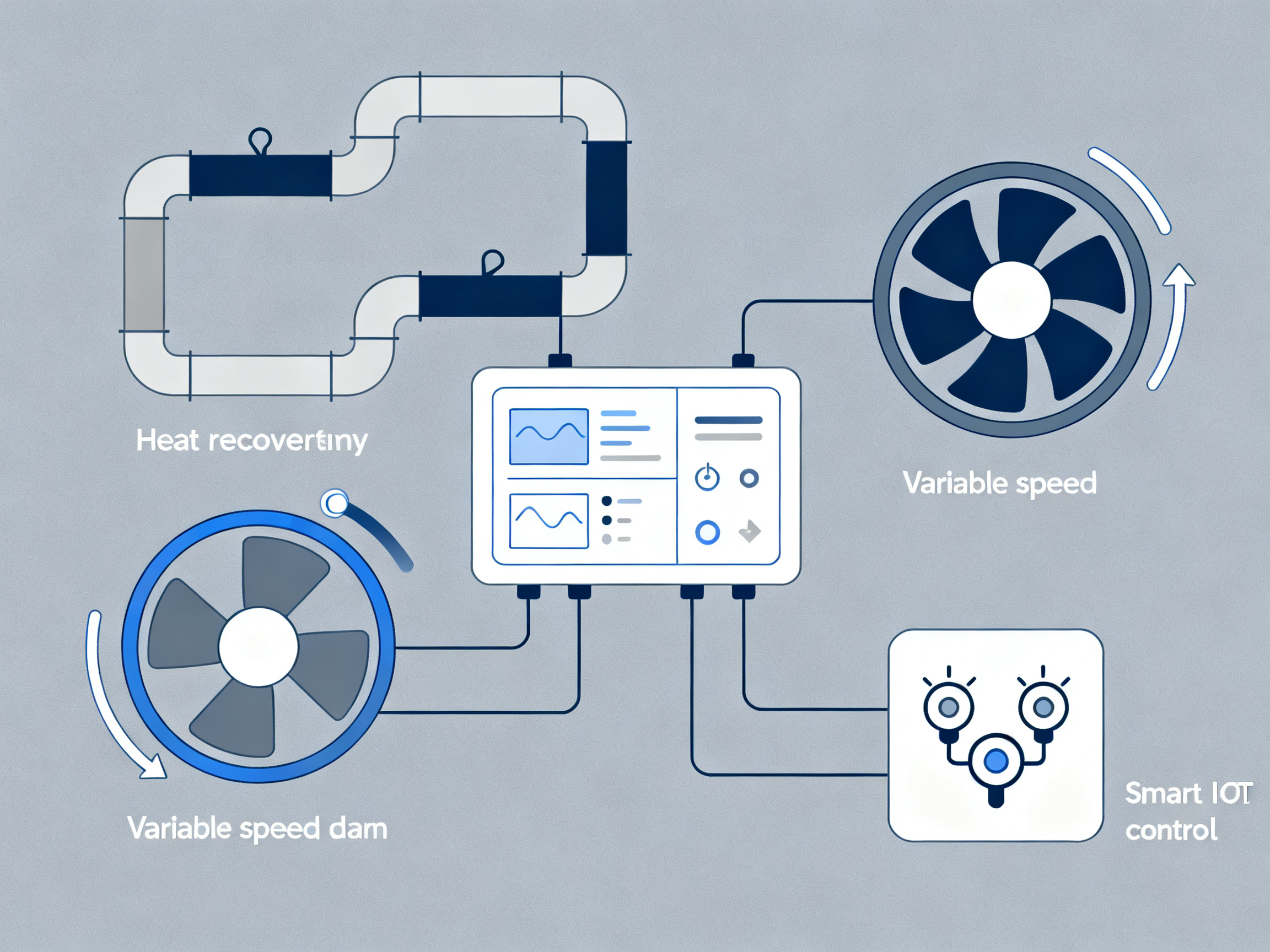
Comparative Savings: Energy-Efficient Models vs. Legacy Curing Ovens
Here’s the kicker: upgrading to an energy-efficient curing oven can save manufacturers up to 40% energy compared to legacy models. If your business spends $10,000 a month on energy for curing ovens, switching to a newer design could save you $4,000 monthly. That adds up to $48,000 annually, which is a pretty convincing reason to invest in modern equipment.
Let’s look at even more savings:
| Feature | Legacy Curing Oven | Energy-Efficient Curing Oven |
|———————-|—————————–|———————————-|
| Insulation quality | Poor (high thermal loss) | Excellent (minimal heat waste) |
| Heat recovery | None | Advanced systems in place |
| Energy usage (monthly)| ~$10,000 | ~$6,000 |
| Maintenance costs | High (frequent repairs) | Low (predictive maintenance) |
Pro Insight: Maximize energy savings by tailoring each curing oven’s settings to the materials being processed. Use heat recovery systems and monitor system usage to prevent unnecessary energy consumption.
Energy efficiency isn’t just a buzzword. It’s a practical way to cut costs, meet sustainability goals, and stay competitive in a market that’s always pushing forward. In the next section, we’ll explore how future advancements in curing ovens can further boost performance and energy savings. Stay tuned!## Future Trends in Industrial Curing Ovens: Advancements and Innovations
Let’s talk about where curing oven technology is headed. Manufacturers are pushing boundaries to bring faster, more efficient, and even smarter designs to market. These advancements mean better quality, lower costs, and happier production engineers. After all, who doesn’t want less stress on the job?
Here’s how things are evolving:
Groundbreaking Innovations in Temperature Control
Temperature control systems are becoming highly adaptive. Modern curing ovens can now self-calibrate based on the material being processed. These systems use real-time sensors and AI to adjust temperatures mid-cycle, which means fewer errors and less manual intervention. For instance, if a batch of adhesives shows uneven heating, the oven can tweak its output automatically to fix the issue in seconds.
Some models are also introducing zoned temperature controls. This allows different parts of the oven to operate at unique temperatures simultaneously, perfect for hybrid processes that handle diverse materials in one go. Think of it like having a multi-zone home heater—each area gets just the heat it needs (and nothing extra).
Automation Takes Center Stage
Automation is revolutionizing curing ovens, with robots and IoT-enabled features reducing the need for hands-on oversight. Operators can now monitor everything remotely through mobile apps or centralized control hubs. Want to check oven performance while sipping coffee in another building? That’s not just possible—it’s becoming standard.
Predictive maintenance tools are also a game changer. These features anticipate wear and tear based on usage patterns and alert operators before something breaks. Less downtime, lower repair costs, and no last-minute part replacements. It’s like having a crystal ball for your machinery.
Energy Efficiency is Reaching New Heights
We’ve already seen significant improvements in energy efficiency, but future ovens will take this even further. Advanced heat recovery technologies, for example, are becoming more sophisticated. Upcoming designs can recycle up to 90% of lost heat, meaning the system practically powers itself.
Additionally, lighter materials for oven construction are trimming down energy use. By reducing mass, these models require less power to heat and maintain target temperatures. It’s a simple change, but it has massive benefits in energy savings.
The Rise of Eco-Friendly Designs
Sustainability is a hot topic in 2026, and curing ovens are no exception. Expect more models to use green construction materials and focus on reducing their carbon footprint. Companies are also beginning to design ovens for easy recycling once they reach the end of their lifecycle.
For manufacturers looking to stay ahead, eco-friendly features aren’t just a nice-to-have—they’re becoming essential for both regulatory compliance and customer expectations.
Expert Tip: Stay ahead of the game by keeping an eye on innovations like zoned temperature controls and AI-driven maintenance alerts. These are the trends shaping the future of industrial curing ovens.
Predictions for Energy Efficiency in 2030 and Beyond
By 2030, energy-efficient curing ovens might not just lower energy bills—they could function with net-zero energy consumption. Experimental models are already exploring ways to harness renewable energy sources like solar or geothermal to power their systems entirely. Imagine an oven that works seamlessly without adding a single cent to your electricity costs. It’s closer than you think.
On top of that, real-time analytics will likely evolve even further. Instead of optimizing just for one job, future ovens will analyze multiple cycle outcomes to fine-tune settings automatically for upcoming runs. Machine learning plays a huge role here, paving the way for smarter, more adaptable production lines.
The future of curing ovens looks pretty exciting, doesn’t it? For manufacturers, innovations in temperature control, automation, and energy efficiency mean staying competitive and efficient in an ever-changing market. Those who adopt these trends early on will see the biggest gains, from cost savings to better product quality. What’s not to love?
In the quickly advancing world of industrial curing ovens, one thing remains clear: innovation drives success. By staying informed and investing in the latest technologies, you can build a more efficient, eco-friendly, and competitive manufacturing process. The future? It’s already knocking on the door.