
SMT Manufacturing: Trends, Processes, and Industry Statistics for 2026
Published: 16 April 2026
Reading Time: 12 minutes
Reviewer: Placeholder Reviewer, Expert in electronics manufacturing processes
You know those sleek phones and electric vehicles flooding the market in 2026? They wouldn’t exist without the massive influence of SMT manufacturing. Surface Mount Technology (SMT) makes modern electronics smaller, faster, and insanely powerful by mounting components directly onto printed circuit boards (PCBs). It’s everywhere, and its impact keeps growing. Today, SMT is the backbone of industries like automotive, IoT, and edge computing. So, we’re diving deep into what’s making SMT tick: the newest trends, key processes, and the numbers driving global growth.
Jace Liu specializes in electronics and manufacturing innovations, particularly Surface Mount Technology (SMT). Having analyzed advancements in SMT processes, Jace’s expertise makes him a credible voice on industry updates and best practices.
What is SMT and Why Does it Matter in 2026?
First things first: SMT manufacturing is all about mounting components directly onto the surface of PCBs rather than inserting them through holes. This process allows for compact designs, automated assembly lines, and better performance. In a world obsessed with miniaturization (look at the size of your smartwatch!) and efficiency, SMT hits all the right notes.
But let’s not think of it just as a technical process. SMT is the secret sauce enabling breakthroughs in IoT, 5G networks, and automotive technology. Without it, businesses wouldn’t meet today’s demand for ultra-fast, compact devices. And with a booming market projected to reach between USD 5.70–7.50 billion by 2030, SMT’s importance will only keep growing.
Why is SMT Essential for Global Industries?
Here’s why SMT is everywhere you look in 2026:
- Scalability: SMT supports industries producing millions of high-tech gadgets annually. Companies like Sun and Mountain SMT offer equipment designed for speed and precision, reducing downtime and manual interventions.
- Miniaturization: Think smartphones that weigh less than a pound or electric cars full of compact circuit boards. SMT helps achieve small, powerful designs.
- Automation: SMT integrates seamlessly into automated manufacturing lines, cutting operational costs and ensuring low-error assembly.
In short, if you’re part of OEM or EMS manufacturing, SMT isn’t optional—it’s mandatory. Big players use SMT to meet competitive demands, especially as consumers expect faster, smarter devices every year.
Aim of This Article
By the end of this, you’ll know:
- SMT manufacturing trends shaping our future (hint: AI and automation play huge roles).
- How SMT assembly processes work and why they’re critical for modern production.
- The challenges manufacturers face and how to overcome them.
Whether you’re new to SMT or a seasoned pro, let’s explore how this technology is evolving and what the numbers say about its global importance.
Understanding SMT’s Historical Progression
How did Surface Mount Technology (SMT) go from niche tech to a global industry game-changer? Let’s rewind.
Back in the early 1980s, SMT revolutionized electronics manufacturing by eliminating the need for through-hole components. Components were placed directly on PCBs, paving the way for smaller, more efficient designs. Over the years, advancements like robotic pick-and-place machines in the 1990s and lead-free solder adoption in the 2000s improved environmental sustainability and speed. Fast forward to 2026, and SMT is a cornerstone of industries like IoT, electric vehicles, and telecommunications.

Why It Matters
Think about this: Every time you use a smartphone or EV, you’re holding decades of SMT innovation in your hands. This tech enables:
- Smaller Devices: Modern gadgets pack more power into less space thanks to SMT.
- Faster Assembly: Automated SMT lines consistently churn out millions of products.
- Improved Performance: From 5G antennas to IoT sensors, SMT delivers high-performance components.
By cutting down on material costs and giving manufacturers full flexibility to scale, SMT has become a go-to for electronics manufacturing.
Expert Tip: Historical innovations like lead-free soldering weren’t just industry requirements; they improved environmental performance while maintaining product reliability.
The combination of past breakthroughs and today’s cutting-edge processes keeps SMT at the center of modern electronics production.
Emerging Trends in SMT Technology for 2026
In 2026, Surface Mount Technology (SMT) continues to make waves in electronic manufacturing. What’s driving this progress, you ask? Automation and eco-friendly innovations are at the forefront.
Automation Takes Center Stage
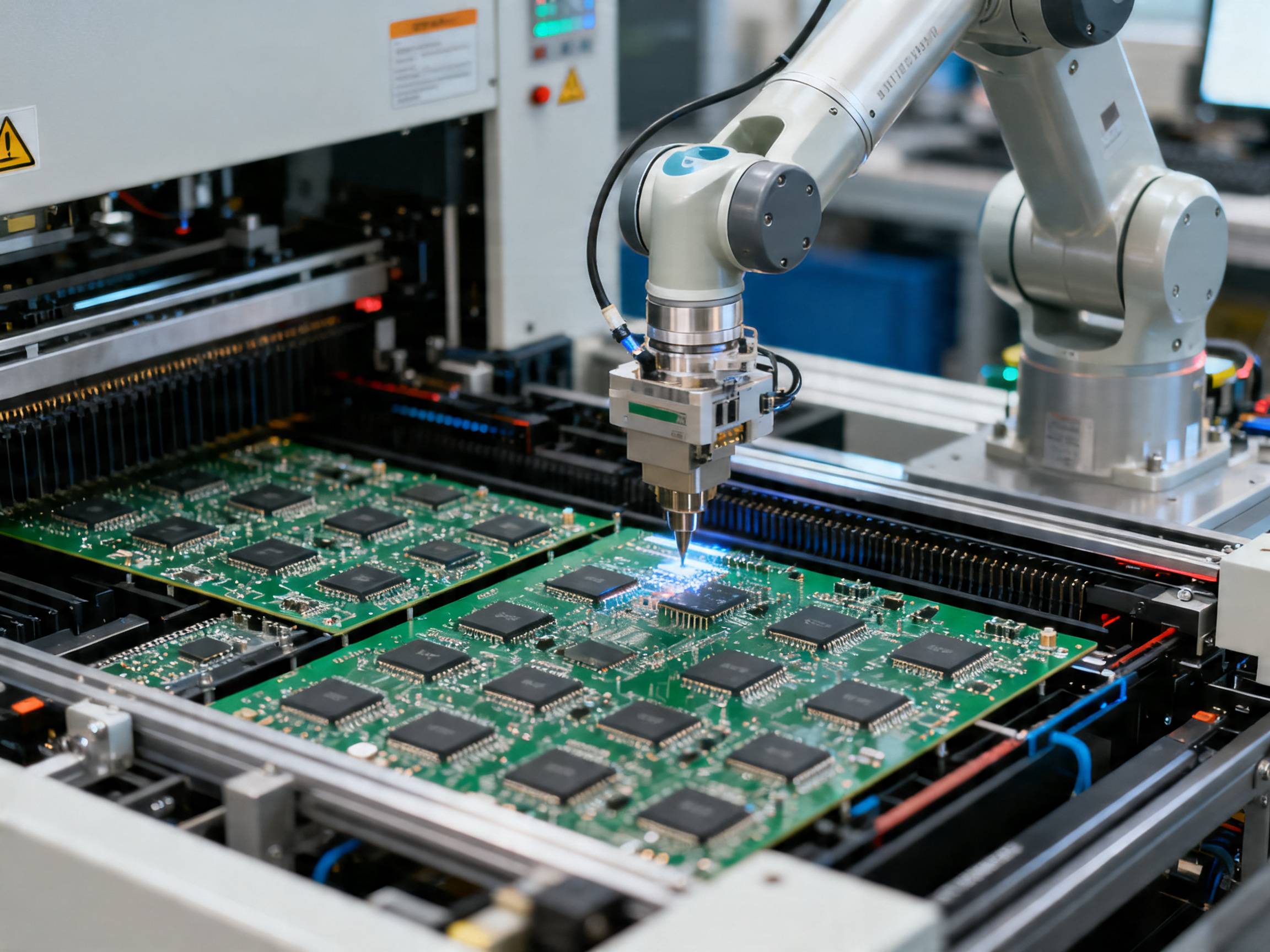
In the world of electronics, precision and speed are the names of the game. Automation in SMT processes, like using robotic assembly lines, ensures consistent quality and faster production times. Imagine a factory where machines do the heavy lifting, allowing human workers to focus on quality control and system oversight. That’s the charm of automated SMT processes.
Eco-Friendly Innovations
Manufacturers are getting greener. Modern SMT equipment focuses on reducing energy consumption and using environmentally friendly materials. Innovations like lead-free solder are not just good for nature; they also improve product reliability and durability.
Pro Insight: Automation and eco-friendly innovations are revolutionizing the efficiencies and sustainability of SMT processes, offering manufacturers cutting-edge tools for better productivity.
Companies like Sun and Mountain SMT are leading this charge, providing equipment designed to integrate seamlessly into existing production lines. They offer solutions tailored for both Original Equipment Manufacturers (OEMs) and Electronics Manufacturing Services (EMS), making it easier for businesses to adapt and thrive.
A Peek Into the Future
Looking ahead, SMT technology is poised for more breakthroughs. As industries strive for faster, more efficient production, manufacturers will likely invest heavily in AI-driven processes. Expect smarter machines that not only assemble but also predict maintenance needs, minimizing downtime.
With the growing demand in sectors like IoT and automotive, SMT’s importance will only increase. It’s not just about making smaller gadgets; it’s about making them smarter and greener. Whether you’re a seasoned pro or new to SMT, staying ahead means embracing these emerging trends.
Global SMT Market Growth in 2026
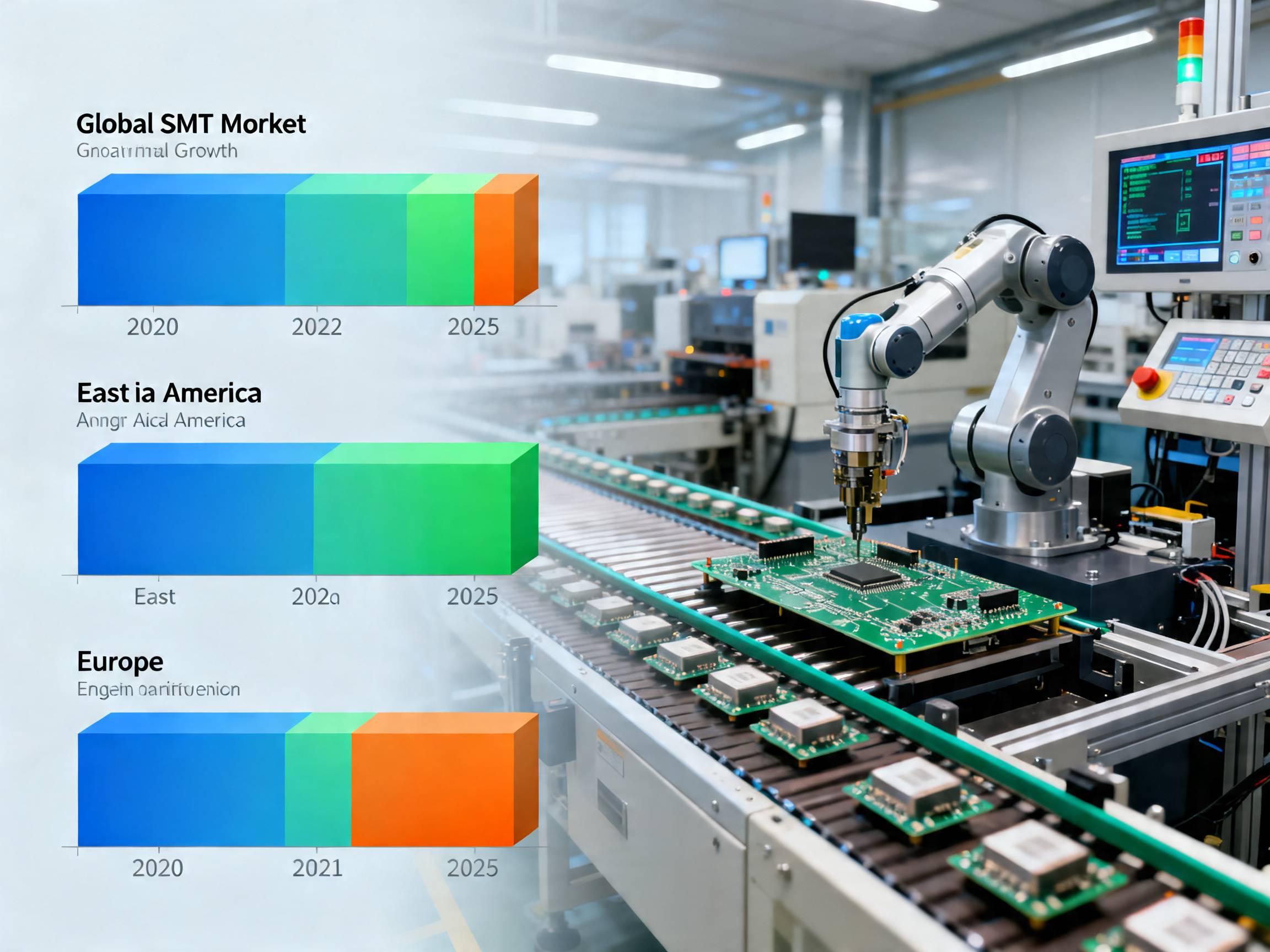
The Surface Mount Technology (SMT) market in 2026 is booming, with trends showing significant growth. This expansion is driven by increased demand in industries like IoT, automotive, and smart electronics. Let’s break this down regionally and look at the specifics fueling this surge.
Market Value and Growth Rates
The global SMT market is expected to be valued between USD 5.70 and 7.50 billion in 2026, growing at a compound annual growth rate (CAGR) of 6.6–9.5% through 2030–2034. With advancements in automation and AI-enabled manufacturing equipment, SMT continues to dominate the electronics production field.
Regional Adoption Rates
East Asia
East Asia remains a hotspot for SMT manufacturing, accounting for over 40% of global production. Countries like China and South Korea lead the charge in innovation, integrating automated lines and eco-friendly processes into their facilities. Additionally, Japan’s commitment to precision engineering bolsters its role as a key player in SMT equipment production.
North America
In North America, tech companies and startups have driven adoption. The automotive industry, especially electric vehicles, heavily relies on SMT for compact and high-performance electronics. The U.S. alone is projected to increase its SMT-related investment by over 15% in 2026, catering to booming consumer electronics demand.
Europe
Europe is turning its focus toward sustainability. As regulations tighten on electronic waste, manufacturers in regions like Germany and the Netherlands are leaning into innovations that reduce environmental impact. European firms are adopting greener SMT processes to stay competitive globally while supporting climate-conscious consumers.
Production Throughput and Investment
In 2026, manufacturers worldwide are boosting production throughput thanks to automations like robot-driven pick-and-place machines and predictive maintenance systems. These innovations are not only improving efficiency but also minimizing downtime. SMT facilities investing in AI-driven monitoring tools have seen up to 30% fewer defects, ensuring that production lines deliver consistent quality.
Sun and Mountain SMT is one such company that provides tailored solutions for production scalability. Their machines integrate seamlessly into both midsized and large-scale facilities, offering businesses the precision and reliability needed to keep pace with industry demands.
Even high-performing industries like SMT need to adapt constantly. Automation and predictive tools help manufacturers meet the world’s growing need for smarter, faster devices in 2026.
Related SMT Equipment
Looking for equipment to support your manufacturing line? S&M offers a full range of SMT equipment:
- SMT Reflow Ovens — Nitrogen and air atmosphere, 8-15 zones, dual-track options
- Wave Soldering Systems — Standard and selective soldering, 350-610mm tunnel
- PCB Loaders & Unloaders — Magazine-based automated board handling
- PCB Buffers — Storage and cooling buffers for production line balancing
- Curing Ovens — UV and thermal curing for coatings and adhesives
Contact our application engineers for equipment recommendations and line configuration support.