
Published: 26 May 2026
Reading Time: 12 minutes
Reviewer: Simon Scrapes, Founder
You know that moment when one slow handoff jams up a whole SMT line? It happens fast. A board waits a few extra seconds, operators start hovering, and suddenly the line feels less like automation and more like traffic at 5pm.
That is why modular belt conveyors matter so much in SMT and PCB production in 2026. They do more than move boards from one station to the next. The best modular belt conveyor system helps cut stops, supports cleaner transfers, and gives teams room to adapt when product mix changes. For EMS companies and OEM plants, that flexibility is a big deal.
If you’re trying to figure out what SMT PCB conveyor is best, or what SMT PCB conveyor do I need, you’re not alone. Buyers usually compare speed, belt type, frame strength, ESD safety, and how well a conveyor fits with printers, pick and place machines, inspection systems, and ovens. And yes, price matters too, especially if you’re weighing a new SMT conveyor for sale against a used PCB conveyor.
In this guide, we’ll look at the best SMT conveyors and best PCB conveyors for modern electronic assembly lines. We will also cover what features matter, where modular systems fit best, and how to choose a setup that won’t box you in six months from now.
[Author Name], a seasoned expert in electronics manufacturing technology, has over 15 years of experience in optimizing production lines through innovative equipment solutions. With a focus on precision and efficiency, [Author Name] offers valuable insights into selecting the right modular belt conveyor systems for advanced electronic assembly needs.
Why modular belt conveyors matter in SMT and PCB lines
SMT and PCB lines live or die by flow. A fast printer means very little if the next transfer point causes small delays all day. Modular conveyors help smooth that flow because they are built to be adjusted, expanded, and serviced without tearing apart the whole line. That sounds simple. But on a live factory floor, simple is gold.
A modular conveyor uses linked sections or modular belt components, so teams can swap parts, change lengths, and fit the conveyor to the line with less pain. According to JT INT’s overview of PCB conveyors for SMT lines, these systems support better throughput, easier handling, and lower error risk in electronic manufacturing. That’s the kind of gain production engineers actually care about.
We have seen this firsthand in electronics plants with mixed product runs. One week the line is handling compact control boards. Next week, longer assemblies show up and spacing needs change. That is where the best modular belt conveyor design earns its keep. You are not stuck with one rigid setup.
And there is another win here. Maintenance gets easier. If one section wears out, you can often replace that part instead of dealing with a full belt overhaul. Less downtime. Fewer headaches. Better moods on the floor, too.
For companies looking at Sun and Mountain SMT equipment, this matters because their PCB conveyor systems are built around automation, precision, and integration. That makes them a practical fit for EMS and OEM teams that want solid machine-to-machine transfer without adding a complicated side project to the production line.

Key features of the best modular belt conveyor systems
Not every conveyor that looks good in a brochure will hold up in daily use. If you are searching for the best modular belt conveyors, or comparing the best modular belt conveyor manufacturers, focus on a short list of features that affect uptime and line stability.
Here is what usually matters most:
| Feature | Why it matters in SMT and PCB production |
|—|—|
| Modular construction | Lets you change length, layout, or sections with less downtime |
| ESD-safe handling | Helps protect sensitive boards during transfer |
| Durable frame and belt | Reduces wear in high-volume environments |
| Smooth, steady transfer | Lowers the chance of board misalignment |
| Easy maintenance access | Speeds up service and belt replacement |
| Integration support | Helps fit with printers, loaders, AOI, and ovens |
| Scalable design | Makes future line expansion easier |
Reconfigurability is one of the biggest signs of a strong system in 2026. A conveyor that can grow with your line is often a better buy than one that is slightly cheaper today. Funny enough, the low sticker price can become the expensive option later.
Durability matters just as much. Belts, side rails, and support frames take a beating over time, especially in plants running long shifts. We have found that teams often ask about the best modular belt conveyor material only after wear starts showing up too soon. That is backward. It is smarter to ask up front about frame rigidity, belt segment quality, and replacement part access.
Expert Tip: Durability shapes long-term performance more than many buyers expect. A conveyor with a stronger frame and easier part replacement often costs less over three to five years because it spends more time running and less time waiting for repairs.
Low-friction movement is another detail worth watching. It can help with energy use and smoother board travel, which matters when you are moving sensitive assemblies between precise process steps. Some of the best SMT conveyor systems also make belt replacement simpler, which is handy if you are planning around service intervals instead of reacting after a failure.
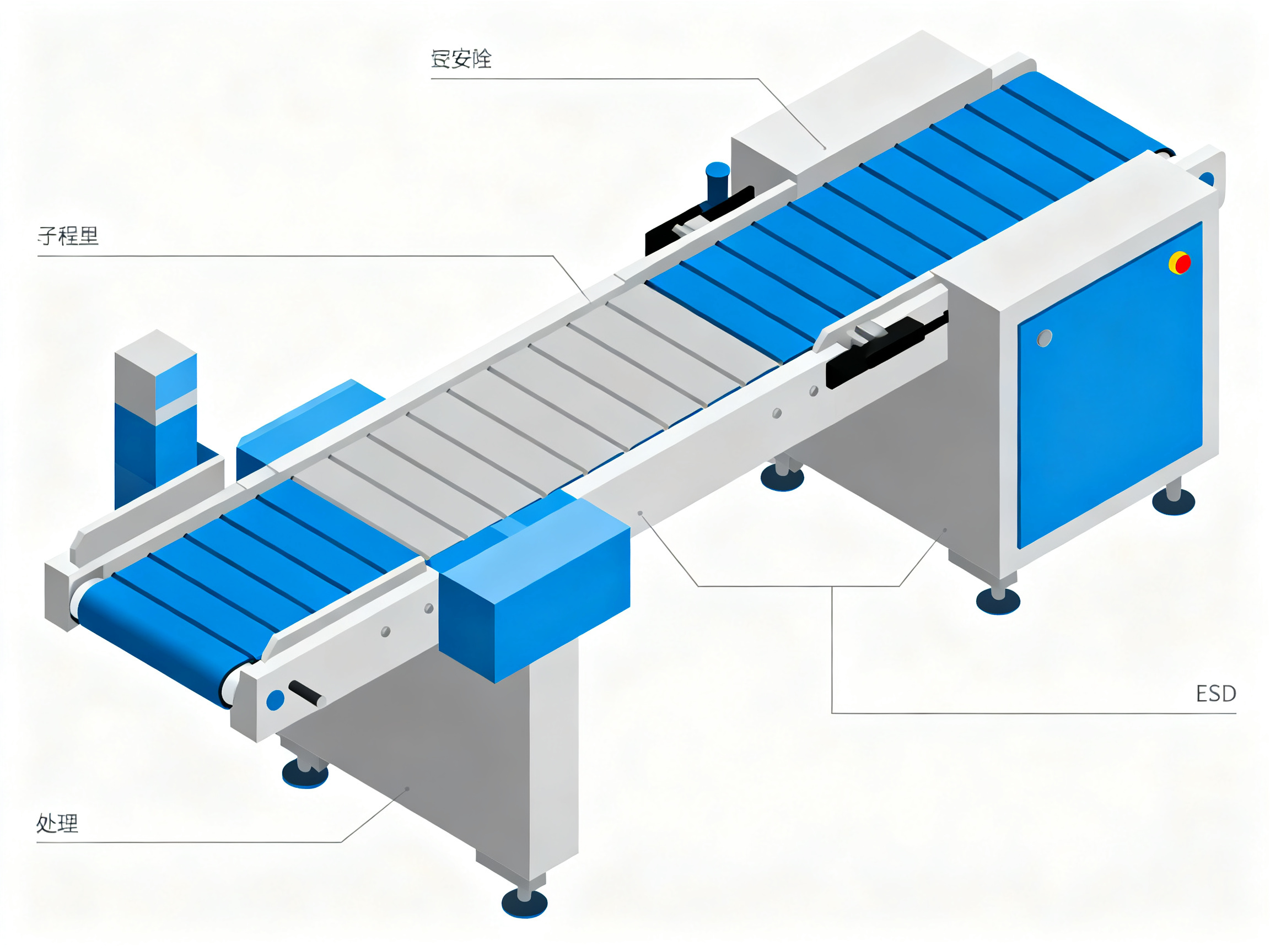
Here’s the deal, design choices that look minor on paper can have a huge effect on daily output. Rail stability, motor placement, sensor access, and belt tracking all shape whether the conveyor runs calmly or turns into one more thing your team has to baby through the shift.
I have seen buyers focus hard on speed ratings, then get surprised by frame flex or awkward maintenance access later. And that is where a sturdy best SMT belt conveyor modular design tends to pull ahead. It is not flashy. It just keeps working.
A few design points are worth extra attention:
- Frame strength: A rigid frame helps keep transfers square and steady
- Belt segment quality: Better segments usually last longer and are easier to swap
- Access panels and service points: Faster service means less waiting around
- Static control: ESD-safe parts matter if you handle sensitive assemblies all day
- Motor and control layout: Cleaner integration usually means fewer install surprises
If you are comparing the best SMT belt conveyor modules or the best PCB conveyor belt options, ask one simple question. What happens on month 18, not just day one? That usually changes the whole buying conversation.
Top modular belt conveyor options on the market in 2026
So, what modular options stand out right now? If you are trying to answer what PCB conveyor is best or what SMT belt conveyor modular is best, a few names keep showing up in 2026 for good reason.
1. mk North America modular plastic belt conveyors
mk North America is often shortlisted for clean modular builds and good flexibility. Their modular plastic belt conveyors are known for application-specific setups and tidy integration options, which can help plants with custom line footprints.
2. Dynamic Conveyor DynaCon systems
Dynamic Conveyor’s DynaCon line is built around modular sections, which makes it easier to configure a conveyor around plant layout limits. That can be really useful when your floor plan was clearly designed by someone who never had to route utilities through it.
3. Dorner, Hytrol, and Honeywell Intelligrated class platforms
These larger conveyor platform names are often part of broader automation conversations. They may not always be marketed only to SMT users, but their modular thinking, service networks, and integration depth make them relevant for buyers comparing the best modular belt conveyor company options.
4. Sun and Mountain SMT PCB conveyor systems
For electronics manufacturers that want equipment built with SMT line compatibility in mind, Sun and Mountain SMT deserves a close look. Their conveyor systems sit naturally alongside precision reflow ovens and wave soldering machines, which makes line matching easier for procurement and production teams. If your goal is practical integration, not just a catalog spec sheet, that can save time.
From what we have seen, the best SMT belt conveyor modular system is not always the one with the most features. It is usually the one that fits your board sizes, line speed, ESD needs, service plan, and future expansion path without forcing workarounds later.
A quick side-by-side view helps:
| Option | Best fit | Main strength | Watch for |
|—|—|—|—|
| mk North America | Custom footprints | Flexible modular builds | May need more spec planning up front |
| Dynamic Conveyor DynaCon | Tight layouts | Easy layout changes | Confirm exact electronics line fit |
| Dorner, Hytrol, Honeywell class systems | Large automation projects | Broad support and integration | Can be more than some SMT lines need |
| Sun and Mountain SMT | SMT and PCB lines | Built around electronics production flow | Best results come from a full line-fit review |
We have seen teams narrow the list faster when they rank options by transfer stability, ESD handling, service access, and install fit, instead of getting stuck on marketing claims. Boring? Maybe. Useful? Absolutely.
Use cases: implementing modular belt conveyors in SMT and PCB lines
A modular conveyor is useful in more places than many buyers think. Yes, it moves boards. But the real value shows up in how it supports the whole line.
Common use cases include:
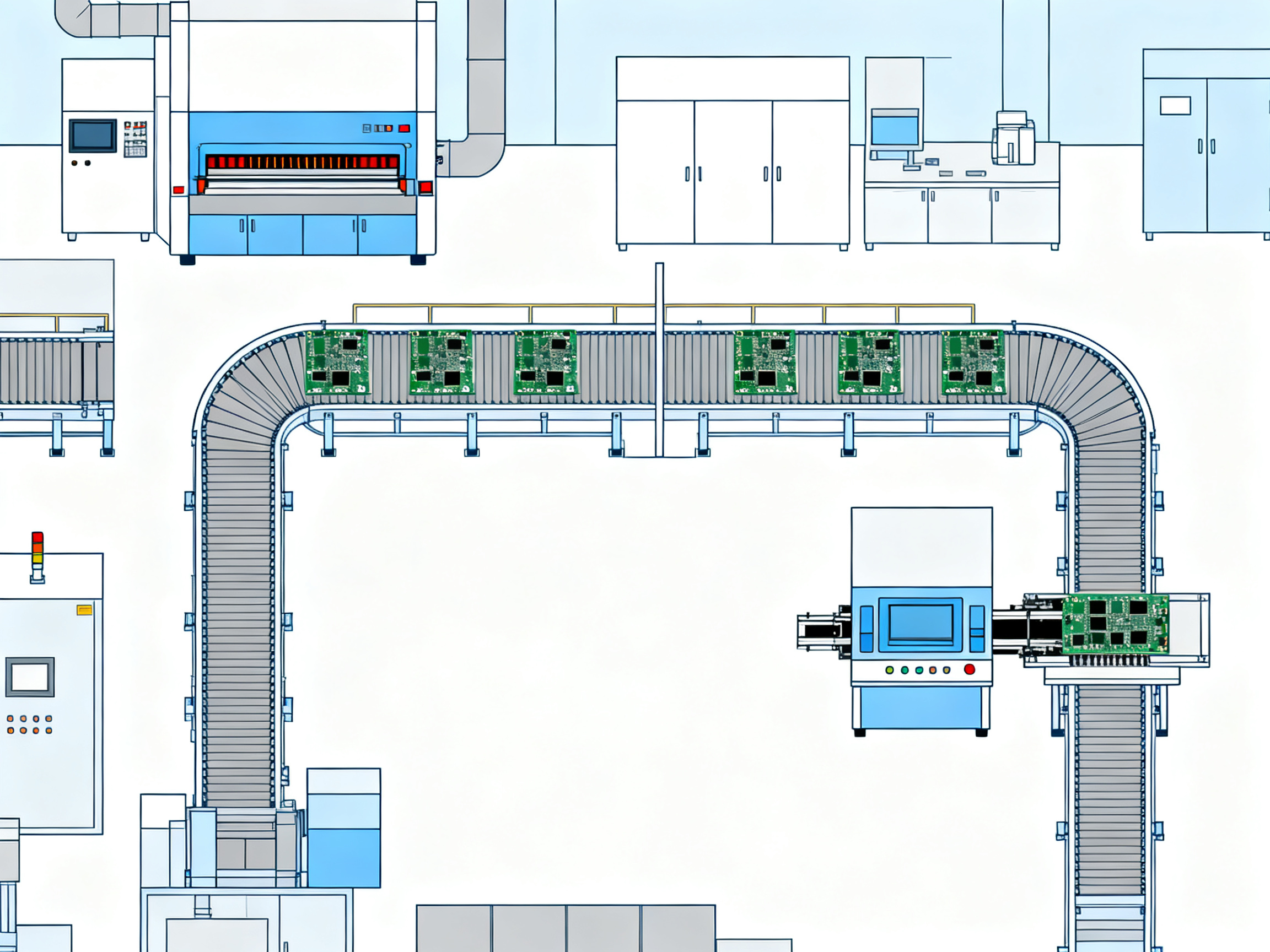
- Linking solder paste printers to pick and place machines
- Buffering boards before reflow or inspection
- Moving PCBs through manual assembly or touch-up stations
- Supporting dual-lane or high-mix production layouts
- Extending legacy lines without full replacement
We have watched plants use modular conveyor sections to connect old and new equipment during phased upgrades. That is often the smartest path, especially when budgets are tight and nobody wants a full line shutdown on a Tuesday morning.
A broader look at PCB conveyor systems in electronics manufacturing shows how conveyors improve workflow by reducing manual handling and supporting steadier movement between process stages. That is one reason modular systems keep gaining ground in 2026.
If you want a quick visual on SMT line equipment flow, this video is useful: SMT production line overview on YouTube
Pro Insight: The hard part in conveyor upgrades is often not the conveyor itself. It is height matching, control compatibility, ESD planning, and finding a layout that fits around machines already in place.
This is where project planning pays off. Before buying an SMT conveyor for sale, check transfer height, board width range, rail adjustment, communication signals, and available floor space. Small mismatch, big problem.
There is also the human side. Operators feel bad line flow before managers see it on a report. We have seen that firsthand during changeovers, where one shaky handoff between stations caused more slowdowns than the team expected. Once the conveyor transfer was cleaned up, the whole line felt calmer. Less hovering. Less rework. Better rhythm.
Here are a few real-world line situations where modular setups tend to shine:
| Use case | Why modular helps |
|—|—|
| High-mix EMS production | Faster width changes and easier reconfiguration |
| OEM line expansion | New sections can be added without rebuilding everything |
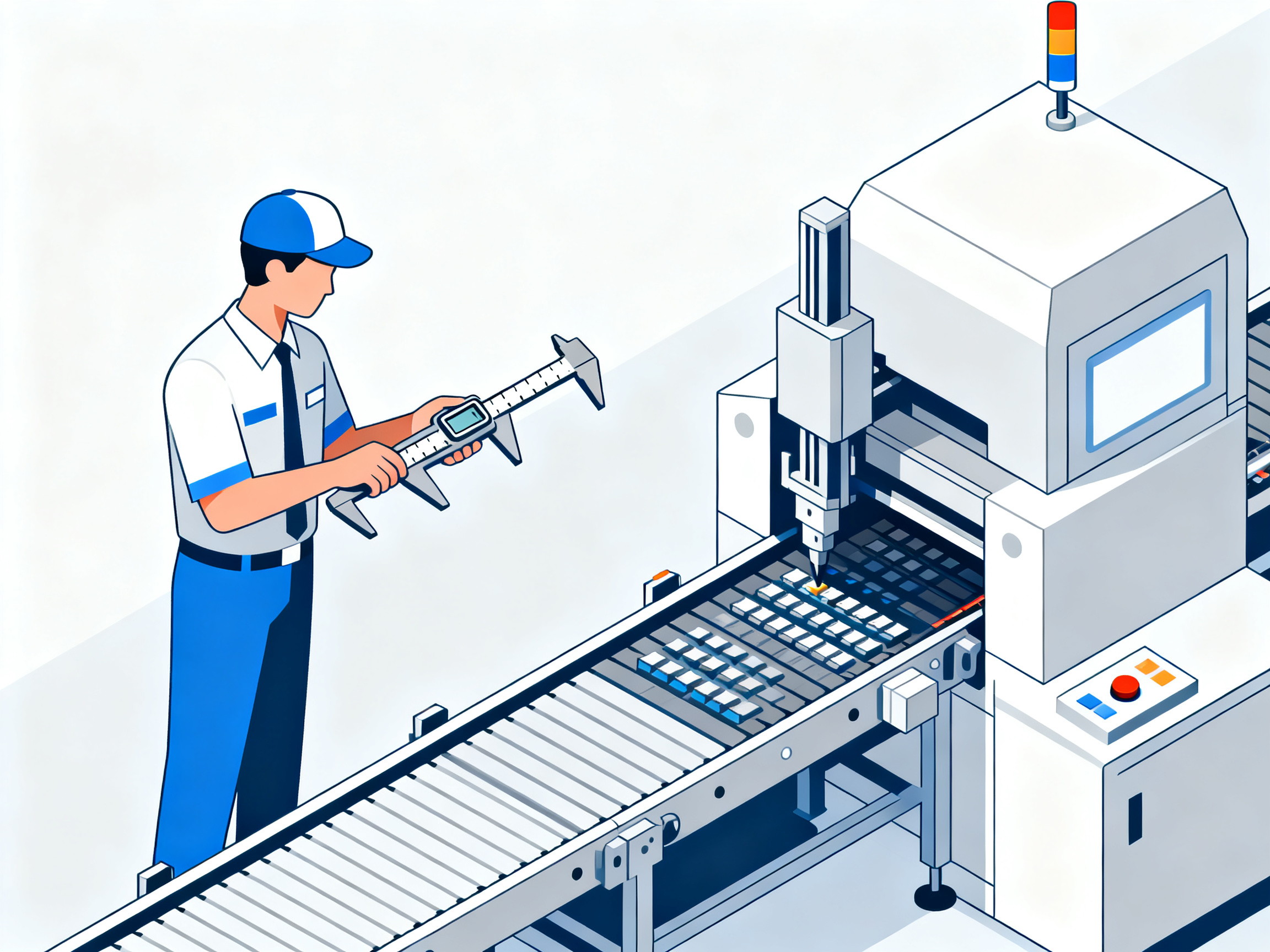
| Manual inspection cells | Smooth transfer helps reduce handling mistakes |
| Legacy equipment upgrades | Easier to bridge height and spacing gaps |
| Dual-lane planning | Better flexibility as demand grows |
If your team is asking what SMT PCB conveyor do I need, start with the roughest point in your line today. The answer is often sitting right there.
How to choose the right modular belt conveyor system for your needs
Let us keep this practical. If you are comparing the best modular belt conveyor for sale, or even debating a used PCB conveyor, start with the production reality you have right now, then look one or two years ahead.
Here are the main things to check:
Board and product fit
Start with PCB length, width, thickness, and weight. If your product mix changes often, choose a system with easy width adjustment and stable transfer across different board sizes.
Line layout and footprint
Measure the real space, not the space you wish you had. Look at infeed and outfeed heights, turn points, and operator access. The best modular belt conveyor mover for one plant may be awkward in another.
Maintenance and spare parts
Ask how fast belts, modules, motors, sensors, or rails can be replaced. If replacement parts take weeks to arrive, even the best SMT conveyor belt is not helping much.
Integration with current equipment
This one matters a lot. Your conveyor has to work with the rest of the line, from printers to AOI to reflow. Sun and Mountain SMT is a strong option here because its equipment range is made for electronic assembly workflows, not generic material movement alone.
Total cost, not just purchase price
A used PCB conveyor can look attractive at first. And sometimes it is the right move. But check service history, ESD safety, wear on belts and rails, and control compatibility before you commit.
We have seen buyers save a few thousand dollars up front, then lose far more through downtime, delayed installs, and belt replacement issues. That lesson tends to stick.
From Our Experience: ROI usually comes from fewer stoppages, easier changeovers, and lower service time, not just from the purchase price. If a conveyor helps your line recover even 15 to 20 minutes a shift, the math can look surprisingly good over a year.
A simple buyer checklist can help:
| Question | Why ask it |
|—|—|
| Does it match our board sizes? | Prevents transfer and alignment issues |
| Is it ESD-safe? | Protects sensitive electronics |
| Can it scale with future demand? | Avoids early replacement |
| Are spare parts easy to get? | Reduces downtime risk |
| Does it fit our existing line height and controls? | Speeds up installation |
| What is the full cost over 3 to 5 years? | Gives a truer ROI picture |
If you are unsure where to start, ask suppliers for a line-fit review, not just a quote. That one step can tell you more than a glossy brochure ever will.
Actually, wait, there is one more filter that helps. Split your short list into two groups: conveyors that solve today’s issue, and conveyors that still make sense if output grows 20% next year. That small exercise can stop a rushed purchase.
For many buyers, the choice comes down to this:
| Buying path | Usually best for | Risk level |
|—|—|—|
| New SMT conveyor for sale | Growing lines, tighter uptime targets | Lower install and service risk |
| Used PCB conveyor | Backup lines, budget-limited upgrades | Higher risk if history is unclear |
| Full matched line supplier | Teams wanting easier integration | Lower coordination risk |
If you are comparing the best smt conveyors and automations reviews, do not stop at public comments. Ask for install references, sample layouts, spare part lead times, and service response details. That is where the real story usually lives.
Conclusion: leveraging modular belt conveyors for competitive advantage
The best modular belt conveyor system does not just move boards. It helps your SMT or PCB line stay flexible, steady, and easier to manage as demand changes in 2026. That means better throughput, fewer manual touches, smoother integration, and a cleaner path for future upgrades.
If you are weighing the best SMT conveyors, best PCB conveyors, or a modular upgrade for an existing line, keep the focus on fit, durability, ESD safety, and long-term serviceability. Those are the details that usually separate a smart buy from an expensive headache.
For teams that want a practical path forward, Sun and Mountain SMT is worth a close look. Their equipment is built for electronics manufacturing environments where uptime, precision, and line compatibility matter every single day. Start with your layout, your board mix, and your downtime pain points, then match the conveyor to the real job.
The factories that stay competitive are usually the ones that make change easier, not harder. Modular conveyors help with exactly that. And in my view, that is where the real advantage starts.
We have seen that the strongest results usually come from boring choices made well: solid frame design, easy service access, stable transfer, and supplier support that does not vanish after delivery. Glamorous? Not even close. But that is what keeps a line moving.
If you are reviewing options now, build a short list, ask for a real line-fit discussion, and compare long-term uptime, not just the opening quote. That is the smarter way to choose the best modular belt conveyor system for SMT and PCB work in 2026.
Top modular belt conveyor options on the market in 2026
So, what modular options stand out right now? If you are trying to answer what PCB conveyor is best or what SMT belt conveyor modular is best, a few names keep showing up in 2026 for good reason.
1. mk North America modular plastic belt conveyors
mk North America is often shortlisted for clean modular builds and good flexibility. Their modular plastic belt conveyors are known for application-specific setups and tidy integration options, which can help plants with custom line footprints.
2. Dynamic Conveyor DynaCon systems
Dynamic Conveyor’s DynaCon line is built around modular sections, which makes it easier to configure a conveyor around plant layout limits. That can be really useful when your floor plan was clearly designed by someone who never had to route utilities through it.
3. Dorner, Hytrol, and Honeywell Intelligrated class platforms
These larger conveyor platform names are often part of broader automation conversations. They may not always be marketed only to SMT users, but their modular thinking, service networks, and integration depth make them relevant for buyers comparing the best modular belt conveyor company options.
4. Sun and Mountain SMT PCB conveyor systems
For electronics manufacturers that want equipment built with SMT line compatibility in mind, Sun and Mountain SMT deserves a close look. Their conveyor systems sit naturally alongside precision reflow ovens and wave soldering machines, which makes line matching easier for procurement and production teams. If your goal is practical integration, not just a catalog spec sheet, that can save time.
From what we have seen, the best SMT belt conveyor modular system is not always the one with the most features. It is usually the one that fits your board sizes, line speed, ESD needs, service plan, and future expansion path without forcing workarounds later.
A quick side-by-side view helps:
| Option | Best fit | Main strength | Watch for |
|—|—|—|—|
| mk North America | Custom footprints | Flexible modular builds | May need more spec planning up front |
| Dynamic Conveyor DynaCon | Tight layouts | Easy layout changes | Confirm exact electronics line fit |
| Dorner, Hytrol, Honeywell class systems | Large automation projects | Broad support and integration | Can be more than some SMT lines need |
| Sun and Mountain SMT | SMT and PCB lines | Built around electronics production flow | Best results come from a full line-fit review |
We have seen teams narrow the list faster when they rank options by transfer stability, ESD handling, service access, and install fit, instead of getting stuck on marketing claims. Boring? Maybe. Useful? Absolutely.
If you are looking for more background, Universal Chain covers current conveyor system trends for 2026, and there is a full review of mk North America’s modular belt conveyor lineup at mk’s official product page.
Pricing and value can be a moving target. For mid-range modular conveyors, businesses in 2026 often see price ranges of $7,500 to $15,000 per line segment depending on belt width, frame material, and options. Larger multi-section builds can run higher, especially for interconnected automation setups. Used PCB conveyor sections sometimes start closer to $2,000, but buyers need to watch for hidden costs in service, part replacement, or control retrofits.
As for reviews, it is a tie between word-of-mouth from working lines and direct supplier references. Actual users tend to care more about reliability, ESD performance, and service access than flashy digital displays or fancy belt colors. The best modular belt conveyor system is usually praised for quietly reducing small headaches, not for winning design awards. And that’s just the reality on most SMT lines in 2026.
If you are looking for more background, Universal Chain covers current conveyor system trends for 2026, and there is a full review of mk North America’s modular belt conveyor lineup at mk’s official product page.
Pricing and value can be a moving target. For mid-range modular conveyors, businesses in 2026 often see price ranges of $7,500 to $15,000 per line segment depending on belt width, frame material, and options. Larger multi-section builds can run higher, especially for interconnected automation setups. Used PCB conveyor sections sometimes start closer to $2,000, but buyers need to watch for hidden costs in service, part replacement, or control retrofits.
As for reviews, it is a tie between word-of-mouth from working lines and direct supplier references. Actual users tend to care more about reliability, ESD performance, and service access than flashy digital displays or fancy belt colors. The best modular belt conveyor system is usually praised for quietly reducing small headaches, not for winning design awards. And that’s just the reality on most SMT lines in 2026.
Final thoughts on choosing the best modular belt conveyor system
By this point, the pattern is pretty clear. The best modular belt conveyor system is not the one with the longest feature list. It is the one that fits your SMT or PCB line, stays reliable under daily load, and gives your team room to adjust as production changes in 2026.
That matters more than it might seem at first. A conveyor choice touches uptime, board safety, staffing pressure, maintenance planning, and how easily you can expand later. One small transfer problem can ripple through the whole line. But a well-matched modular setup can quietly remove those headaches before they pile up.
We have seen manufacturers get the best results when they focus on a few things first:
- Stable board transfer between machines
- ESD-safe handling for sensitive assemblies
- Easy service access and spare part availability
- Frame and belt durability over long shifts
- Clean fit with current and future line layouts
And yes, future potential is a real factor here. Modular systems are a smart pick because they are easier to adapt when board sizes change, throughput climbs, or a new inspection step gets added. That flexibility is one reason market analysts still expect conveyor demand to keep growing, based on current conveyor market outlook data. If your business plans to scale, that matters.
For teams trying to stay ahead, I would keep the buying process simple:
- Map the slowest or most awkward handoff in your line.
- Check what the conveyor must support today, not just what you hope to run later.
- Compare suppliers on service, parts, and install fit, not only on quote price.
- Ask how the system will handle changeovers, maintenance, and expansion next year.
That last point is where a lot of buying decisions get better. Or worse. A conveyor can look great in a spec sheet and still be a pain on the floor if rail adjustment is clumsy or parts take three weeks to show up.
If you want a safer path, look for suppliers that already understand electronics production flow. Sun and Mountain SMT stands out here because its PCB conveyor systems are built around the needs of EMS and OEM lines, with a strong focus on automation, precision, and practical integration. For buyers who do not want to bolt together a half-matched setup, that can make the whole project smoother.
So, what SMT PCB conveyor do you need? Usually, the answer is the one that solves today’s bottleneck and still makes sense when output grows. Simple. Not always easy, but simple.
If you are reviewing a new SMT conveyor for sale or weighing a used PCB conveyor, now is a good time to build a short list and ask tougher questions. The right modular conveyor will not just move boards. It will help your line run with less friction, fewer stops, and a lot more confidence.
The factories that keep winning in 2026 are usually the ones that make smart, steady upgrades before small issues become expensive ones. That is the real edge.
From an expert point of view, the best long-term conveyor decisions come from matching equipment to the real line environment, not just the headline specs. Teams that prioritize serviceability, expansion room, and transfer consistency usually put themselves in a much stronger spot for the next stage of growth.