
Published: 08 May 2026
Reading Time: 15 minutes
Reviewer: [Reviewer Name], [Reviewer Credentials]
Unlocking Efficiency: A Comprehensive Guide to Top Spiral Conveyor Systems in 2026
Imagine a production line that moves like clockwork, seamlessly connecting different levels in your facility while saving space, reducing costs, and increasing output. That is exactly what spiral conveyors promise. By going vertical instead of sprawling across precious floor space, they make operations smoother and more efficient. Whether you’re in manufacturing, e-commerce, or any industry dealing with heavy or bulky goods, spiral conveyor systems are worth considering.
With 10 years of experience in industrial automation technology, Jace Liu specializes in designing and optimizing manufacturing processes. As a regular contributor to leading industry publications, Jace brings valuable insights and firsthand experience to the topic of spiral conveyor systems.
Why Consider Spiral Conveyor Systems in 2026?
If you’re on the hunt for options that improve your workflow, it’s hard to ignore how far conveyor technology has come. In 2026, businesses are increasingly looking beyond traditional conveyor belt setups to solve operational challenges. Spiral conveyors are helping to bridge that gap, offering many advantages over their older counterparts.
1. Smoother Operations and Higher Output
Spiral conveyors make product flow consistent. Because they are designed to minimize transfer points—a common source of jams—products move more smoothly compared to traditional systems. Facilities using spiral conveyors are also seeing faster order fulfillment, which leads to happier customers.
2. Saving Space Without Compromising Throughput
Traditional conveyor systems often hog floor space. Spiral setups, however, go vertical, freeing up square footage for other tasks. Studies show spiral conveyors can save up to 75% of floor space compared to conventional systems. This advantage is game-changing for industries struggling with limited facility sizes.
3. Cost and Energy Savings
Integrating a spiral conveyor into your workflow can reduce energy consumption because they generally require less power than their horizontal counterparts. Plus, fewer breakdowns mean lower maintenance expenses. Automating product movement also reduces labor costs and risks of workplace injury.
4. Key Industries Already Adopting Spiral Conveyors
In 2026, industries like food and beverage, manufacturing, automotive, and even e-commerce are doubling down on spiral systems to maximize productivity. Their flexible designs handle a wide variety of products, from fragile food packages to massive automotive components. This flexibility makes them adaptable to almost any production line setup.
Pro Insight: Leveraging spiral conveyors can save time, cut costs, and boost throughput—especially in industries with high-volume demands.
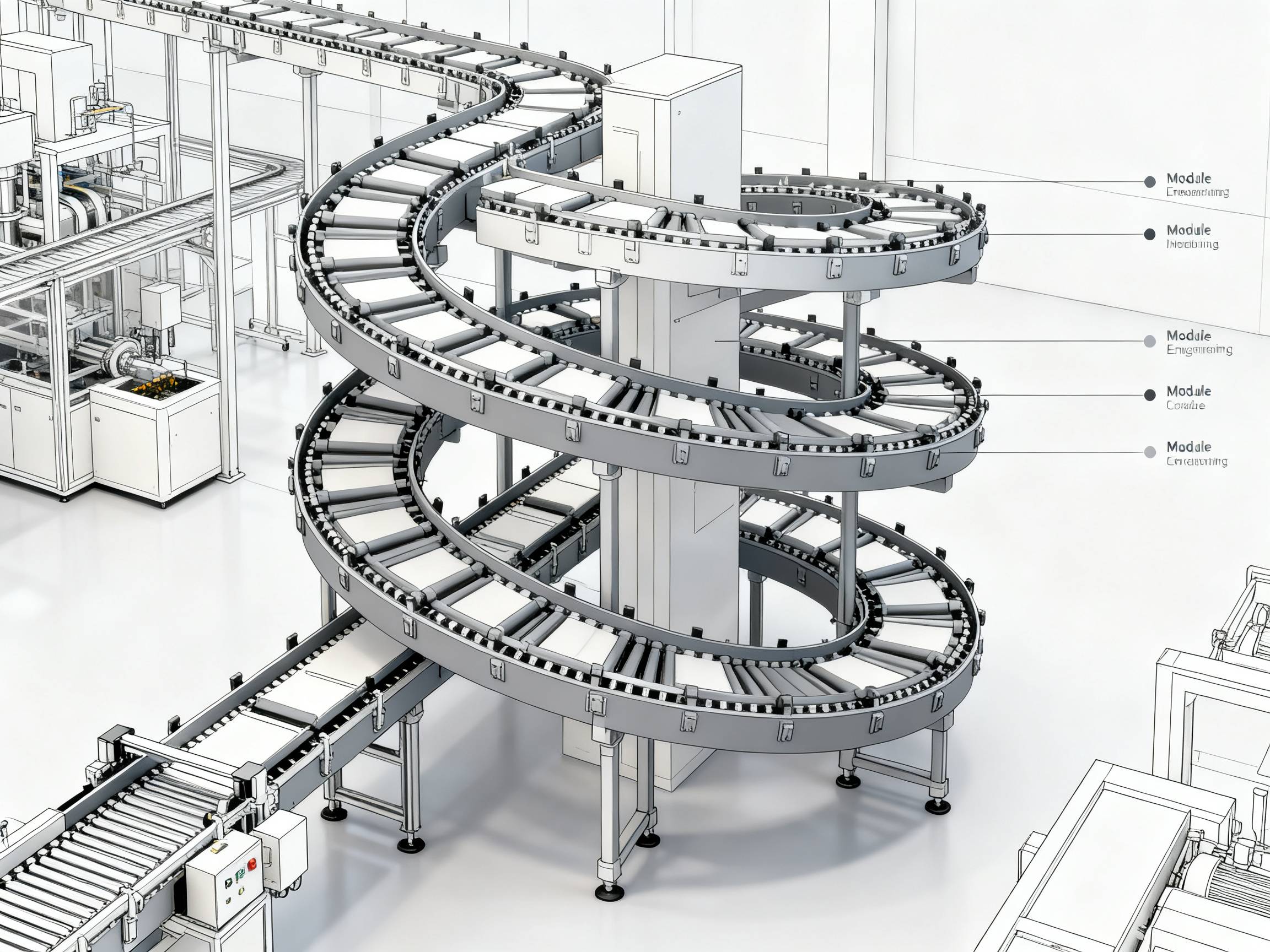
Understanding Spiral Conveyor Systems
So, how do they work? Think of a spiral conveyor as a continuous loop in a vertical format. Products move smoothly along slats or belt surfaces, ensuring they make it from Point A to Point B—even when those points are on different floors.
Advantages Noticed by Industry Veterans
Industry experts often highlight the unique benefits of spiral systems. For example, these conveyors are modular, meaning they are scalable to meet demand. They are also ideal for facilities that need to manage inventory efficiently. According to reports, uptime improves significantly with spiral conveyor integration thanks to fewer moving parts than traditional systems.
Key Features of Spiral Conveyor Systems to Look for in 2026
If you’re about to invest in spiral conveyors, knowing what features matter most can make a world of difference. Not all systems are created equal, and picking the right one could transform your workflows—and save you serious time, space, and money. Let’s look at what you should prioritize.
1. Modularity for Easy Expansion
Modern spiral conveyors in 2026 are designed with modular capabilities. This means you can start with a basic setup and expand it as needed, rather than having to replace the entire system. This functionality is great for growing facilities or industries dealing with changing demands.
Pro Insight: Industry experts recommend modular spiral systems because they’re easy to customize and less risky to upgrade.
2. Adjustable Speeds for High Versatility
Production needs can change on the fly, so spiral conveyors with adjustable speed features offer invaluable flexibility. Faster speeds help you handle surges in demand, while slower speeds are ideal for fragile products or precision-oriented tasks.
3. Energy-Efficient Motors
With energy costs climbing in 2026, choosing conveyors with high-efficiency motors can save you a significant amount in utility bills. Motors with power-saving modes or those that adapt to workload demands stand out as must-haves this year.

4. Advanced Safety Features
Sleek designs that prevent jams and include failsafe mechanisms are critical. Look for automated stop features—especially if you operate in high-risk industries like automotive or food production. Conveyor systems that prioritize safety reduce both risks and downtime.
5. IoT Integration for Data Tracking
Conveyor systems that integrate with IoT provide real-time data on performance, helping you monitor operations and quickly troubleshoot any hiccups. These systems are the backbone of smarter manufacturing facilities because they let you track throughput, uptime, and even predictive maintenance—all through data.
Expert Tip: Avoid jumping into spiral conveyor implementation without thoroughly evaluating energy and maintenance costs. Overlooking this step can hurt your ROI.
6. Space-Saving Curves and Compact Designs
A great spiral conveyor takes up minimal floor space while offering maximum functionality. Compact and customizable designs are especially useful for warehouses and facilities in urban areas with space constraints.
7. Specialized Temperature Options
If your operations involve hot or cold items, you’ll want systems built to handle extreme temperatures. Spiral conveyors with heat-resistant or freezer-friendly materials are perfect for food and pharmaceuticals.
8. Seamless Integration with Existing Systems
Your new spiral conveyor must fit into your existing setups. Systems that can integrate flawlessly with automated controls, sorting systems, and other equipment will make your life easier and your workflows smoother.
With these features in mind, you’ll be better equipped to choose a spiral conveyor system that meets your needs in 2026. Whether you’re aiming to improve efficiency, lower operational costs, or streamline production, these key features are non-negotiables.
Guidelines for Choosing High-Quality Spiral Conveyors
Investing in the right spiral conveyor system can make all the difference for your operations. To help you make the best choice, let’s break down the factors that matter most, along with tips on how to integrate these systems into your existing workflows.
1. Durability Matters
Look for spiral conveyors built to last, particularly if your operations require heavy loads or extended use. Materials like stainless steel and reinforced plastics are ideal for harsh environments and high-wear conditions. A durable system means fewer maintenance headaches and a much longer service life.
2. Flexibility for Changing Needs
Your manufacturing needs may shift over time, so choosing a modular spiral conveyor is a smart move. The ability to upgrade or reconfigure your conveyor can save costs in the long run. Facilities that process seasonal goods or have rapid shifts in demand will benefit most from this adaptability.
Pro Insight: Industry pros stress the importance of testing modular setups before committing, ensuring they align with both current and future production requirements.
3. Balance Cost with Long-Term Value
While some spiral conveyor systems come with a higher upfront cost, they often save money over time in maintenance and energy costs. It’s worth prioritizing systems with energy-efficient motors and low-maintenance designs. Always factor in operating expenses when comparing initial prices.
4. Safety Features Are Non-Negotiable
When considering your options, prioritize systems with robust safety mechanisms. Features like automatic shut-offs and anti-jam designs reduce downtime and help prevent workplace accidents. This is especially critical in industries like automotive or food production, where operational risks are high.
5. Tips for Smooth Integration
For smooth integration, pick a system compatible with your existing equipment and automation software. Ask about IoT functionality too—tracking conveyor performance and troubleshooting through real-time data can save valuable time.
- Create a detailed site plan to ensure the conveyor fits your facility layout
- Conduct stress tests to see how the system handles both low and high-volume scenarios
- Train your team to operate and maintain the new equipment confidently
By covering these bases, your integration process will run smoothly and without surprise costs.