
Published: 28 June 2026
Reading Time: 8 minutes
Reviewer: Jace Liu, Industrial Manufacturing Standards Engineer
You know that little oven light most people ignore until it goes out? In an industrial setting, that tiny part can turn into a real headache fast. If operators can’t clearly see what’s happening inside a hot chamber, checks take longer, mistakes go up, and downtime starts to creep in. Not fun.
A high temperature oven light bulb is built for that kind of job. It has to handle heat that would wreck a normal bulb, and it needs to keep working during long production runs. That’s true in home ovens too, but it’s a much bigger deal in factories where heat, timing, and safety all matter every single shift.
So this guide keeps things simple. We’ll look at where high temperature oven light bulbs are used, why standard bulbs usually fail, and what to watch for with compatibility, bulb heat ratings, and oven light bulb safety. If you’re running production equipment, or just trying to avoid buying the wrong replacement twice, you’re in the right place.
Jace Liu is an industrial manufacturing expert with over a decade of experience specializing in high-temperature equipment design, including ovens and related technologies. He regularly consults for EMS and OEM businesses to optimize their production efficiency while ensuring safety and compliance.
Understanding Heat Ratings for Oven Light Bulbs
Here’s where a lot of people get tripped up. They see a bulb that fits the socket, screw it in, and assume the job is done. But with a high temperature oven light bulb, fit is only half the story. The heat rating matters just as much, sometimes more.
A bulb’s heat rating tells you the highest temperature it can handle while still working safely. In many oven and appliance setups, that upper range goes up to about 300°C, or 572°F, according to this oven bulb guide from LightBulbs Direct. That’s why standard household bulbs usually fail fast in hot chambers. They weren’t made for that kind of punishment.
In industrial oven lighting, the stress can be even worse. Heat builds up over long shifts. Airflow may be limited. And the bulb often sits close to metal panels that hold and reflect heat. So even if the chamber temperature seems manageable, the bulb itself may be running hotter than you expect. Sneaky problem.
Expert Tip: Heat ratings have a huge impact on bulb life during continuous use. A bulb that barely meets the oven temperature may still burn out early if the line runs for long hours without much cooling time.
Common heat rating ranges
Most high-temperature bulbs fall into a few broad ranges:
| Bulb type or use case | Typical heat range | Good fit for |
| — | — | — |
| Standard appliance bulb | Low to moderate heat | Refrigerators or low-heat compartments |
| Oven-rated bulb | Up to around 300°C | Home ovens, some commercial ovens |
| Industrial high-temperature bulb | Higher heat tolerance, based on equipment design | Reflow ovens, process chambers, inspection windows |
That last category is where things get serious. In SMT lines, especially with reflow ovens and similar systems, steady visibility helps operators spot issues sooner. If you’re using equipment from a maker like Sun and Mountain SMT, it makes sense to match replacement parts, including bulbs, to the machine’s actual thermal conditions instead of guessing.
Why heat ratings matter so much
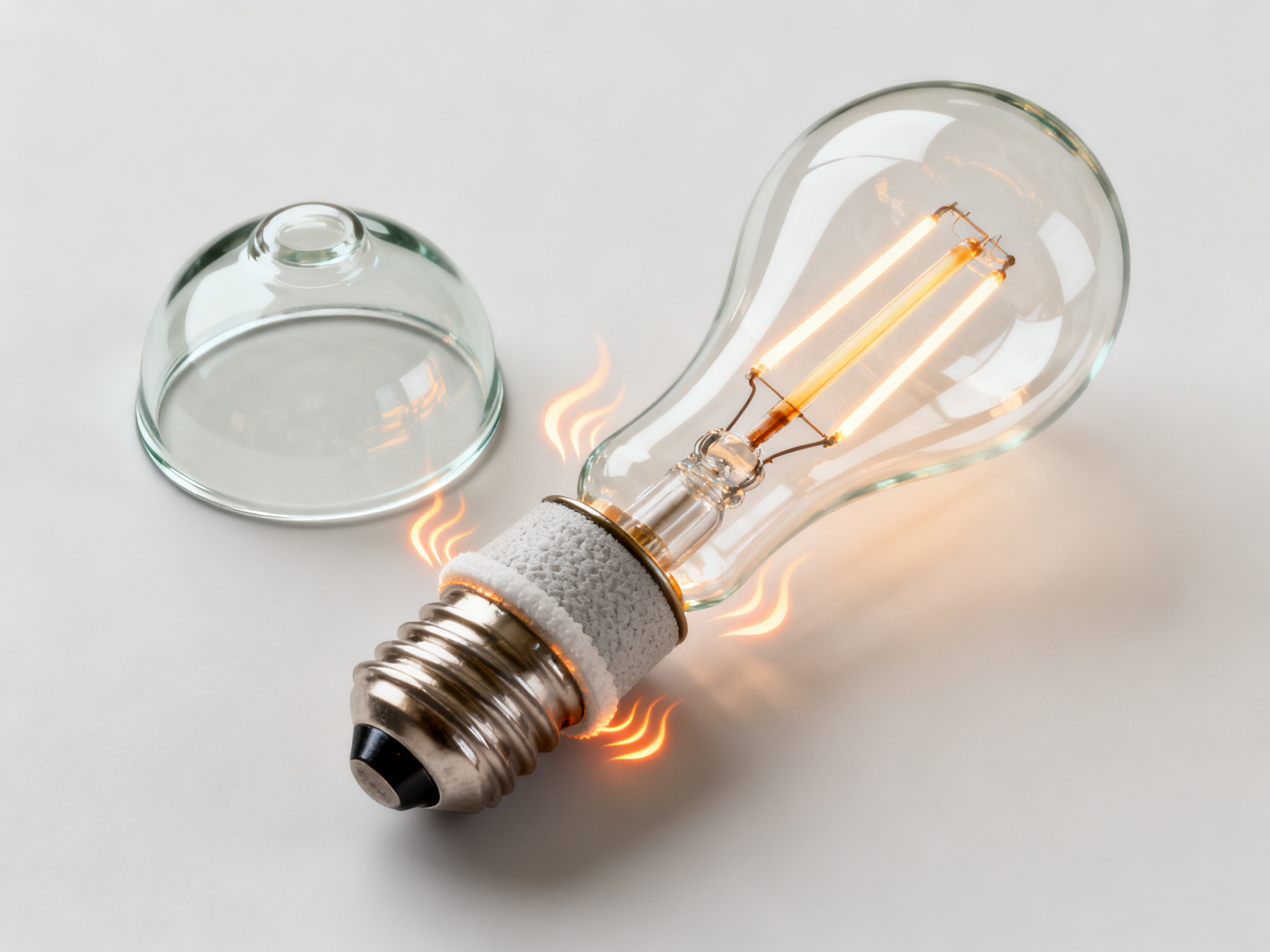
A bulb that runs too close to its limit tends to age faster. The glass can weaken. Internal filaments or seals can break down. Insulation around the base can dry out and crack. Then you get flickering, dim light, or total failure right in the middle of production. Great timing, right?
And there’s a safety side too. Oven light bulb safety is not just about whether the bulb turns on. It’s also about whether the bulb can hold up under repeated heating cycles without breaking, shorting, or damaging nearby parts. In factories, one tiny part can set off a chain of annoying problems.
What affects bulb durability in high heat
Heat rating is big, but it’s not the only thing. Durability also depends on the build quality of the bulb and the oven itself.
Here are the main things that usually affect lifespan:
- Glass quality, because thin or poor-quality glass can weaken faster under heat
- Filament and internal component design, especially during long run times
- Base insulation, which needs to resist drying, cracking, and heat damage
- Vibration or door impact, since repeated movement can shake fragile parts loose
- Socket condition, because a worn socket can create poor contact and extra heat
I’ve seen maintenance teams swap the same bulb twice in one month, then finally realize the real problem was a loose socket and trapped heat around the housing. That’s the annoying part. The bulb gets blamed first.
So if your oven temperature seems normal but bulbs still fail early, look beyond the wattage. Check the enclosure, the airflow, and the exact bulb heat ratings listed by the equipment maker. That extra five-minute check can save a lot of downtime later.
Final thoughts
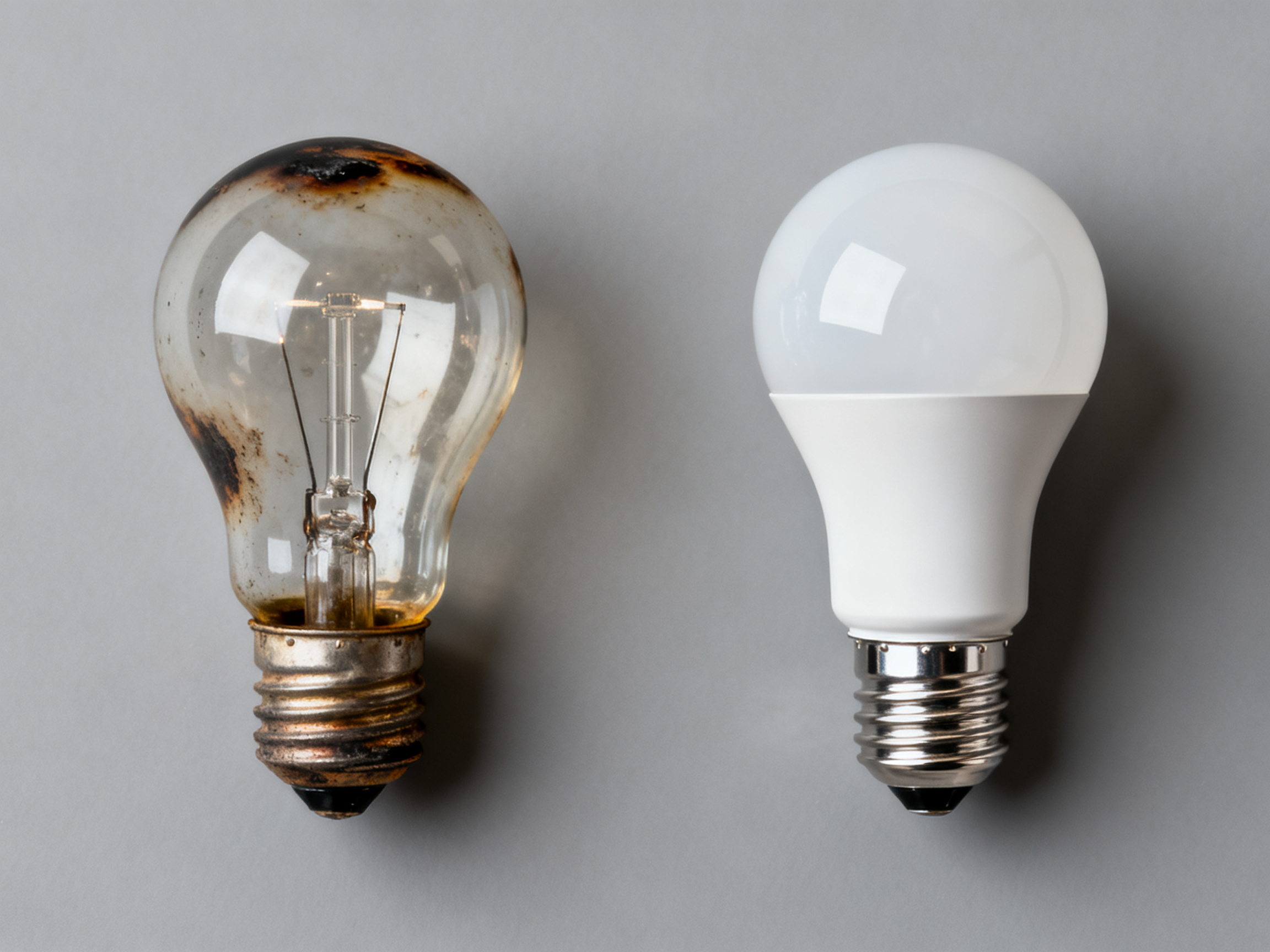
If you’re choosing a high temperature oven light bulb for industrial use, think beyond the socket size. Match the heat rating. Check the housing. Install it carefully. And if bulbs keep failing, treat that as a clue, not just bad luck.
For teams running busy EMS or OEM lines, a small lighting issue can snowball into downtime, missed checks, and maintenance frustration. But with the right bulb, basic safety steps, and a repeatable inspection routine, you can keep industrial oven lighting simple, reliable, and a lot less annoying. If you are reviewing replacement parts for a hot-process line in 2026, this is a smart place to tighten things up.
Jace Liu’s standing advice is simple: treat every heat-exposed replacement part like a system decision, not a quick purchase. When the bulb, socket, airflow, and operating conditions all match, safety and uptime usually improve together.