
Published: 26 May 2026
Reading Time: 10 minutes
Reviewer: Simon Scrapes, Founder
You know those moments in the factory where everyone’s staring at a board, hoping the reflow oven doesn’t throw a surprise defect their way? I remember the first time I saw tombstoning—it felt like a tiny crime scene under the microscope. It’s normal to think reflow profile setup is just another line in the process, but actually, it’s a big deal for electronics companies in 2026. Get it right, and your SMT line runs smooth as butter. Miss the mark, and costs creep up—one cold solder joint at a time.
So what’s really going on with lead-free vs. leaded reflow profiles? Why do supply chain managers and production engineers debate about SAC305 versus Sn63Pb37 like it’s a sports rivalry? And what do you actually need to know about temperature windows and process setup if you want to keep your bosses off your back?
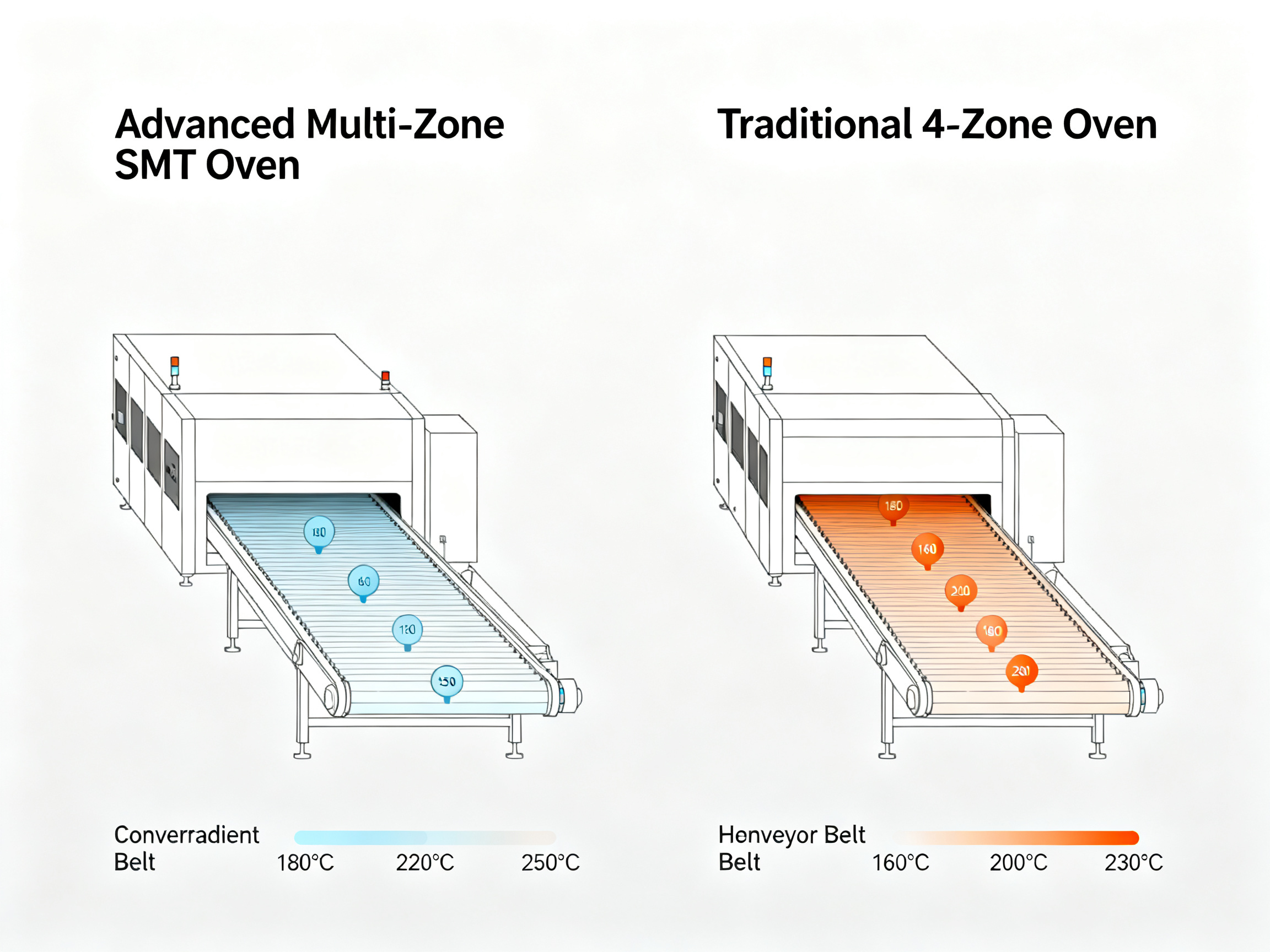
Stick around if you want less troubleshooting and more consistent quality—especially if you run SMT for EMS or OEM companies, or if you secretly prefer reading oven datasheets to scrolling social media.
Simon Scrapes is a renowned expert in Surface Mount Technology with over 15 years of experience in electronic assembly processes. He has led numerous workshops on SMT reflow profiles and has a deep understanding of lead-free and leaded technologies.
Why Reflow Profile Setup Matters in SMT
Let’s get to the bones of SMT production: the reflow soldering profile. If you’ve ever stared at a line-stopping board defect and wondered where it went wrong, chances are the profile had something to do with it. In 2026, engineers agree on one thing—reflow setup isn’t just a button on the oven. It’s the difference between reliable solder joints and a heap of rework.
Here’s the simple version: your reflow profile is a time-temperature recipe. It’s how you tell the solder paste, components, and PCB to behave for each step:
- Preheat: Warms things up gently so flux activates and solvents don’t splatter
- Soak: Keeps the board at a happy mid-temp, spreading heat evenly (no ‘cold corners’)
- Reflow/TAL: Hits the sweet spot where solder paste finally melts and wets the pads/meets the leads
- Cooling: Locks those joints in place without cracks or internal stress
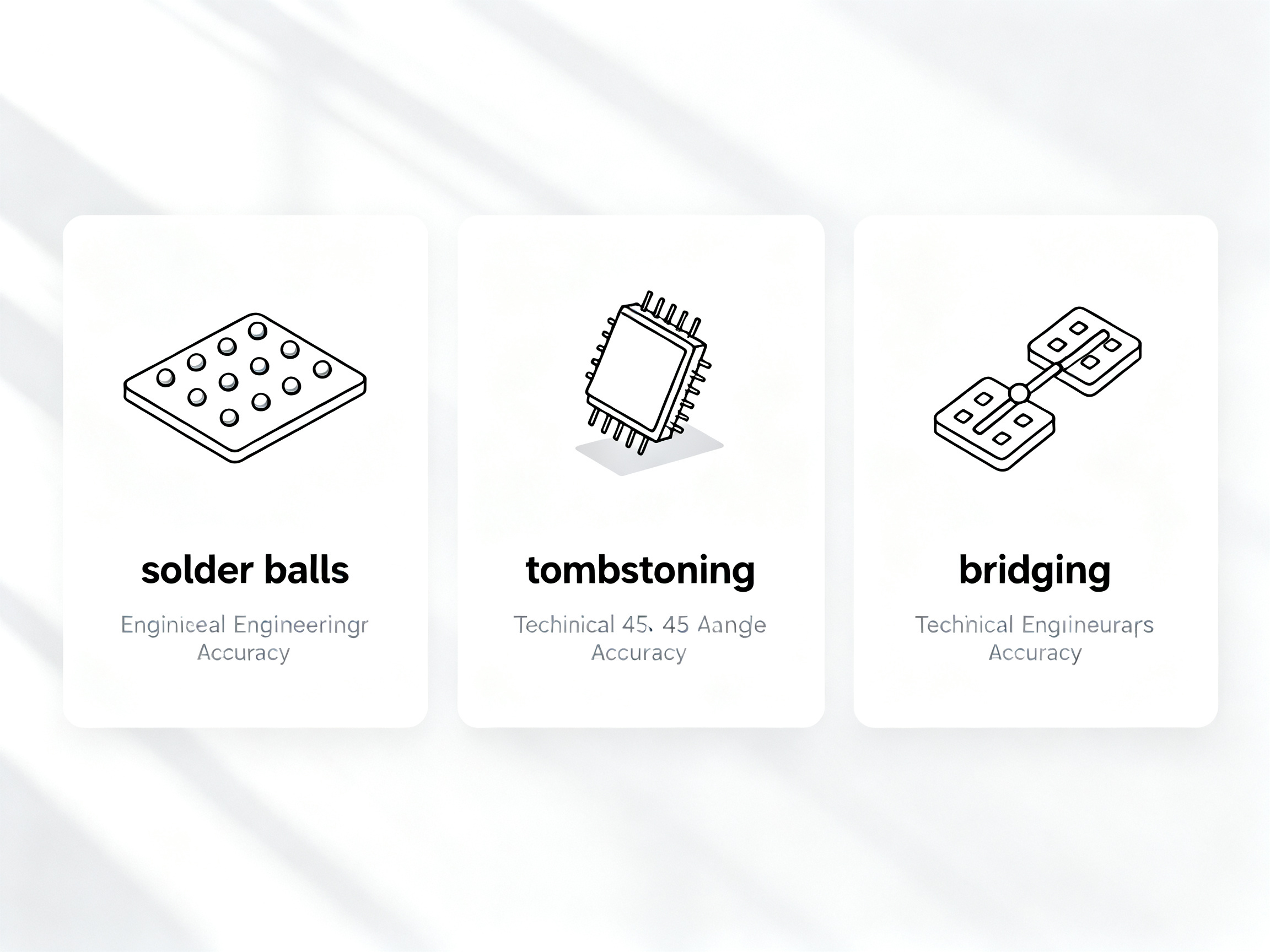
Set the profile wrong—too fast, too slow, wrong peak—pretty much every SMT defect can show up as payback. You’re looking at tombstoning, solder balls, bridging, voids, or worse: cracked microchips.
See more on thermal profiling in SMT assembly here (AllPCB)
What’s at Stake if Profiles Go Wrong?
Look, I get it—sometimes the pressure’s on and you just copy the last oven recipe. But if you haven’t checked temps against the real board, you’re rolling the dice. Failing at profile setup can lead to:
- Solder bridges and electrical shorts
- Open circuits from cold joints
- Mysterious component damage that shows up only in testing (the worst kind)
- Lost time due to rework, repair, or even scrapping whole lots
- Inconsistent yield when switching jobs or operators
Boards aren’t uniform; small resistors heat up way faster than big copper planes. That’s why ‘set and forget’ only works in marketing, not manufacturing.
Lead-Free vs. Leaded Reflow Profiles: Setting the Stage
Let’s lay out the basics, because nearly every conversation about SMT ovens starts here in 2026. Do you run lead-free or leaded solder paste? And do you really care about those few degrees difference?
- Lead-Free (SAC305): Needs more heat (peak 235–250 °C), has a narrower process window, and is now the standard for anything RoHS-compliant
- Leaded (Sn63Pb37): Runs cooler (peak 205–220 °C), wets better, easy for rework, still used in legacy and non-EU builds
Lead-free profiles call for tighter thermal control (honestly, sometimes they feel like trying to toast bread without burning the edges). Leaded paste works with more forgiving margins—you can mess up a little and still get a good joint.
Thing is, regulations aren’t getting any looser in 2026. If you sell in North America, Europe, or East Asia, you’re probably running lead-free unless your product is exempt. But if you’re working on old medical, aerospace, or legacy stuff, you might still have a choice.
Quick rundown on leaded vs. lead-free approaches at CompuPhase
Why This Matters for SMT Companies and OEMs
If you’re running mid-to-large-scale SMT lines, especially in electronics hubs like Austin, Shenzhen, or Munich, you know the pain points: downtime from reflow errors, rework cost, product failures in the field, and tight delivery deadlines. Sun and Mountain SMT builds ovens that keep profiles repeatable. But even the best hardware can’t solve a profile mistake. That’s why investing time in setup—and using equipment that actually does what you ask—is non-negotiable for 2026.
And hey, if your team’s still arguing whether lead-free is safe, let’s just say: if you’re following the RoHS rules, it’s the safest legal option. Lead-free isn’t perfect, but it’s the game you’ve gotta play if you want to stay in business.
Ready to dig into the real differences, process tricks, and temperature windows for SAC305 vs. Sn63Pb37? Next sections coming up.