Published: 26 May 2026
Reading Time: 10 minutes
Reviewer: Simon Scrapes, Founder
Introduction to Wave Solder Machines
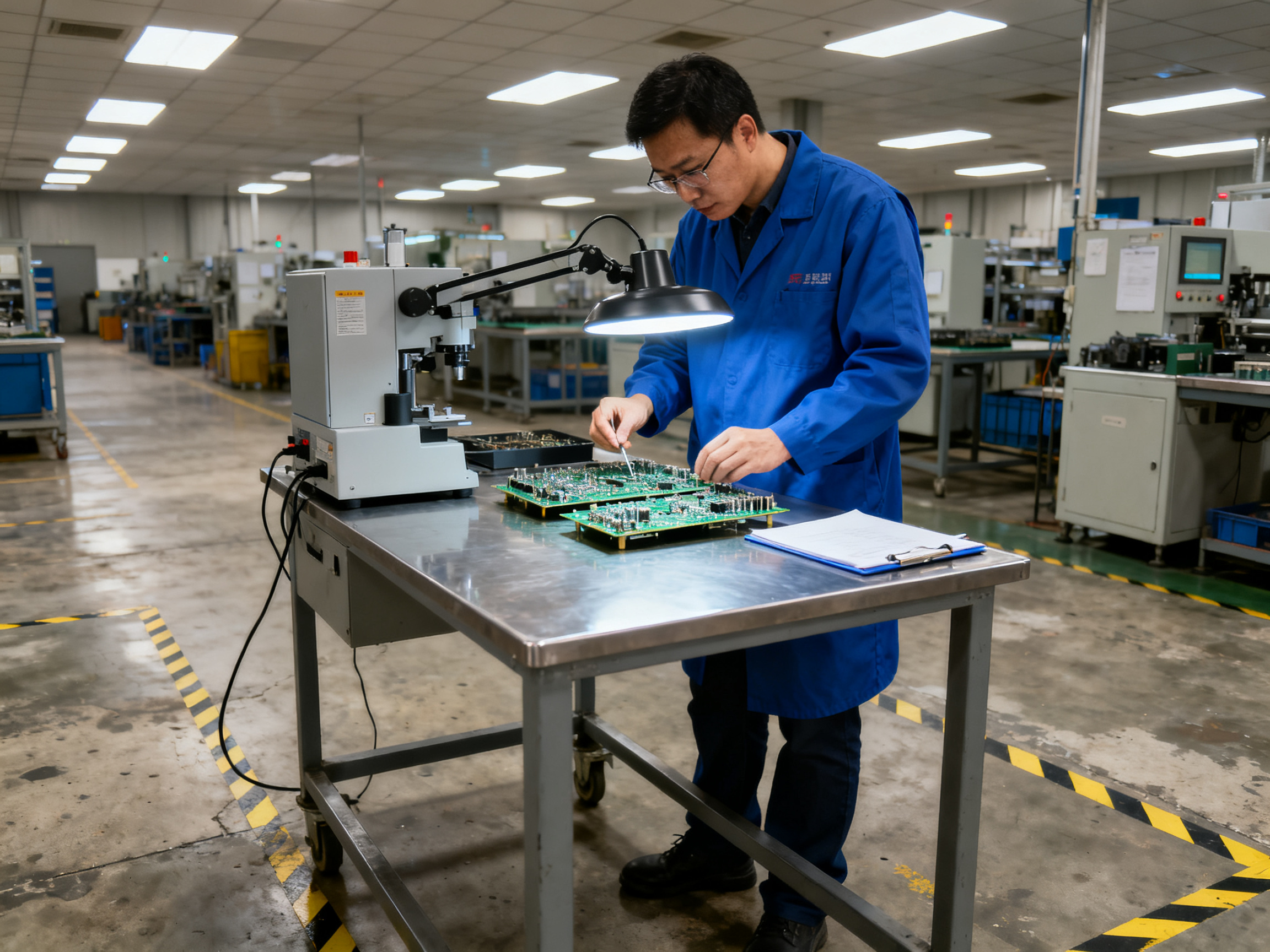
Think about the last electronic device you picked up. A smartphone, a laptop, maybe your car’s dashboard controls. Now picture the tiny components inside, all connected by thousands of tiny metal joints. Who made those connections? In most high-volume electronics factories, wave solder machines did the heavy lifting.
Wave soldering is one of the workhorses of modern electronics manufacturing. The process sounds simple in theory: you melt solder into a wave, then pass a circuit board over it so the liquid metal can flow up through holes and create solid connections. But here’s the thing, the actual execution requires serious precision. Temperature control, conveyor speed, flux application, all of it has to work together perfectly or you end up with bridges, cold joints, or components that don’t sit right.
These machines sit squarely in the SMT (Surface Mount Technology) equipment family, right alongside reflow ovens and pick-and-place systems. They handle the through-hole components that surface-mount technology alone cannot solve. In 2026, wave soldering technology has gotten smarter too. We’re seeing more automation, better process monitoring, and tighter integration with factory systems. Nitrogen-assisted atmospheres help reduce oxidation, and smart sensors can catch problems before they turn into defective boards.
If you’re comparing wave solder machine manufacturers for your production line, you’re probably looking for something that balances speed, quality, and reliability. The market has changed a lot in recent years, with new players entering and established names updating their systems. This guide walks you through everything you need to know to make a smart buying decision.
Simon Scrapes has spent over 15 years working alongside production teams in electronics manufacturing facilities. He has seen firsthand how the right wave soldering equipment can transform a struggling assembly line into a high-output operation, and conversely, how outdated systems can drag down even the best engineering teams.
Understanding Key Features of Wave Solder Machines
Modern wave solder machines come packed with features that can make or break your production line. Let’s break down what actually matters when you’re evaluating these systems.
Automation That Works in Real Factories
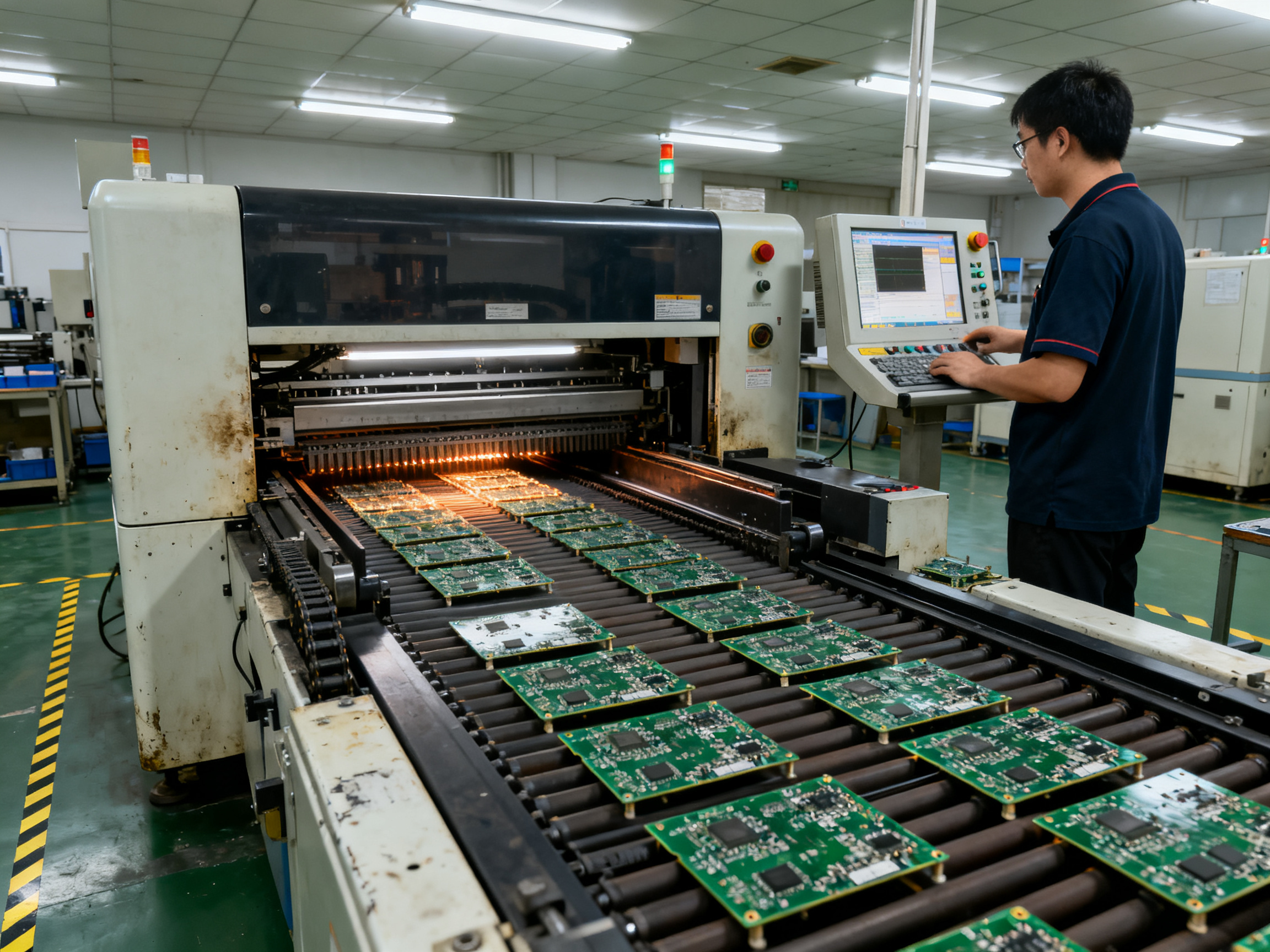
The automation features in today’s wave solder machines have gotten seriously impressive. PLC control with touchscreen interfaces lets operators select recipes, monitor processes, and make adjustments without digging through menus. Automatic flux spraying systems apply consistent coverage across every board, which means less rework and fewer callbacks.
At companies like Sun and Mountain SMT, they’ve built their wave solder systems around these automation principles. Their machines include closed-loop conveyor control that keeps transport speed stable, even when you’re pushing for maximum throughput.
Pro Insight: Look for machines with built-in process monitoring and data logging. The best wave solder systems in 2026 can feed real-time data to your factory management system, helping you catch problems before they turn into scrap.
Precision and Efficiency Numbers
Here’s where things get interesting. Wave solder machines typically run conveyor speeds between 0.5 and 2.5 meters per minute, with solder temperatures hovering around 250 to 270 degrees Celsius for lead-free work. Those numbers matter because they directly affect your throughput.
| Feature | Standard Machines | High-Performance Systems |
|———|——————|————————–|
| Conveyor Speed | 0.5 to 1.5 m/min | Up to 2.5 m/min |
| Temperature Control | Plus/minus 5 degrees C | Plus/minus 2 degrees C |
| Flux Application | Manual spray heads | Automated precision nozzles |
| Process Monitoring | Basic sensors | Full analytics suite |
Throughput usually lands somewhere between 200 and 300 boards per hour for standard wave solder setups. That’s fast. But here’s the tradeoff: faster speeds can mean slightly higher defect rates if your setup isn’t dialed in properly.
Durability and Functionality
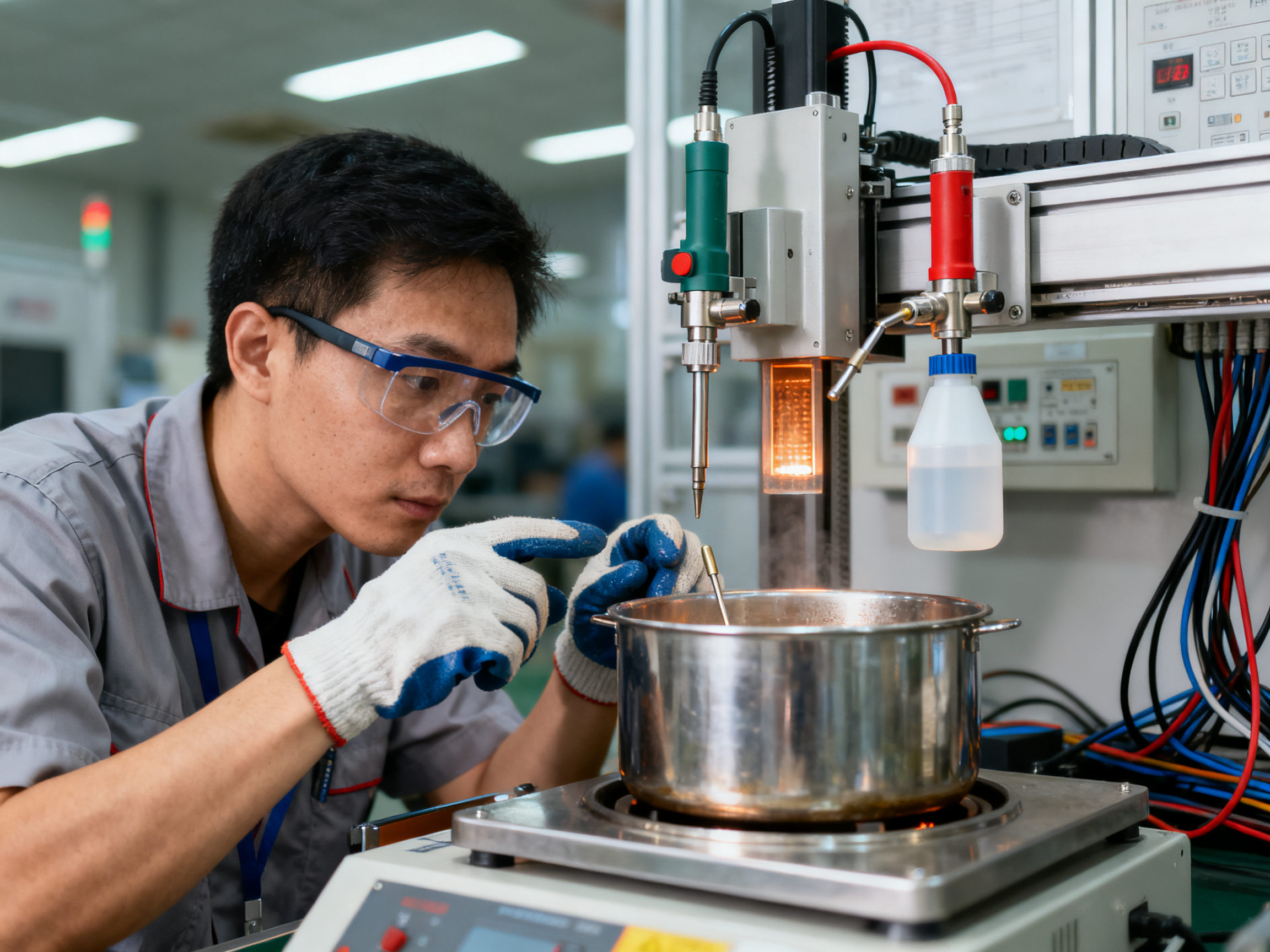
A wave solder machine is a workhorse. You want something that can run shift after shift without giving you headaches. Look for machines with multi-zone heating, finger-cleaning systems to reduce maintenance downtime, and solder pots designed for easy changeover between alloy types.
The better manufacturers build their machines with accessibility in mind. Quick-change solder pots, easy-access preheat zones, and modular flux systems all cut down on changeover time. For companies running multiple board types, these features can save hours every week.
Plus, nitrogen-assisted atmospheres have become more common in 2026. They reduce oxidation and help produce cleaner joints, which means less post-solder cleanup and better overall quality.
Comparing Wave Solder Machine Suppliers
Picking a wave solder machine supplier feels a bit like choosing a mechanic for your car. You want someone who knows their stuff, won’t overcharge you, and actually shows up when things go wrong. The market in 2026 has more players than ever, so let’s break down how to separate the solid suppliers from the ones that’ll leave you waiting.
Criteria for Selecting Reliable Suppliers
Here’s what actually matters when you’re vetting suppliers. First, look at their track record in electronics manufacturing. How long have they been building wave solder equipment? Do they specialize exclusively in soldering tech, or is it just one product line among many?
Technical support matters more than most buyers realize until something breaks at 2am on a Friday. Ask yourself: can you call someone locally, or are you waiting 48 hours for an email response from overseas? The best suppliers in 2026 offer responsive after-sales support including installation, operator training, preventive maintenance programs, and fast spare parts delivery.
Process compatibility is huge too. Your new wave solder machine needs to play nice with your existing production line. That means conveyor integration, recipe transfer capabilities, and software that talks to your factory systems.
Expert Tip: Before signing anything, ask potential suppliers for 3-5 current customer references in your industry. A confident supplier with happy customers will connect you; one with shaky product quality will stall.
Regional Suppliers vs. Global Brands
The regional versus global debate comes down to a few key tradeoffs.
Regional suppliers often win on responsiveness. They can send a technician to your facility faster, stock local spare parts, and understand your local market conditions. For companies in Asia, Europe, or North America with established electronics hubs, regional specialists can offer personalized service that big multinationals sometimes struggle to match.
Global brands like Electrovert and Vitronic Soltec bring different strengths to the table. They’ve typically got more mature platforms, broader automation integration, and standardized quality systems that work well across multiple facilities. If you’re running the same equipment at factories in different countries, global suppliers make sense.
But here’s the honest truth: the best choice depends on your situation. A mid-sized electronics manufacturer running one or two lines might get better value from a regional specialist. A global operation with dozens of machines across regions probably needs the consistency that established global brands provide.
Supplier Comparison Overview
| Factor | Regional Suppliers | Global Brands |
|——–|——————-|—————|
| Response Time | Usually faster, local support | Variable by region |
| Spare Parts | Quick local availability | May require longer lead times |
| Product Maturity | Varies widely | Generally more established |
| Multi-site Support | Limited | Strong for global operations |
| Customization | More flexible typically | Often standardized offerings |
| Pricing | Competitive for similar specs | Premium pricing common |
Sun and Mountain SMT falls into that regional specialist category, focusing on mid-to-large-scale electronics manufacturers who need reliable equipment without the premium pricing of the biggest names. Their approach emphasizes practical automation, durability, and hands-on customer support that smaller operations often appreciate.
Factors Influencing Supplier Reputation
How do you actually know if a supplier has a good reputation? Look at industry recognition, customer reviews, and years in business. Suppliers who’ve been around for a decade or more have survived market shifts and know how to support real production environments.
Industry certifications matter too. Look for suppliers whose equipment meets international standards and who can support your quality documentation needs. In regulated industries, this isn’t optional.
Ask about their service network. Can they train your operators? Do they offer preventive maintenance contracts? What’s their average response time for support requests? The answers tell you a lot about how they view customer relationships.
And finally, trust your gut during site visits. If their own facility looks disorganized or their equipment seems poorly maintained, that’s a red flag. A supplier who can’t take care of their own machines probably won’t take great care of yours either.
System Compatibility and Integration
Think about what happens when you buy a new piece of equipment that doesn’t quite fit your workspace. Maybe the door is too narrow, or the power requirements don’t match, or it just doesn’t work with your other tools. That is the kind of headache wave solder machine integration can cause if you do not plan ahead.
The real benefits of getting integration right show up in your daily output numbers. When your wave solder machine works seamlessly with your existing line, boards flow continuously without manual handling steps that slow everything down. Companies like Sun and Mountain SMT design their equipment with standard conveyor interfaces and communication protocols that fit most modern production setups. This means less time debugging compatibility issues and more time making boards.
Scalability matters too. As your business grows, your equipment should grow with you. Look for machines that offer programmable recipes for different board types, modular flux systems, and conveyor adjustments that do not require major hardware changes. The best wave solder systems in 2026 can handle board widths from small consumer electronics up to larger industrial controls, all on the same platform. This flexibility cuts down on future capital expenses because you are not buying entirely new equipment when your product mix shifts.
The efficiency gains from proper integration go straight to your bottom line. Continuous flow processing eliminates batching delays and reduces work-in-progress inventory sitting on shelves. Less manual handling also means fewer opportunities for component damage or misalignment. When your wave solder machine communicates with upstream and downstream equipment through standard protocols, you get real-time visibility into process parameters like wave height, conveyor speed, and solder temperature across your entire line.
From Our Experience: Before buying, ask potential suppliers if they offer pre-sale integration audits. The best ones will visit your facility, map your current workflow, and recommend specific equipment configurations that work with your existing line layout. That upfront planning saves months of headaches later.
Evaluating Supplier Support and Services
Here’s a truth nobody tells you when you’re shopping for wave solder equipment: the machine itself is only half the equation. The other half is what happens after the sale. I’ve seen companies save money buying cheaper equipment only to spend twice as much on emergency repairs and downtime. That’s why after-sales support should be right at the top of your supplier evaluation list.
Why Support Matters More Than You Think
Wave solder machines run hard. They sit in production environments, processing hundreds of boards every hour, dealing with molten solder, flux fumes, and constant thermal cycling. Things break. Components wear out. Settings drift. When that happens at 2am before a big shipment, you need someone who actually picks up the phone.
The best wave solder machine manufacturers in 2026 understand this. They’ve built their service networks around minimizing downtime rather than just fixing problems after they happen. That means preventive maintenance programs, remote diagnostics, and technicians who can reach your facility quickly.
Common Support Services You Should Expect
Most reputable suppliers will offer some version of these core services:
- Installation and commissioning: Getting your machine set up correctly in your facility, with proper integration into your production line.
- Operator training: Hands-on training so your staff can run the equipment confidently after startup.
- Preventive maintenance programs: Scheduled service visits to keep solder pots, heating elements, and flux systems in top condition.
- Spare parts availability: Quick access to replacement components like solder pots, heating elements, and conveyor belts.
- Technical support: Phone, online, or field support when problems arise.
- Process optimization services: Help fine-tuning your recipes for different board types and achieving better yields.
- Documentation and compliance support: Quality documentation that meets international standards and supports your own QA processes.
Expert Tip: Look for suppliers who package these services together rather than charging separately for each item. The best wave solder machine suppliers in 2026 offer comprehensive support packages that protect your investment long-term.
The Long-Term Impact of Good Support
Here’s what happens when you partner with a supplier that takes support seriously. Your equipment stays running at specification. Defect rates stay low. Your operators become more confident and skilled over time. And the machine lasts longer because it gets the maintenance it needs.
When something does go wrong, and it will eventually, you get fast resolution instead of watching your production line sit idle waiting for help. That reliability flows through your entire operation, making it easier to plan output, meet deadlines, and keep your customers happy.
The best supplier relationships feel more like partnerships than transactions. They want your production line to succeed because their reputation is on the line too.
Sun and Mountain SMT understands this philosophy. Their support model emphasizes hands-on responsiveness and local spare parts availability, which matters most for mid-to-large operations where any downtime hits the bottom line hard.
Cost Considerations and Financial Models
Here’s what nobody tells you about buying a wave solder machine: the price tag on the quote is usually just the beginning. When you’re evaluating equipment purchases, the sticker price barely scratches the surface of what you’ll actually spend. I learned this the hard way years ago with my first major production line investment. The machine itself looked affordable until I started tallying up installation, training, spare parts, and those endless service fees.
Understanding the Real Cost of Ownership
Modern wave solder systems have gotten better at controlling these hidden expenses through energy-efficient designs and easier maintenance. But you still need to account for the full picture before signing anything. The total cost of ownership includes your purchase price, plus installation, facility modifications, operator training, ongoing maintenance, spare parts, utilities, and service contracts.
In 2026, wave solder machine costs span a wide range. Entry-level systems start around $40,000, mid-range machines run $80,000 to $150,000, and high-performance systems with advanced automation can exceed $250,000. Your actual spend depends on throughput needs, process requirements, and automation level.
Buying Versus Leasing: The Real Numbers
The buying versus leasing debate comes down to your cash position and how long you plan to run the equipment. Here’s the practical breakdown:
| Financial Factor | Buying | Leasing |
|——————|——–|———|
| Upfront Cost | Full purchase price | Security deposit plus first month |
| Monthly Payments | None after purchase | Predictable monthly amount |
| Maintenance | You handle costs directly | Often bundled into payments |
| Tax Benefits | Depreciation deductions | Deductible lease payments |
| Residual Value | You own it, sell later | No equity built up |
| Technology Refresh | Tied to your asset | Easier to upgrade |
Buying makes more sense if you plan to run the machine for five years or longer. Leasing wins if cash flow matters more than long-term savings, or if you like refreshing equipment every few years to stay current.
Making the Smart Financial Decision
My advice? Build a three-year and five-year cost projection for both options before talking to suppliers. Factor in your expected defect rates, throughput gains, and how much downtime actually costs your operation. The numbers usually tell you which path makes sense for your situation.
Sun and Mountain SMT helps buyers work through these calculations so they choose equipment and financing that actually fit their production goals.
Conclusion and Expert Recommendations
So where does that leave you? After walking through features, suppliers, costs, and support, the real answer is simple: the best wave solder machine is the one that fits your specific situation. There is no universal champion here. A high-volume operation running the same board design 24/7 has completely different needs than a flexible manufacturer switching between product types every week.
Here’s what I would tell a friend looking for equipment in 2026. First, honestly assess your throughput needs and defect tolerance. If you’re pushing 300 boards per hour with tight quality specs, the higher-end machines with precision control and nitrogen atmospheres will pay for themselves through lower rework costs. If you’re running smaller batches or have more tolerance for manual inspection, a mid-range system might be the smarter play.
Second, don’t skip the supplier evaluation. The machine itself matters, but support matters just as much. Ask tough questions about response times, training, and maintenance programs before you sign anything.
Third, think beyond the sticker price. Running the numbers on total cost of ownership usually changes the picture. Sometimes a more expensive machine with better efficiency and durability costs less over five years than a cheap system that needs constant attention.
From Our Experience: The buyers who get the best results treat this as a partnership, not a purchase. They visit supplier facilities, talk to current customers, and spend time understanding their own process before making a decision. That preparation pays off in smoother integration and fewer surprises down the road.
Sun and Mountain SMT continues to focus on mid-to-large-scale electronics manufacturers who need reliable equipment backed by responsive support. Their approach works well for companies that want solid performance without the premium pricing of the biggest global brands.
Key Takeaways Summary
| Factor | What to Look For | Red Flags |
|——–|——————|———-|
| Precision | Temperature control within 2 degrees C | Basic sensors only |
| Throughput | 200+ boards per hour realistic | Untested speed claims |
| Automation | PLC with recipe storage, data logging | Manual adjustments required |
| Support | Local technicians, fast response | Overseas support only |
| Integration | Standard protocols, compatible interfaces | Proprietary systems only |
| Total Cost | Factor in 3-5 years of maintenance | Looking at sticker price only |
The wave solder machine market in 2026 has solid options at every price point. Your job is figuring out which one actually solves your production problems without creating new ones.