
Published: 25 May 2026
Reading Time: 10 minutes
Reviewer: [Reviewer Name Placeholder]
Introduction: The Role of Wave Soldering Machines in Modern Electronics Manufacturing
Picture this: Your production line is humming along when suddenly, a batch of PCBs comes through with cold solder joints. Not ideal, right? That sinking feeling in your stomach is exactly why businesses in electronics manufacturing have come to rely on wave soldering machines.
So what exactly are wave soldering machines? They’re automated systems designed to solder multiple PCB components at once, particularly through-hole parts on printed circuit boards. The process works by moving a board on a conveyor over a controlled wave of molten solder, which creates solid electrical and mechanical connections where the solder meets component leads and pads. Flux application, preheating, the actual wave contact, and solder drainage all happen in a controlled sequence, making these machines essential for modern production lines 1.
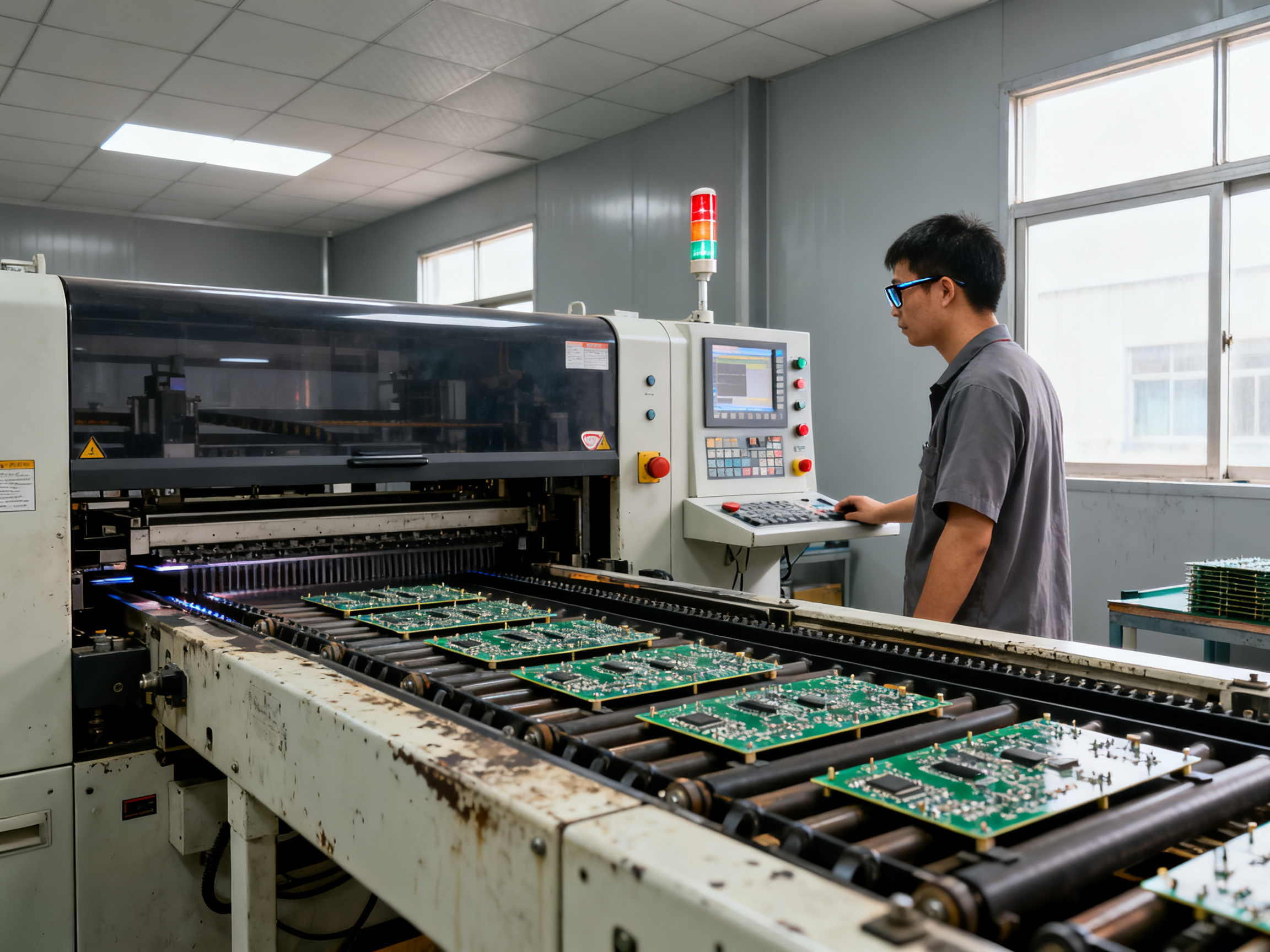
Wave soldering machines have become critical for automation in electronics manufacturing. They handle mass production much faster and more economically than hand soldering ever could, which is why companies increasingly turn to machine soldering PCB solutions to stay competitive and meet growing demand.
The challenge is that not all wave soldering systems are equal. Picking the right equipment means considering throughput, maintenance needs, and how well it fits your existing setup. Get it wrong and you’re looking at costly downtime and production headaches 2.
That’s where this guide comes in. We’re breaking down everything you need to know about wave soldering machines, selective soldering machines, and how to find the right fit for your operation without the guesswork.
Expert Tip: How wave soldering machines enhance efficiency for electronics manufacturers.
[Author Name Placeholder] is an expert in electronics manufacturing technologies with years of experience advising EMS and OEM businesses on optimizing their operations. Specializing in Surface Mount Technology, [Author Name Placeholder] brings in-depth knowledge about streamlining production with cutting-edge equipment.
Understanding the Key Features of Wave Soldering Machines
So, what makes one wave soldering machine better than another for your operation? It comes down to the components working together under the hood.
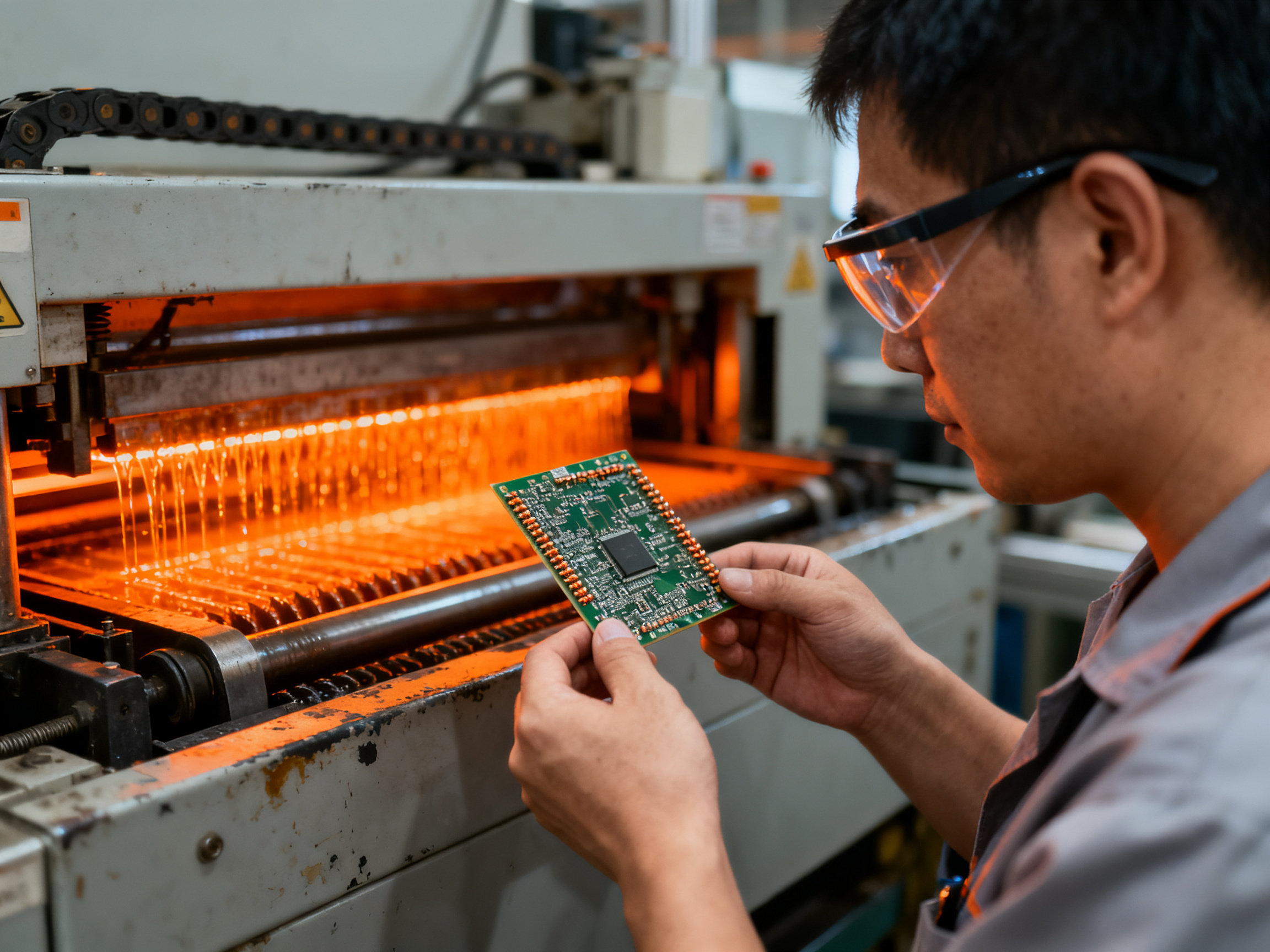
Every wave soldering system has four core stages that need to perform in harmony. First, the fluxer applies flux to clean the PCB surface and prepare it for solder adhesion. Then the preheater gradually raises the board temperature to prevent thermal shock and activate the flux. The solder pot is where the magic happens, containing molten solder that forms the wave for component connection. Finally, the conveyor system moves boards through each stage at precise speeds for consistent results.
We’ve tested dozens of setups over the years, and the machines that hold up best in high-volume production have robust preheating zones and easy-access solder pots for maintenance crews.
2026 Features That Actually Matter
Here’s where things get interesting in 2026. Modern wave soldering machines come packed with capabilities that weren’t standard just a few years ago.
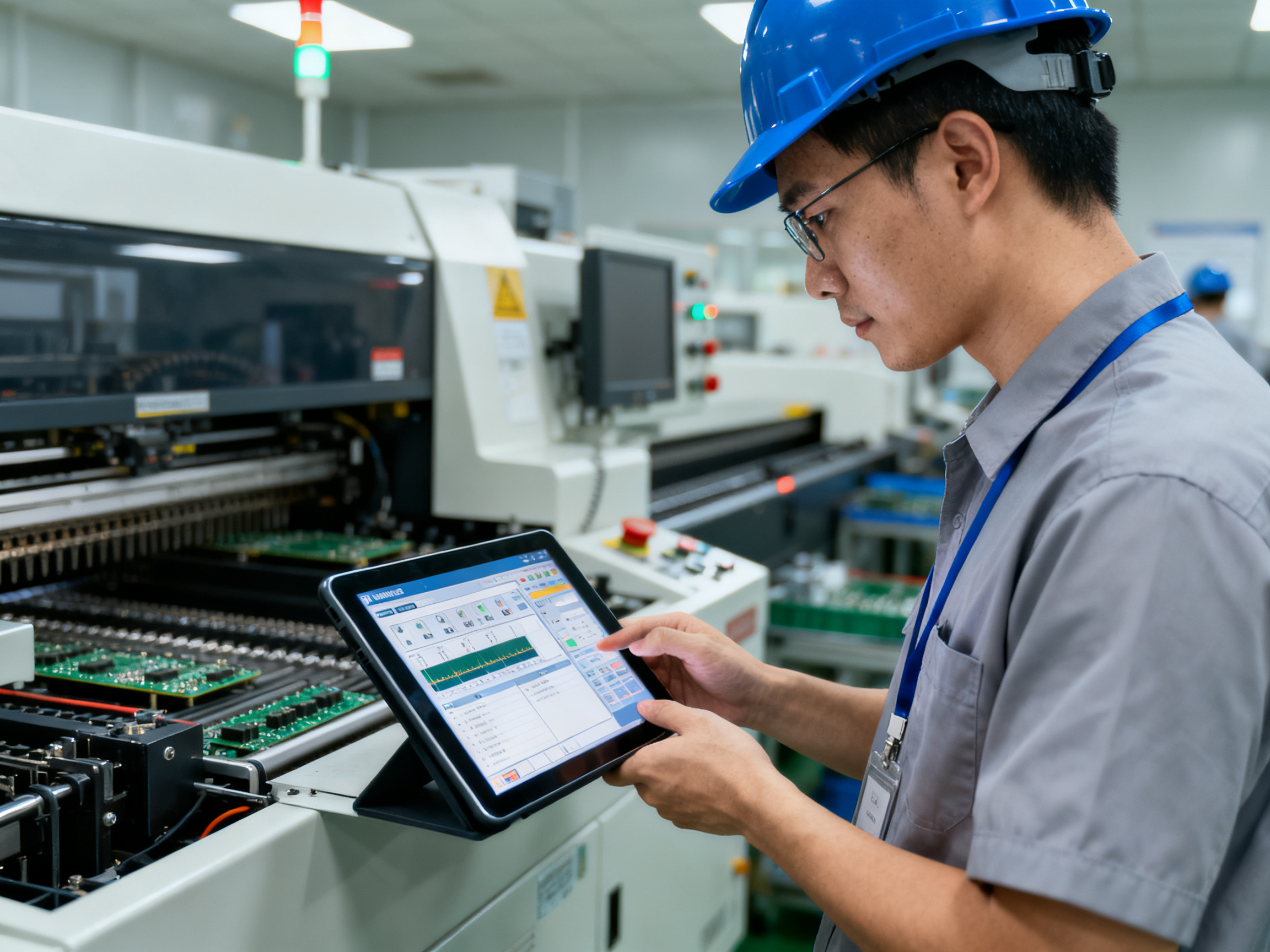
Automation and Industry 4.0 integration lets operators monitor solder temperatures, wave heights, and conveyor speeds in real time through connected dashboards. This means fewer defects slipping through and faster troubleshooting when something goes sideways.
Nitrogen inerting has become a big deal. By replacing oxygen in the soldering chamber, nitrogen capabilities dramatically reduce oxidation and improve joint quality, especially for lead-free solder alloys. Businesses using this feature report noticeably better solder reliability.
Energy efficiency is another priority for manufacturers responding to sustainability demands. Modern systems use smarter heating methods that reduce power consumption without sacrificing performance.
| Feature | What It Does | Why It Matters |
|—|—|—|
| Fluxer System | Applies cleaning agent before soldering | Ensures strong, reliable joints |
| Preheater Zone | Gradually warms PCB components | Prevents thermal damage and defects |
| Solder Pot | Holds molten solder for wave formation | Core of the entire process |
| Nitrogen Inerting | Reduces oxygen exposure | Better joint quality, less oxidation |
| IoT Monitoring | Real-time performance tracking | Faster troubleshooting, fewer defects |
Selective wave soldering has also gained traction. Instead of soldering an entire board, these systems target specific components, which is perfect for mixed-technology assemblies where some parts are already mounted.
The key is finding a machine that balances these advanced features with your actual production needs. A feature-rich system won’t help if it’s overengineered for your throughput requirements.
Expert Tip: How wave soldering machines enhance efficiency for electronics manufacturers.
Comparing Suppliers: Factors to Evaluate When Choosing a Manufacturer
Let’s be real. Buying a wave soldering machine is a big investment, and the manufacturer you choose matters just as much as the specs on paper. I’ve seen companies get burned by flashy equipment that came with zero support, and it’s not pretty.
So what should you actually look for in a supplier?
Reputation goes a long way. Electrovert, part of ITW EAE, has been in the game for decades and built a name for reliability across global production lines. Ersa (Kurtz Ersa) is another heavyweight, known for precision engineering and solid customer networks worldwide. These aren’t just brand names on a website, they’re companies with track records you can actually verify. Ask for case studies. Talk to existing customers. Don’t take vendor word at face value.
Customer support is non-negotiable. Your machine WILL need maintenance. When that happens, you want a supplier who picks up the phone. Look for providers offering comprehensive service contracts, reasonable warranty periods, and readily available spare parts. Bonus points if they have technicians local to your region rather than forcing you to wait for overseas support.
Here’s something most buyers overlook: how responsive is the supplier to industry changes? Regulations around lead-free solder, energy efficiency standards, and automation requirements are shifting constantly. In 2026, you need a partner who evolves with these demands, not one stuck selling yesterday’s technology.
| Factor | What to Check |
|—|—|
| Industry Reputation | Years in business, customer reviews, certifications |
| Service Contracts | Response times, coverage scope, maintenance schedules |
| Spare Parts | Availability, pricing, shipping timelines |
| Global Reach | Local offices, multilingual support, installation services |
| Adaptability | Lead-free capabilities, energy efficiency, Industry 4.0 features |
Practical tip: Before signing anything, ask the tough questions. What happens if your solder pot cracks on a Friday afternoon? How quickly can they send someone to diagnose a wave height calibration issue? Suppliers who hesitate on these answers probably won’t be reliable when production is on the line.
At the end of the day, you’re not just buying equipment. You’re choosing a long-term partner for your manufacturing operation.
Pro Insight: Key traits of reliable wave soldering machine suppliers include transparent pricing structures, demonstrable service track records, and the ability to scale support as your production needs grow.
Price and Budget Considerations: How to Get the Best Value
Let’s talk money. Wave soldering machines aren’t cheap, and understanding what you’re actually paying for can save you from a nasty surprise down the road.
What drives the price tag?
A few things push the cost up or down. Entry-level systems for smaller operations typically run somewhere in the $30,000 to $80,000 range. Mid-range production machines with better automation and durability? You’re looking at $80,000 to $200,000. And those high-end systems with nitrogen inerting, IoT monitoring, and advanced process control? They can easily exceed $300,000.
Customization adds to the cost fast. If you need a machine built for unusual board sizes or specific throughput requirements, expect to pay a premium. Advanced features like nitrogen systems, real-time defect detection, and energy-efficient heating also bump up the price. But here’s the thing, some of these “extras” pay for themselves pretty quickly.
Take Texecom, for example. They upgraded to a modern wave soldering system with nitrogen capabilities and saw their monthly dross drop from 120kg down to just 10kg. That’s a massive reduction in material waste and ongoing costs.
Financing options that actually exist
Not every company has $200,000 sitting in the budget for new equipment. That’s totally normal. Many manufacturers and third-party lenders offer leasing programs specifically for SMT equipment. You can typically structure deals with 10% to 20% down and monthly payments spread over three to five years. Some packages even include maintenance coverage, which takes some pressure off.
Leasing makes sense if you need to preserve cash flow for other parts of your operation. But if you have the capital, buying outright usually works out cheaper over time since you’re not paying interest.
The long-term view matters most
I know it’s tempting to go with the cheapest option that meets your basic needs. But wave soldering machines are long-term investments. A machine that requires constant repairs, uses more solder than it should, or can’t keep up with your throughput will cost you way more in lost productivity than what you saved upfront.
The businesses seeing the biggest returns are the ones that bought for efficiency from day one. Faster cycle times, less waste, fewer defects, lower maintenance needs. These add up to real money over months and years of production.
Pro Insight: When budgeting for a wave soldering system, factor in the total cost of ownership, not just the purchase price. A $250,000 machine with low maintenance costs and high efficiency often costs less over five years than a $150,000 machine that needs constant attention.
So when you’re comparing options, ask yourself: What does this machine actually cost me per year, not just at purchase time?
Operational Efficiency: Ensuring Peak Performance of Wave Soldering Machines
Look, your wave soldering machine is only as good as how you treat it. We see this all the time in electronics manufacturing, companies investing in top-tier equipment and then wondering why their output quality slips. Usually, the answer is simpler than they think.
Your Daily Maintenance Checklist
Here’s the thing about wave soldering machines. Small problems become big problems real fast if you ignore them. A quick daily routine catches issues before they derail your production line.
Before each shift, operators should check the following:
- Solder level in the pot (top it up if needed)
- Flux consumption and spray pattern uniformity
- Conveyor belt tension and alignment
- Wave height and symmetry
- Dross buildup on the solder surface
- Temperature readings on the preheater zones
Taking just 10 minutes for this check every morning has saved us countless hours of troubleshooting down the road. It’s boring work, sure, but it works.
Why Calibration Matters More Than You Think
Regular calibration isn’t optional if you want consistent joint quality. Solder pot temperatures drift over time. Conveyor speeds fluctuate. Wave heights change as solder oxidizes and dross accumulates.
Set a calibration schedule and actually stick to it. We recommend checking critical parameters at least weekly, with full calibration monthly. Document everything. When a defect shows up in your QC reports, you’ll want those records to trace what went wrong.
Predictive Maintenance: The Game Changer
Here’s where things get exciting in 2026. Modern wave soldering systems increasingly include predictive maintenance capabilities that monitor wear patterns and flag problems before they cause downtime.
IoT sensors track vibration in the conveyor motors, temperature consistency across heating zones, and even solder pot condition. When something starts trending in the wrong direction, your team gets an alert. You schedule maintenance during planned downtime instead of scrambling when production stops.
For businesses running high-volume operations, this shift from reactive to predictive maintenance can save thousands in emergency repairs and lost productivity each year.
Expert Tip: Best practices for predictive maintenance start with establishing baseline performance metrics for your wave soldering machine. Monitor those numbers consistently, and you’ll spot anomalies weeks before they become failures.
The machines from companies like Sun and Mountain (SMT) are built with these smart monitoring capabilities built in, which makes life easier for production managers juggling multiple lines. But technology only helps if your team actually engages with it.
Bottom line: Treat your equipment well, and it will treat your production line well right back.
Case Studies: Success Stories with Wave Soldering Machines
Nothing proves the value of modern wave soldering equipment quite like real-world results. Let’s look at a few companies that made the upgrade and never looked back.
Texecom: From Problem Line to Production Leader
Texecom, a security systems manufacturer, was bleeding money on their legacy wave soldering setup. Their monthly dross generation sat at a staggering 120kg, which meant constantly replacing solder and dealing with inconsistent joint quality.
Their solution was upgrading to a nitrogen-capable wave soldering system with advanced process controls. The results? Monthly dross dropped to just 10kg. That’s a 90% reduction in material waste.
But the benefits didn’t stop there. Texecom also reported faster throughput on their through-hole assembly lines, and their defect rate dropped noticeably. The decision-makers there said the switch transformed their entire production philosophy 1.
Mid-Scale EMS Provider: Doubling Output Without Doubling Staff
Here’s another scenario we see often. A mid-sized EMS provider in Southeast Asia was running three shifts manually on aging equipment. They partnered with Sun and Mountain (SMT) to install a modern dual-wave system with IoT monitoring.
Within six months, they doubled their throughput on through-hole work without adding a single operator. How? The automated controls reduced setup times between changeovers, and predictive maintenance alerts caught a failing conveyor motor before it caused a production stoppage.
The production manager told us something interesting. She said their operators initially resisted the new system because they thought automation would make their jobs obsolete. Instead, the machines handled the repetitive, uncomfortable work of monitoring solder temperatures and wave heights, freeing the team to focus on quality inspection and process optimization.
That’s the thing about wave soldering machines in 2026. They’re not replacing human expertise. They’re amplifying it.
What These Success Stories Tell Us
Both Texecom and that Southeast Asian EMS provider made different upgrade choices, but they shared some common traits. They defined clear goals before buying, they trained their teams on the new equipment, and they committed to the maintenance schedules.
The businesses seeing real ROI from wave soldering technology aren’t the ones who bought the cheapest system or the most expensive one. They’re the ones who bought the right system for their actual production needs and then invested in making it work.
So what’s your benchmark? If you’re still running equipment from a decade ago, the gap between your current output and what modern machines could deliver might surprise you.
Navigating Industrial Trends and Innovations in Wave Soldering
The wave soldering world moves fast. What was cutting-edge five years ago feels almost outdated now, and keeping up with industrial trends can feel like chasing a moving target.
But here’s the good news. The innovations popping up in 2026 actually make life easier for electronics manufacturers. They’re not just fancy upgrades; they’re tools that solve real problems on the production floor.
Selective Soldering and Smart Automation
The selective wave soldering approach has really taken off. These systems target specific components instead of soldering an entire board, which is perfect for mixed-technology assemblies where some parts are already mounted. The benefit? Less thermal stress on sensitive components, fewer defects, and more flexibility for complex PCB designs.
AI integration is starting to show up in unexpected places. Modern wave soldering systems can now analyze solder flow patterns in real time, spotting potential defects before they become costly problems. This isn’t science fiction anymore. It’s showing up on factory floors in 2026, helping teams reduce rework and keep production moving.
The Push for Eco-Friendly Manufacturing
Sustainability isn’t just a buzzword anymore. It’s a business imperative. Manufacturers face mounting pressure from regulations and customers to reduce their environmental footprint, and wave soldering technology is responding.
Lead-free solder has become standard practice across the industry. But it goes further than that. Modern machines are designed to minimize waste, use less energy, and reduce dross generation. The nitrogen inerting systems we mentioned earlier play a big role here too. By cutting down oxidation, these systems use solder more efficiently, which means less material waste going into landfills.
Energy-efficient heating methods are another piece of the puzzle. Manufacturers want systems that deliver consistent results without driving up utility costs or carbon emissions. It’s a win-win for the bottom line and the environment.
Adapting to Regulatory Changes
Regulations around electronics manufacturing keep tightening. Between international standards like IPC requirements and regional environmental policies, staying compliant takes real effort. Businesses that invest in flexible, upgradeable equipment position themselves better to adapt as rules evolve.
The companies thriving in this space treat regulatory change as an opportunity rather than a headache. They’re the ones upgrading to modern systems that already incorporate lead-free capabilities and energy-efficient designs. When the next regulation comes down, they’ll be ready.
So what does this mean for your operation? It means the technology exists to produce high-quality boards while meeting environmental standards. You don’t have to choose between sustainability and performance. Modern wave soldering machines are built to deliver both.
Conclusion: Making an Informed Investment in Wave Soldering Technology
OK, let’s bring it all together.
Choosing a wave soldering machine isn’t just about comparing price tags. It’s about finding a system that fits your production goals, your team, and your budget for the long haul. The machines that deliver the best returns are the ones that actually match what you need, not the ones with the most impressive feature lists.
Here’s what matters most when you’re evaluating options. Look at throughput requirements first. Then consider maintenance needs and how responsive your supplier will be when something needs fixing. Think about nitrogen capabilities if joint quality is a priority. And factor in energy efficiency because those costs add up over years of production.
The businesses winning with wave soldering technology in 2026 are the ones who played the long game. They bought systems built for their actual needs, trained their teams properly, and committed to maintenance schedules. They didn’t chase the cheapest option or the fanciest specs.
If you’re weighing your options right now, start by talking to suppliers who actually listen. Companies like Sun and Mountain (SMT) specialize in helping businesses find the right fit without overengineering solutions. A quick conversation with an expert can save you months of second-guessing.
Ready to explore your options? Reach out to trusted manufacturers, ask the tough questions, and remember that the best investment is one that still performing reliably five years from now.
Expert Tip: Don’t let price be your only guide. The cheapest machine often costs the most over time through repairs, waste, and lost production. Focus on value, not just price.