> **Published:** 16 February 2026
> **Reading Time:** 9 minutes
> **Reviewer:** Simon Scrapes, Founder
---
You know that sinking feeling when a board comes out of the oven and one side looks fine, but the other side has dull joints, bridges, or parts that shifted just enough to ruin the run? If you've been there, you're not alone. Picking the best reflow oven in 2026 is not just about heat. It's about repeatable results, less scrap, and buying a machine that fits the way you actually build boards.
For some teams, the [best reflow oven for PCB assembly](https://www.chuxin-smt.com/how-to-choose-the-best-smt-reflow-oven-for-your-production/) is a compact benchtop unit that handles prototypes all week. For others, it's a full SMT reflow oven with tighter control, smarter monitoring, and room to grow. And if you're a hobbyist, you probably want something simple, safe, and not wildly overpriced. That's the tricky part. One buyer's good reflow oven is another buyer's expensive bottleneck.

This guide compares what matters most, from budget picks to best benchtop reflow oven options and higher-output SMT systems, so you can choose with more confidence and fewer regrets.
>*Author bio: This article is reviewed with an electronics manufacturing lens and is intended for teams comparing SMT and PCB assembly equipment for real production use. If you work in EMS, OEM production, or small-batch prototyping, the advice here is built around day-to-day shop floor needs.*
## Why reflow oven choice feels harder in 2026
In May 2026, buyers are dealing with smaller parts, tighter process windows, and more pressure to cut waste. So the old approach, buy the cheapest machine that gets hot, just doesn't hold up well anymore. Modern assemblies often need steadier thermal performance and better profile control, especially as SMT lines keep pushing toward finer-pitch work and more automation. Industry trend reporting from [SMT market coverage on 2026 production changes](https://www.etek-europe.com/smt-in-2026-and-beyond-key-trends-reshaping-electronics-assembly/) points to miniaturization, smarter inspection, and connected factory workflows as big factors shaping equipment decisions.
That means the best reflow oven for pcbs depends on your real workload:
- One-off prototype boards
- Small production batches
- Daily benchtop use
- Full conveyorized SMT output

And yes, budget still matters. A lot. But here's the thing, low price can become high cost if thermal drift, uneven heating, or downtime keeps eating boards and labor hours.
## What to Look for in a PCB Reflow Oven
If you're trying to sort good options from flashy listings, start with the basics. The best reflow oven for pcb work usually gets these five things right.
### 1. Temperature control
You want stable, repeatable heating across the full profile. Preheat, soak, reflow, cooling, all of it matters. If the oven can't hold a profile well, your solder joints will tell on it fast.
### 2. [Even heat across the chamber or zones](https://www.chuxin-smt.com/convection-reflow-oven-vs-other-smt-solutions-which-is-better-for-electronics-manufacturing/)
Cold spots are trouble. Hot spots are too. Uneven heat can create tombstoning, poor wetting, and weird defects that waste time because they look random at first.
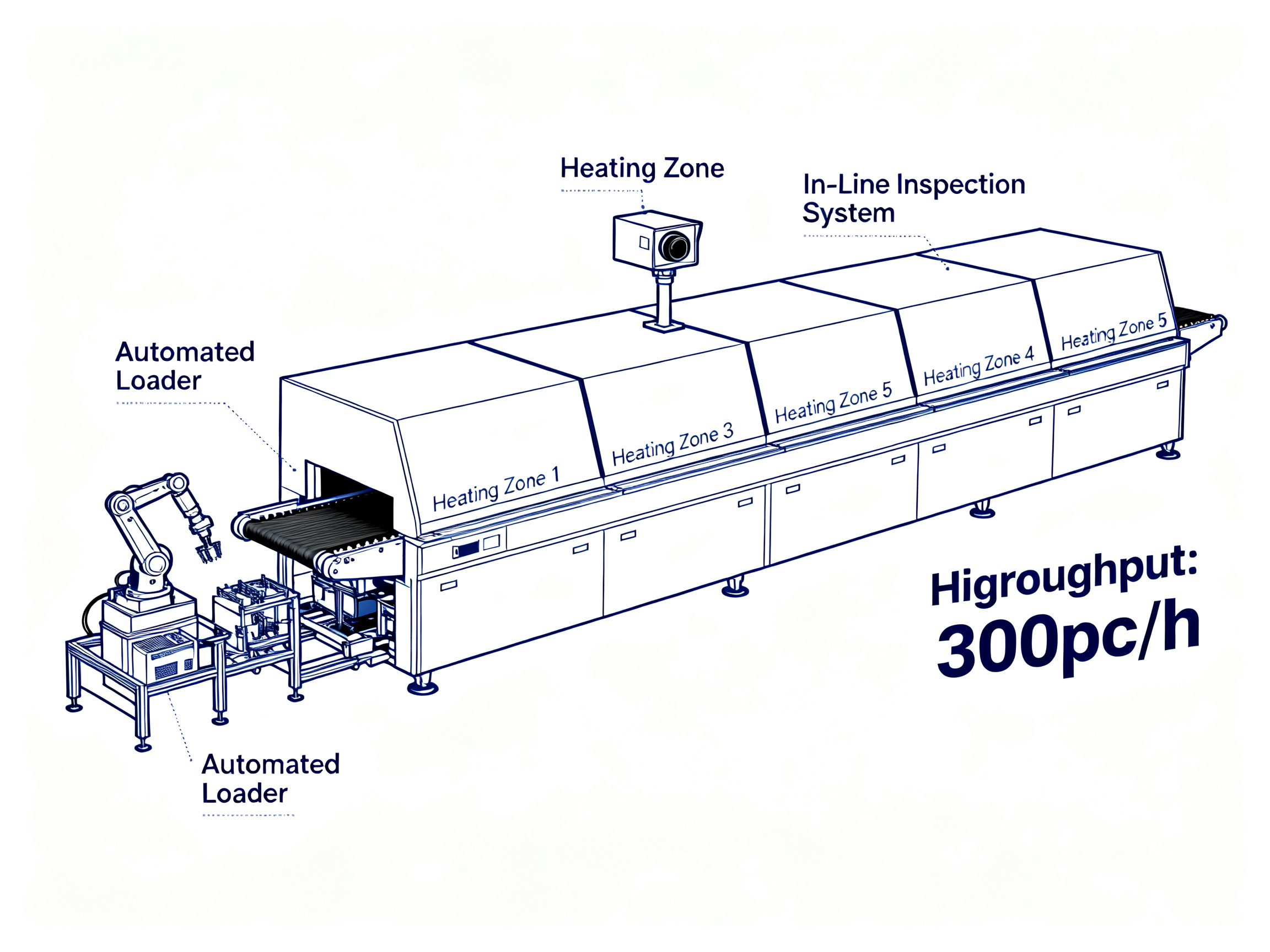
### 3. Throughput that matches your bench or line
A best small reflow oven may be perfect for 10 boards a day, but it won't feel so perfect when demand jumps to 150 boards by Thursday afternoon.
### 4. Maintenance and reliability
Fans, sensors, controllers, and conveyors all wear over time. Faults in these areas can hit yield and process stability, as explained in this overview of [common reflow oven faults and manufacturing impact](https://kicthermal.com/article-paper/common-reflow-oven-faults-and-their-impact-on-electronics-manufacturing/). That matters whether you're buying a best cheap reflow oven or a higher-end line machine.
### 5. Support and spare parts
This one gets skipped way too often. A machine is only as useful as your ability to keep it running.
> **Expert Tip:** When you assess a lower-cost oven, ask about sensor quality, fan life, controller accuracy, and spare part lead times first. Those details usually tell you more about long-term reliability than the sticker price does.
### Quick buyer checklist
| What to check | Why it matters |
|---|---|
| Profile control | Helps keep solder joints consistent |
| Chamber or zone uniformity | Reduces hot and cold spots |
| Board size capacity | Stops you from outgrowing the oven too fast |
| Maintenance access | Makes service work faster |
| Vendor support | Cuts downtime if parts fail |
| Energy use | Helps control operating cost |
## Best reflow oven types for different users
Let's make this easier. Not every buyer needs the same class of machine.
### For hobbyists and makers
The best hobby reflow oven is usually compact, simple to run, and affordable enough that one bad month doesn't wreck the budget. You may see toaster-oven-style conversions and entry-level desktop units. Some can work. But they often need tweaking, testing, and patience. Sometimes a lot of patience.
### For labs, startups, and prototype teams
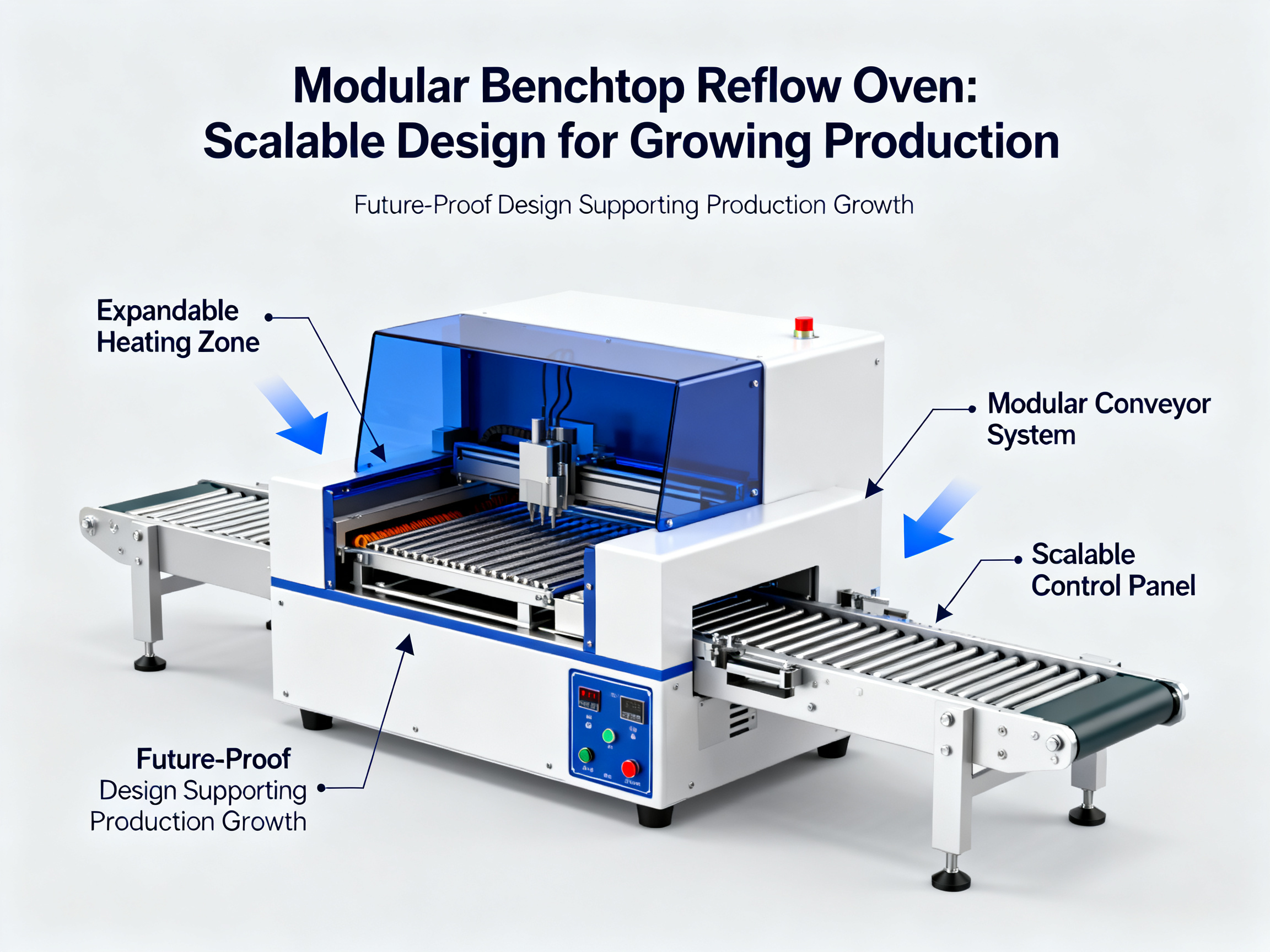
The best desktop reflow oven or best benchtop reflow oven gives you better control in a smaller footprint. This is often the sweet spot for engineers building short runs, validating designs, or supporting NPI work.
### For growing production shops
The best reflow oven for pcb assembly at this level usually means more automation, stronger thermal consistency, and more predictable throughput. If you're running batches daily, a stronger benchtop or compact conveyor model can save a surprising amount of labor.
### For EMS and OEM manufacturers
The [best smt reflow ovens](https://www.chuxin-smt.com/best-reflow-oven-for-smt-production-top-features-guide/) are built for repeatability, logging, production speed, and integration with line equipment. That's where brands and system design matter more than bargain pricing.
## Final thoughts
The smartest buyers in 2026 are not chasing the flashiest spec sheet. They're picking the reflow soldering machine that fits their boards, staff, volume, and risk level today, while still leaving room for growth tomorrow. That's a boring answer, maybe. But boring, stable production usually beats exciting rework every single time.