
Published: 25 May 2026
Reading Time: 8 minutes
Reviewer: Simon Scrapes, Founder
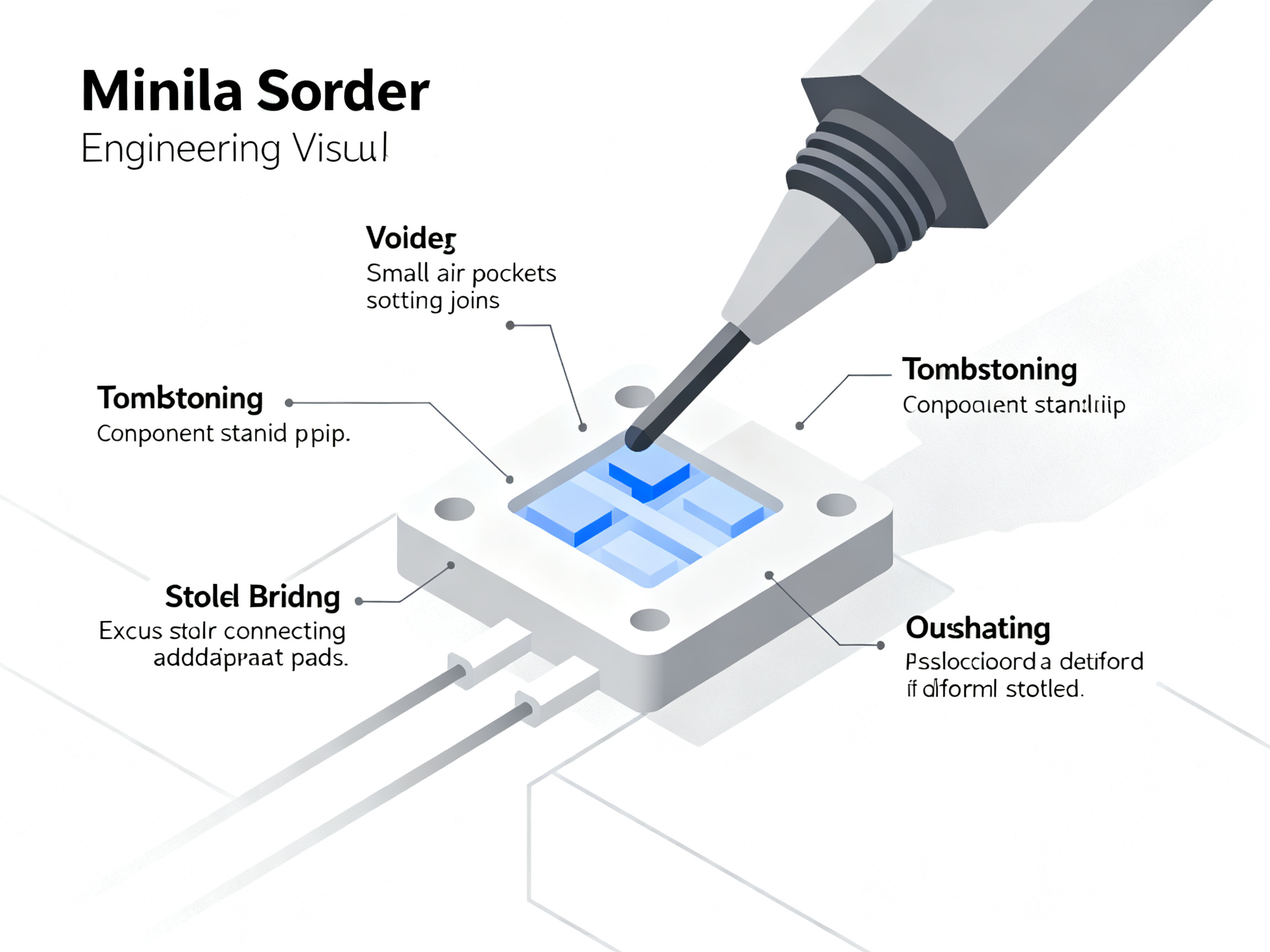
You know that sinking feeling when a production run looks fine at first, then solder defects start showing up board after board? In SMT work, that usually points back to one thing: the reflow soldering temperature profile. A small shift in heat, timing, or cooling can turn a clean run into tombstoning, solder bridging, voids, or weak joints.
That is why reflow soldering temperature matters so much. It shapes solder joint strength, helps protect sensitive parts, and plays a big part in how long the finished PCB lasts. Reflow soldering is still the go-to method for attaching surface-mount parts in modern electronics because it supports fast, repeatable assembly for fine-pitch and compact designs as explained in this overview of reflow soldering.
But getting the best reflow soldering temperatures is not as simple as picking one peak number and hitting start. Different board sizes, mixed thermal masses, lead-free materials, and tighter quality targets in 2026 all make profile setup harder. If you’re trying to improve yield, reduce scrap, or choose a better oven for your line, understanding the reflow oven temperature profile is a really good place to start.
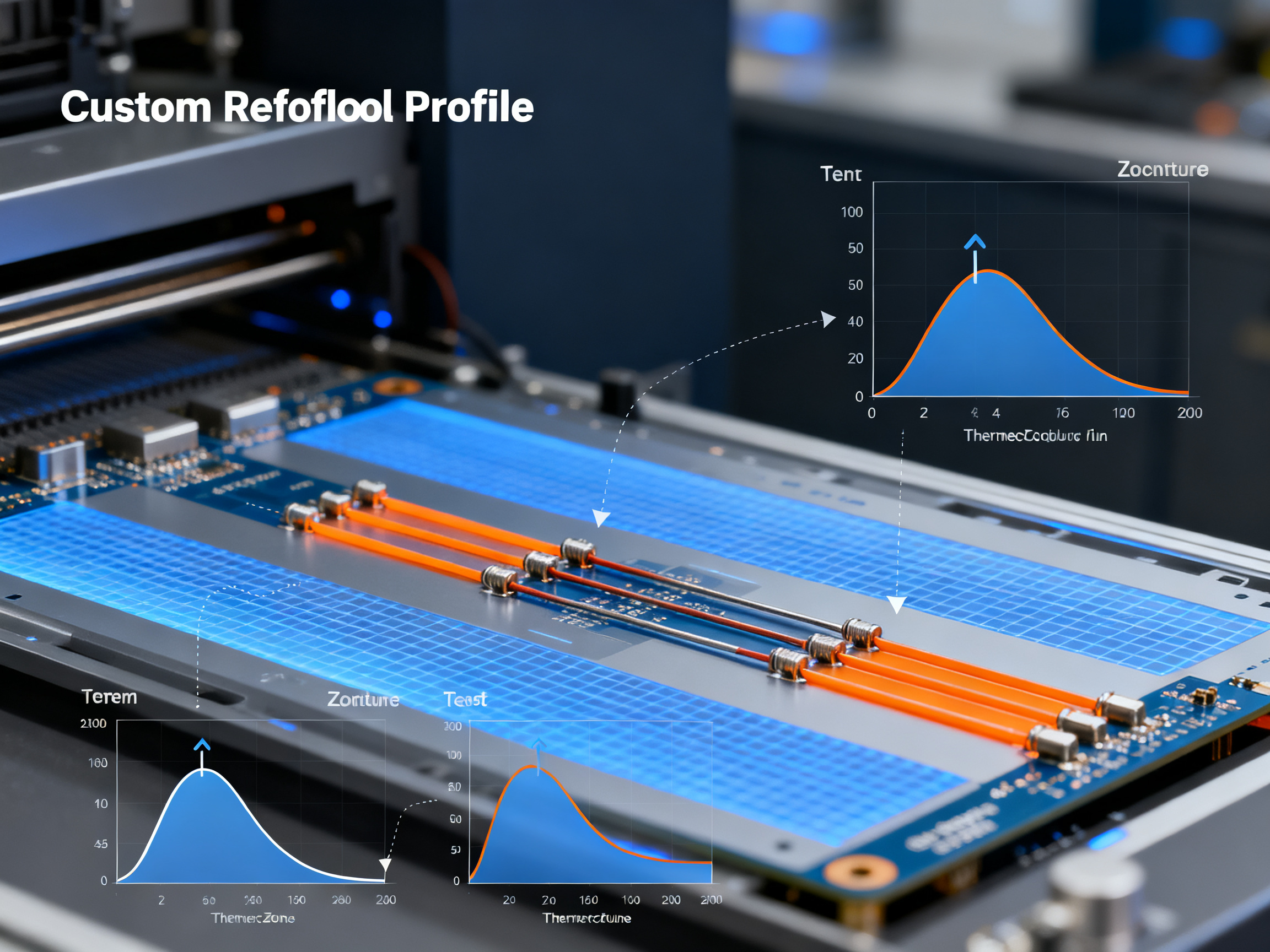
What a Reflow Soldering Temperature Profile Really Means
A reflow soldering temperature profile is the full heat path a PCB follows as it moves through the oven. Think of it like a map. It shows how fast the board heats up, how long it stays in each zone, when the solder paste melts, and how the board cools back down.
That sounds simple. It isn’t always.
In real SMT work, the reflow soldering temperature curve has to match the board, the paste, and the parts sitting on that board. A tiny sensor board and a thick power board will not like the same settings. Fine-pitch ICs, large connectors, BGAs, and heat sinks all react a little differently too. So when people ask what is solder reflow temperature, the honest answer is this: it is not one number. It is a full profile made up of stages, rate changes, and timing.
If you’re wondering how reflow soldering temperature and time work together, here’s the short version. Temperature melts and activates the solder paste. Time controls how long each step lasts, which affects wetting, flux action, voiding, and part stress. Too cold, and joints may look dull or weak. Too hot, and components or boards can get damaged. Too fast, and you may shock parts. Too slow, and flux can burn off before the solder does its job.
For teams running EMS or OEM lines in 2026, this balance is a daily production issue, not just a lab topic. And yes, this is where oven design matters too. A stable machine with repeatable zones, conveyor control, and good airflow gives you a much better shot at holding the best reflow soldering temperature for electronics over long runs. That is one reason many manufacturers look closely at precision systems from suppliers like Sun and Mountain SMT when they need tighter thermal control without rebuilding the whole line.
Understanding the 4-Stage Reflow Soldering Process
Most SMT profiles follow four main stages: preheat, soak, reflow, and cooling. Each one has a job. Miss the job, and defects start showing up fast.
1. Preheat
Preheat raises the board temperature in a controlled way. The goal is to warm the PCB and components gently, not blast them with heat. This helps lower thermal shock and starts activating the flux in the solder paste.
A common mistake? Heating too fast. That can lead to component stress, solder balling, or uneven board temperatures. I’ve seen lines chase output speed first, then spend the next shift trying to explain rising defect counts. Not fun.
2. Soak
The soak stage holds the assembly in a mid-range temperature band for a short period. This gives the board time to even out across areas with different thermal mass. It also helps flux keep cleaning the metal surfaces before solder melts fully.
This stage often gets overlooked, but it matters a lot for electronics soldering precision. If one area of the board lags behind another, your smt reflow temperature result can become patchy, with some joints fully formed and others barely wetting.
3. Reflow
Now the solder paste reaches liquidus and forms the joint. This is the hottest part of the reflow oven temperature profile. Peak heat, plus time above liquidus, drives final solder joint formation.
This is where people usually focus first, and I get why. But peak temperature alone is not the whole story. The board needs enough heat for the solder to flow well, but not so much that parts overcook or laminate materials suffer.
4. Cooling
Cooling locks the joint into place. A controlled cooldown supports good grain structure and joint reliability. Cool too slowly and you may get weaker results. Cool too fast and some assemblies may warp or stress sensitive parts.
So, how reflow soldering temp should look depends on how these four stages connect, not just on one hot zone in the middle.
| Stage | What happens | Why it matters |
|————-|—————————————|——————————————–|
| Preheat | Board warms gradually | Helps lower thermal shock and starts flux action |
| Soak | Heat evens out across the PCB | Helps with uniform soldering on mixed-mass boards |
| Reflow | Solder melts and wets pads and leads | Forms the electrical and mechanical joint |
| Cooling | Joint solidifies in a controlled way | Supports strength and long-term reliability|
Expert Tip: Optimize each stage as part of one connected process. A strong peak profile will not fix a weak preheat or uneven soak.
And that is the big point. The best reflow soldering temperature curve is not the hottest one. It is the one that stays stable, repeatable, and matched to the assembly.
Why One Profile Does Not Fit Every PCB
Here is where things get interesting. Two boards can run on the same line, on the same day, with the same paste, and still need different settings.
Why? Thermal mass. Component mix. Board thickness. Copper weight. Shield cans. Large ground planes. Even pallet use. All of that changes how heat moves through the assembly.
I have seen engineers assume a profile from last month’s telecom board would work for a new automotive control PCB. Sometimes you get lucky. Usually, you don’t. The result can be poor wetting on heavy parts and overheating on tiny passive components, all in the same run.
Research on reflow defects points to a familiar list of profile-related problems, including tombstoning, bridging, voiding, poor wetting, solder balling, and even component cracking when ramp rates or peak settings are off as outlined in this reflow defect guide. That is why best reflow soldering temperature for PCB work always depends on the assembly in front of you, not a generic chart from a manual.
A tailored reflow soldering temperature profile usually becomes more important when you have:
- Mixed component sizes on one board
- Lead-free paste with a tighter process window
- Dense layouts with fine-pitch parts or BGAs
- Thick boards or heavy copper planes
- Sensitive components with lower thermal tolerance
- High-volume runs where drift becomes expensive fast
Short version? Custom beats copied.
The summary is this: Your reflow soldering temperature profile needs to adapt to the design, materials, and quantities you work with. If a profile isn’t working, examine the challenges. Test, measure, and adjust, but always stay mindful of the assembly’s specific needs. This is the path to minimizing defects and maximizing product reliability.