
Introduction to Solder Reflow Ovens
Think about the phone in your pocket, or the laptop you used this morning. Both have dozens of tiny components squeezed onto a single board, all connected with solder joints you cannot see with the naked eye. Now think about how those joints get made, millions of times over, in factories around the world.
That is where solder reflow ovens come in. These machines are the workhorses of electronics manufacturing, designed to heat solder paste until it melts and creates strong electrical connections between surface-mount components and printed circuit boards (PCBs). They are the backbone of surface-mount technology (SMT) assembly lines, where precision is not optional.
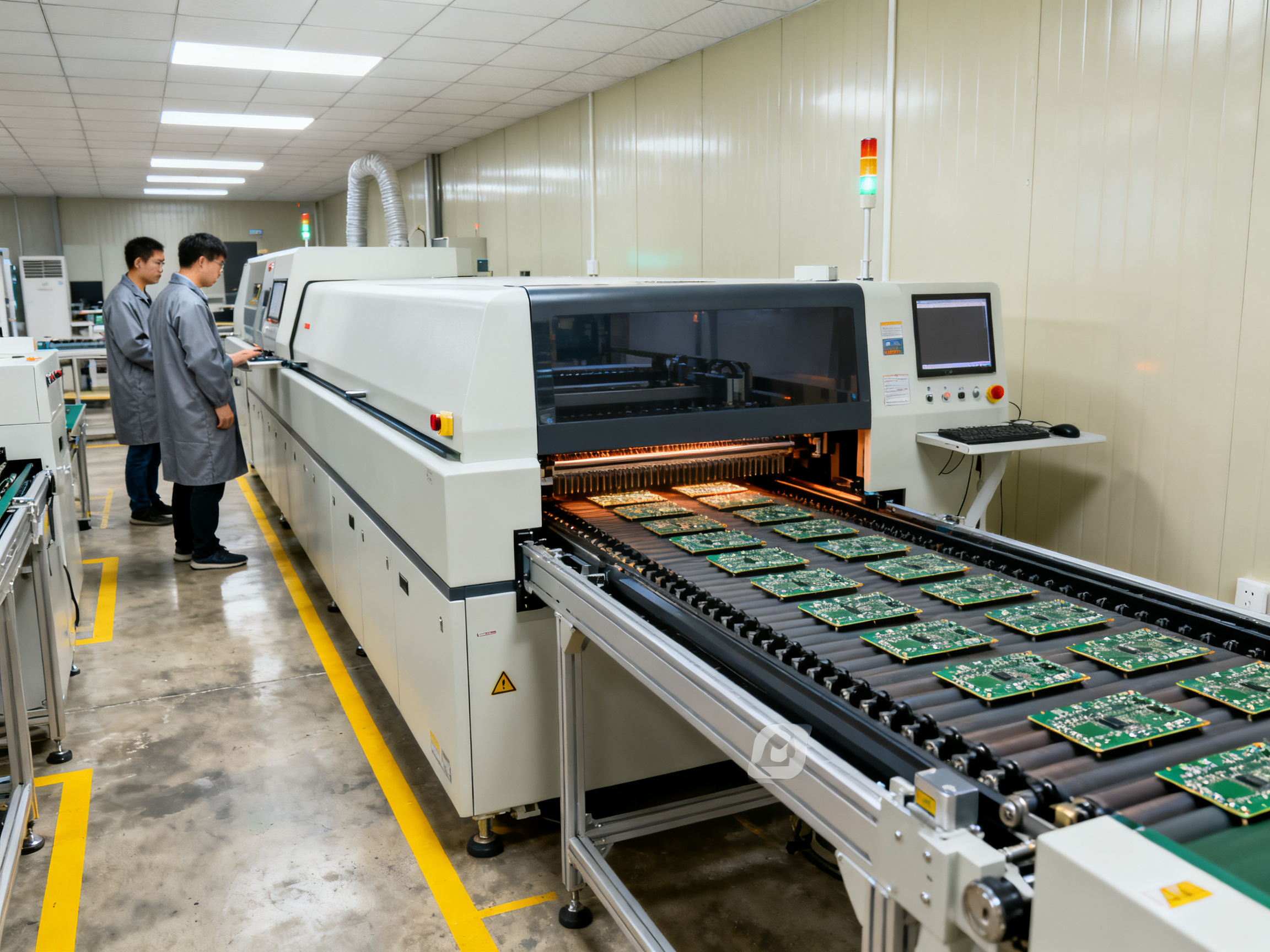
Why does this matter? Because hand soldering simply cannot keep up with the demand for consistency and speed in modern production. Solder reflow ovens automate the entire heating process using programmed temperature profiles that move boards through distinct phases: preheat, soak, reflow, and cooling. This controlled approach melts solder paste and solidifies it without damaging sensitive components, something that is nearly impossible to replicate manually at scale.
For SMT and OEM production lines, these ovens are not just convenient. They are essential. They reduce defects like cold joints or overheating, speed up production, and deliver the same high-quality result board after board.
Companies like Sun and Mountain SMT specialize in building these precision machines, with reflow ovens engineered to handle the demands of modern electronics manufacturing while keeping operations efficient and reliable.
Understanding the Solder Reflow Process
The reflow process sounds complicated, but it is actually pretty straightforward once you break it down. Think of it like baking cookies, except the “cookies” are circuit boards and you need exact heat at each step.
It starts with solder paste. This is a sticky mixture that looks like gray toothpaste. Technicians place it on the PCB using a stencil, then pick and place robots drop tiny components onto the paste. The paste holds everything in place temporarily.
Now comes the oven. The board travels through on a conveyor belt while heaters warm it up in stages. First, the preheat phase gently raises the temperature so moisture evaporates without causing damage. Then comes the soak phase, where the board stays at a steady warmth to equalize temperatures across all components.
Here is where the magic happens. During reflow, temperatures climb above the melting point of the solder (usually around 217°C to 250°C depending on the paste type). The solder paste turns to liquid, flows around the component leads and PCB pads, then makes solid connections.
Finally, cooling kicks in. The board exits the hot zone and cools down gradually. Controlled cooling is important because it lets the solder solidify properly and prevents weak joints.
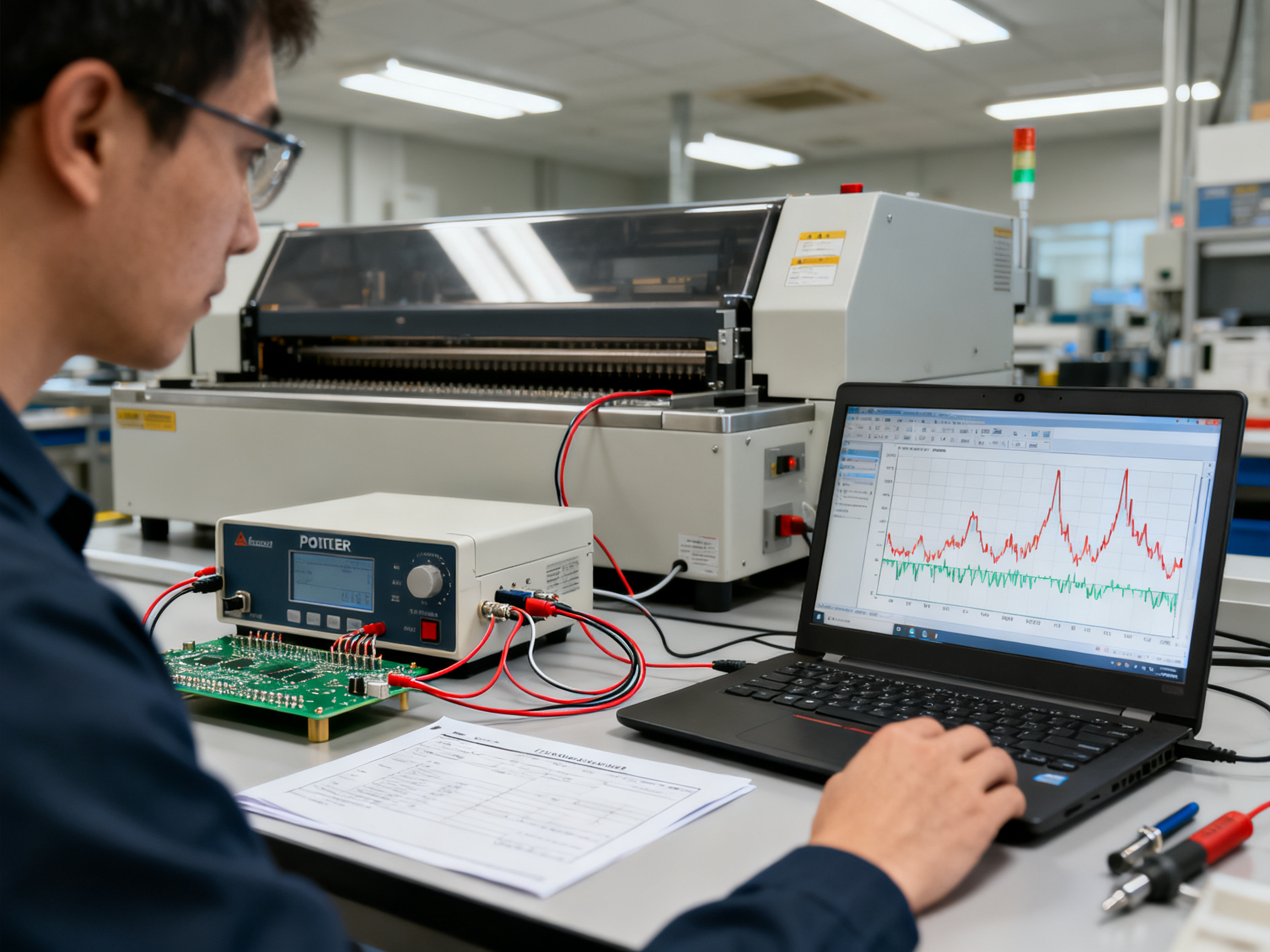
Expert Tip: Maintaining consistent heat distribution throughout all zones is critical for high-quality soldering results. Uneven temperatures can lead to cold joints or tombstoning, where components lift off the board during cooling.
Companies like Sun and Mountain SMT design their reflow ovens with multiple heating zones to ensure this entire cycle happens smoothly, consistently, and without damaging sensitive electronics.
Common Reflow Oven Issues and Troubleshooting
Even with the best equipment and careful setup, problems can still arise during production runs. Understanding common issues and how to address them will save you time, money, and frustration.
Tombstoning
Tombstoning occurs when a component lifts off the pad during reflow, leaving one end still attached while the other stands up like a tombstone. This usually happens due to uneven heating or incorrect paste deposition. To prevent it, ensure your soak phase is long enough to equalize temperatures across the board, check that your stencil thickness is appropriate, and verify that your component placement is accurate.
Cold Joints
A cold joint has a dull, grainy appearance and poor electrical conductivity. The root cause is typically insufficient heat during the reflow phase. Your peak temperature might be too low, or the time above liquidus might be too short. Check your thermocouple readings and ensure your PID controllers are properly calibrated.
Bridging
Bridging happens when solder connects two adjacent pads that should remain separate. This often results from using too much paste, incorrect stencil alignment, or components placed too close together. Review your paste deposition process and consider adjusting your stencil design or paste volume.
Pad Lift
Pad lift occurs when the copper pad separates from the PCB substrate. Excessive handling, thermal shock, or improper profile settings can cause this. Ensure your preheat ramp rate is gradual and avoid sudden temperature changes during the cooling phase.
Expert Tip: Keep a detailed log of your production runs, including profile settings, paste lot numbers, and any issues encountered. Over time, this data helps you identify patterns and fine-tune your process for optimal results.
Sun and Mountain SMT recommends performing regular maintenance on your reflow oven, including cleaning heating elements, checking conveyor belt alignment, and calibrating temperature sensors. A well-maintained oven consistently produces better results and extends the lifespan of your equipment.
Troubleshooting Checklist
| Issue | Symptoms | Primary Causes | Quick Fixes |
|——-|———-|—————-|————-|
| Tombstoning | Component lifted at one end | Uneven heating, paste issues | Extend soak time, check paste deposition |
| Cold Joints | Dull, grainy joints | Low peak temp, short dwell | Increase peak temp or dwell time |
| Bridging | Solder connecting pads | Too much paste, placement errors | Adjust stencil, improve placement accuracy |
| Pad Lift | Pad separated from board | Thermal shock, handling damage | Slow ramp rates, careful handling |
By staying vigilant and addressing issues promptly, you can maintain high yields and consistent quality throughout your production runs.
Best Practices for Safe Reflow
Running a reflow oven safely is just as important as getting good solder joints. These machines reach high temperatures, and without proper precautions, you risk equipment damage, operator injury, or costly production downtime.
First, familiarize yourself with your oven’s built-in safety features. Most modern reflow ovens come equipped with overtemperature protection, which automatically shuts down heating elements if the chamber exceeds set limits. Overcurrent protection guards against electrical faults, while door interlocks prevent accidental exposure to hot surfaces during operation.
From Our Experience: Always perform a pre-operation inspection before starting a production run. Check that cooling fans are functioning, ventilation paths are clear, and thermocouples are properly seated. A 2-minute check before a 10-hour run can prevent hours of troubleshooting later.
When handling ovens during or after operation, use appropriate heat-resistant gloves and allow sufficient cooling time before maintenance. Never bypass safety interlocks, even if a cycle seems almost complete. The residual heat in the chamber can cause burns.
For compliance with international safety standards, ensure your equipment meets IEC 60204-1 requirements for electrical safety and ISO 13849 standards for control system performance. Document all maintenance activities and keep calibration records on file. Regular certification audits keep your facility compliant and your operators safe.
Operator Safety Checklist
- Verify cooling fans and ventilation are operational before each use
- Confirm overtemperature protection is enabled and calibrated
- Wear heat-resistant gloves when accessing the chamber
- Allow full cooling cycle before performing maintenance
- Keep emergency stop buttons accessible and unobstructed
- Log all maintenance and safety checks in production records
Sun and Mountain SMT designs their reflow ovens with operator safety as a priority, incorporating redundant protection systems and clear safety labeling on all access points. By following these practices, you protect your team and your equipment while maintaining consistent production quality.
Common Issues and How to Troubleshoot Them
Even with the best equipment and careful setup, problems can still arise during production runs. Understanding common issues and how to address them will save you time, money, and frustration.
Tombstoning
Tombstoning occurs when a component lifts off the pad during reflow, leaving one end still attached while the other stands up like a tombstone. This usually happens due to uneven heating or incorrect paste deposition. To prevent it, ensure your soak phase is long enough to equalize temperatures across the board, check that your stencil thickness is appropriate, and verify that your component placement is accurate.
Cold Joints
A cold joint has a dull, grainy appearance and poor electrical conductivity. The root cause is typically insufficient heat during the reflow phase. Your peak temperature might be too low, or the time above liquidus might be too short. Check your thermocouple readings and ensure your PID controllers are properly calibrated.
Bridging
Bridging happens when solder connects two adjacent pads that should remain separate. This often results from using too much paste, incorrect stencil alignment, or components placed too close together. Review your paste deposition process and consider adjusting your stencil design or paste volume.
Pad Lift
Pad lift occurs when the copper pad separates from the PCB substrate. Excessive handling, thermal shock, or improper profile settings can cause this. Ensure your preheat ramp rate is gradual and avoid sudden temperature changes during the cooling phase.
Pro Insight: Keep a detailed log of your production runs, including profile settings, paste lot numbers, and any issues encountered. Over time, this data helps you identify patterns and fine-tune your process for optimal results.
Sun and Mountain SMT recommends performing regular maintenance on your reflow oven, including cleaning heating elements, checking conveyor belt alignment, and calibrating temperature sensors. A well-maintained oven consistently produces better results and extends the lifespan of your equipment.
Troubleshooting Checklist
| Issue | Symptoms | Primary Causes | Quick Fixes |
|——-|———-|—————-|————-|
| Tombstoning | Component lifted at one end | Uneven heating, paste issues | Extend soak time, check paste deposition |
| Cold Joints | Dull, grainy joints | Low peak temp, short dwell | Increase peak temp or dwell time |
| Bridging | Solder connecting pads | Too much paste, placement errors | Adjust stencil, improve placement accuracy |
| Pad Lift | Pad separated from board | Thermal shock, handling damage | Slow ramp rates, careful handling |
By staying vigilant and addressing issues promptly, you can maintain high yields and consistent quality throughout your production runs.
Emerging Trends in Solder Reflow Technology
The solder reflow oven landscape is shifting in 2026. New technologies are making these machines smarter, greener, and more precise than ever before. If you are planning to upgrade your SMT line or just want to stay ahead, here is what matters now.
IoT Integration and Smart Monitoring
Connected ovens are becoming the norm. Manufacturers now build reflow ovens with sensors that talk to central systems, letting operators watch temperature zones from anywhere in the factory. This means faster troubleshooting and less unexpected downtime. Some systems can even predict failures before they happen, scheduling maintenance when it suits production schedules instead of causing emergency stoppages.
Precision Temperature Control Gets Better
Temperature profiling keeps getting more accurate. New control algorithms adjust heating in real time based on what is actually happening inside the chamber, not just what the settings say should happen. For complex boards with mixed component types, this finer control reduces defects and improves first-pass yields.
Sustainability Enters the Picture
Energy efficiency is no longer an afterthought. Modern reflow ovens incorporate features like heat recovery systems and smarter heating cycles that use less power without compromising solder quality. Regulatory pressure and operating cost concerns are pushing manufacturers to prioritize green designs.
What This Means for Your Production Line
The future points toward fully automated reflow cells that require minimal human input. Ovens will communicate with pick-and-place machines and inspection systems to create self-correcting assembly processes. For electronics manufacturers, this translates to higher throughput, better consistency, and lower labor costs over time.
Sun and Mountain SMT continues to develop reflow oven technology that addresses these trends, building machines ready for smart factory integration and sustainable operation. Keeping an eye on these developments helps you plan equipment investments that pay off for years to come.
Conclusion and Expert Recommendations
Solder reflow ovens are essential pieces of equipment for anyone working in electronics manufacturing today. Getting the most from your oven comes down to understanding temperature profiles, maintaining consistent settings, and prioritizing operator safety at every stage.
Here is what matters most: match your temperature profile to your specific solder alloy and component requirements. Perform regular maintenance on heating elements, thermocouples, and conveyor systems. Keep detailed logs of your settings and production results so you can spot patterns over time. Always use safety features and appropriate PPE when working near hot chambers.
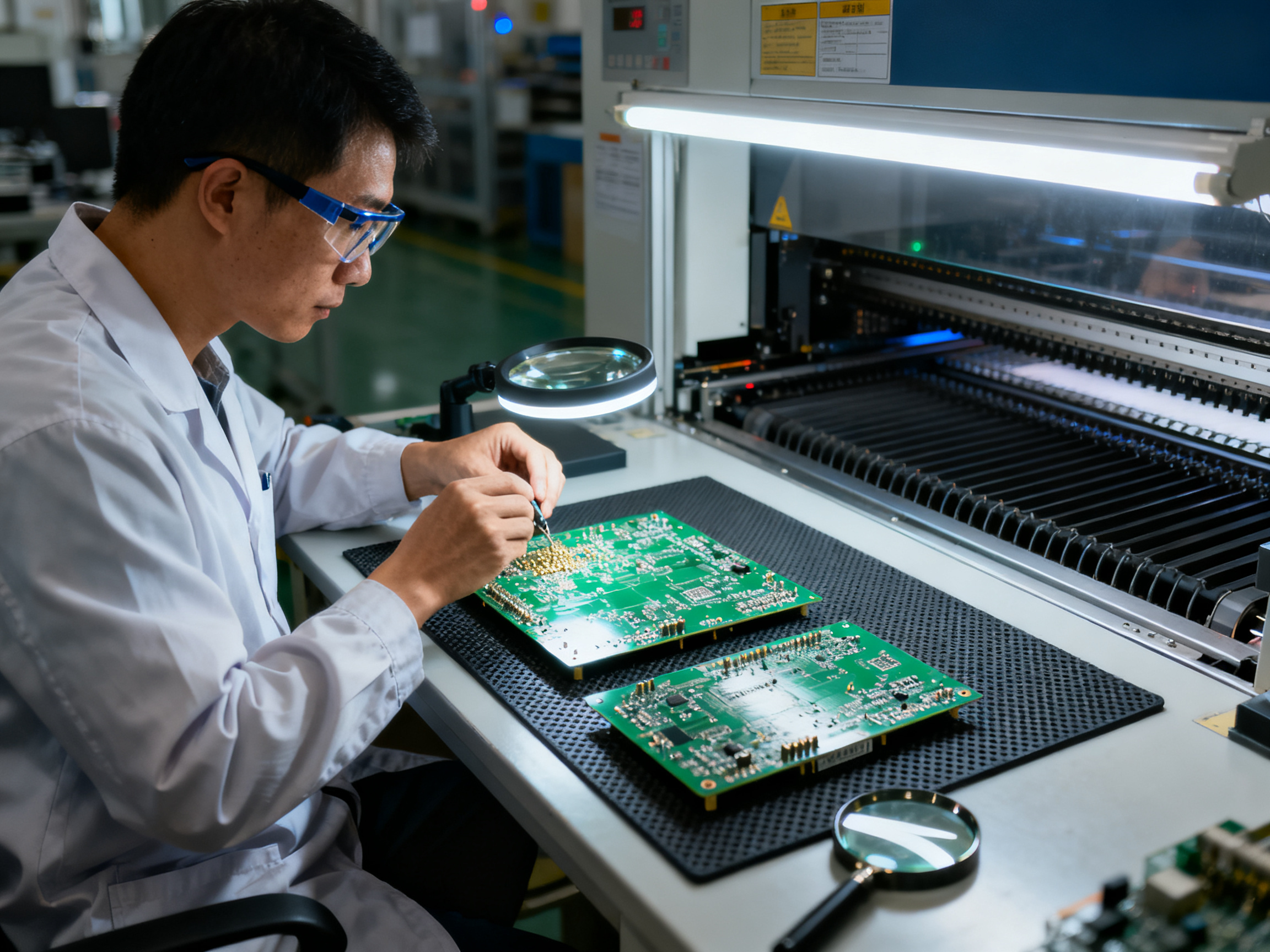
For SMT and OEM production lines, investing in advanced reflow ovens pays off through higher first-pass yields, lower defect rates, and better overall throughput. Sun and Mountain SMT builds reflow ovens engineered for precision and reliability, helping manufacturers scale their operations without sacrificing quality.
Quick Tips for Optimal Solder Reflow
| Tip | Why It Matters |
|—–|—————-|
| Match profile to solder type | Prevents cold joints and overheating |
| Regular maintenance schedule | Extends equipment life, improves consistency |
| Keep detailed production logs | Helps identify issues before they become problems |
| Prioritize safety protocols | Protects operators and equipment |
Start with these fundamentals, refine your process over time, and your reflow operation will deliver the consistency and quality that modern electronics manufacturing demands.