
Published: 26 May 2026
Reading Time: 12 minutes
Reviewer: Placeholder for Reviewer Name, Placeholder for Reviewer Credentials
Introduction to Batch Curing Oven Temperature Profiles
Picture this: your production line is humming along, boards moving through the SMT equipment like clockwork. Then quality control flags a batch of circuit boards with incomplete conformal coating cure. Suddenly you’re looking at rework, delays, and unhappy customers.
Sound familiar?
Temperature control in batch curing ovens is one of those make-or-break factors that doesn’t get enough attention until something goes wrong. In electronics manufacturing, getting the temperature profile right means the difference between reliable products and costly callbacks.
A batch curing oven applies controlled heat to cure materials like conformal coatings, solder masks, and adhesives on PCBs. The temperature profile includes how fast the oven heats up, what peak temperature it reaches, how long it holds that temperature, and how quickly it cools down. Each of these stages affects how well materials cure.
When the profile is dialed in correctly, you get strong adhesion, complete chemical reactions, and consistent protection across every board. When it is off, you might see blistering, weak bonds, or components that fail prematurely.
This guide walks through everything you need to know about batch curing oven temperature profiles in 2026. We’ll cover why precision matters, what makes up a good profile, and how to optimize your process for both quality and throughput.
Pro Insight: Temperature uniformity across the entire oven chamber is just as critical as hitting the target temperature. Hot spots and cold spots can cause inconsistent cure even when the controller shows perfect readings.
For those working in electronics manufacturing, understanding these profiles is essential for maintaining product reliability while keeping production lines running efficiently.
Sun and Mountain SMT specializes in precision SMT equipment, including reflow ovens and curing systems designed for modern electronics assembly. Their solutions help manufacturers achieve consistent thermal profiles and reliable product outcomes.
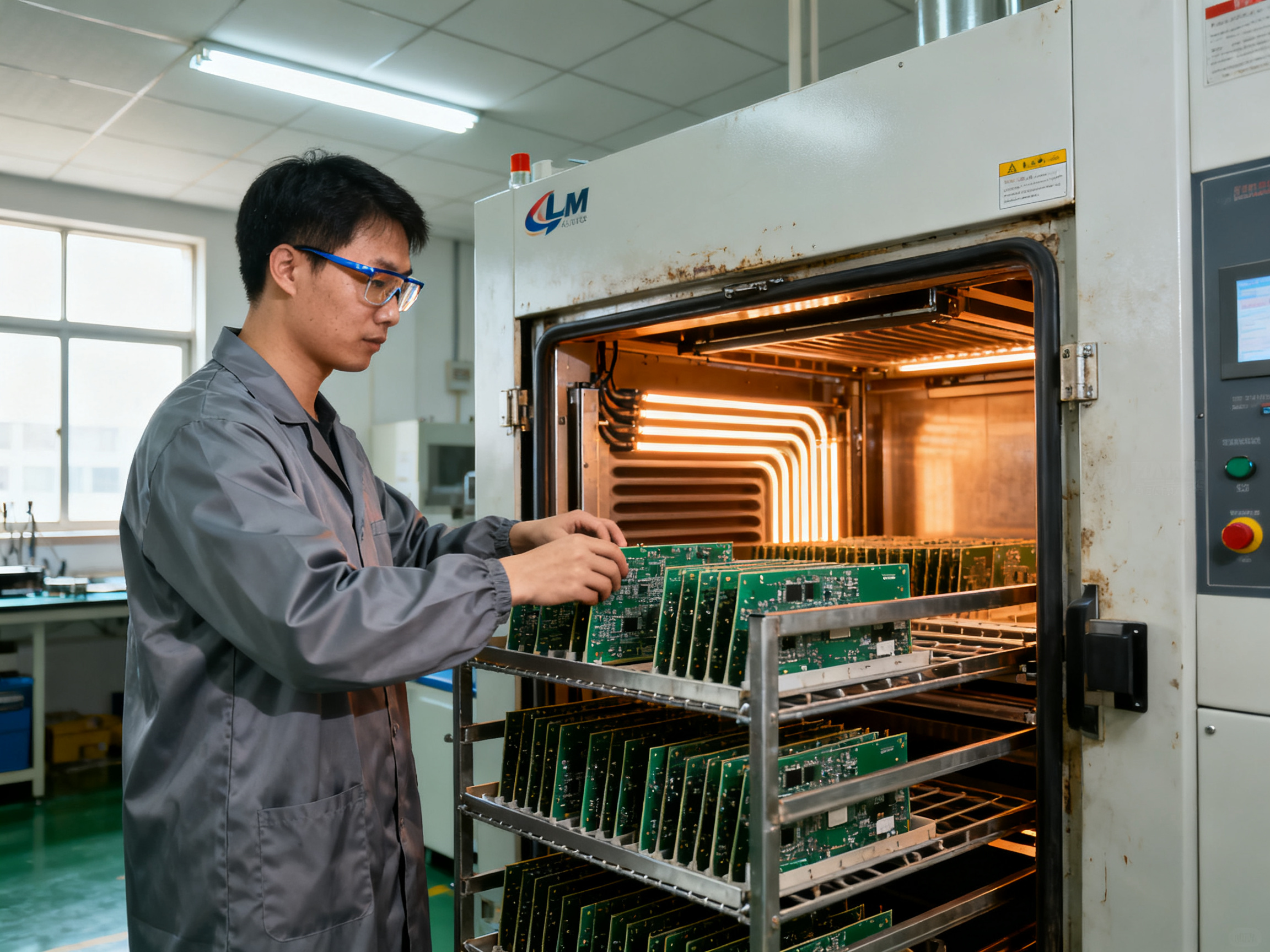
Understanding Temperature Profiles
A temperature profile is basically the roadmap your batch curing oven follows during a cure cycle. Think of it like a recipe for baking a cake. You need the right temperature at the right time, or things go sideways fast.
The main parts of any temperature profile include:
-
Ramp-up rate – How fast the oven heats up from room temperature to the target cure temperature. Too fast and you get thermal shock. Too slow and you waste time.
-
Target temperature – The peak temperature where the actual curing happens. This varies wildly depending on what you’re curing.
-
Hold time – How long the oven maintains that peak temperature. This is where the chemical magic occurs.
-
Cool-down rate – How quickly the oven returns to room temperature. Rush this step and you might crack or warp your boards.
Different materials need different temperature profiles. Here’s a quick reference for common electronics coatings:
| Material | Typical Temperature | Common Hold Time |
|———-|——————-|——————-|
| Conformal coatings | 100-130C | 30-60 minutes |
| Solder masks | 120-150C | 20-40 minutes |
| Adhesives | 80-200C | Varies widely |
| Acrylic coatings | 120-135C | 20-30 minutes |
| Silicone coatings | 100-150C | 30-60 minutes |
These ranges aren’t hard rules, by the way. Always check your material manufacturer’s specs because formulation differences can shift the sweet spot by 10-20 degrees.
In electronics manufacturing, getting the temperature profile right affects everything downstream. When the profile matches what your materials need, you get complete curing, proper adhesion, and consistent protection across every single board that comes through.
The ramp rate especially matters because it controls how quickly solvents escape and how much thermal stress your components experience. A gradual ramp gives you better results than slamming everything with high heat immediately [chuxin-smt.com/ultimate-guide-to-curing-oven-temperature-profiles-charts-best-practices-2026/].
Setting Reliable Cure Conditions
Now that you understand the parts of a temperature profile, let’s talk about how to actually set things up so your batch curing oven does its job consistently.
The tricky part is balancing time against temperature. Higher temperatures cure faster but push your components closer to their thermal limits. Lower temperatures are safer but mean longer cycle times and potentially incomplete cure if you don’t hold long enough.
Here’s our approach:
-
Start with manufacturer specs – Your conformal coating or adhesive data sheet tells you the minimum temperature and time needed. Treat these as starting points, not absolute rules.
-
Account for thermal mass – A loaded oven with multiple boards takes longer to reach target temperature than an empty chamber. Factor in your typical batch size when setting hold times.
-
Use calibrated sensors – Place thermocouples directly on the boards, not just at the oven reference points. What the controller shows might differ from what your coating actually experiences.
-
Document everything – Record your settings for each material type. When something changes, you’ll want to know what you started with.
Automated versus manual settings
Modern SMT equipment often includes programmable profiles that automatically follow your setpoints. Manual ovens require more hands-on attention but give you direct control. Either way works, as long as you verify results regularly.
Expert Tip: When balancing temperature and time, aim for the lowest temperature that still completes cure within your acceptable cycle time. This gives you a safety margin for thermal variations across the batch.
Checklist for Reliable Cure Conditions
- [ ] Verify oven temperature calibration
- [ ] Set ramp rate appropriate for your materials
- [ ] Confirm target temperature matches coating specs
- [ ] Calculate hold time based on batch size
- [ ] Plan cool-down rate to avoid thermal shock
- [ ] Log settings for future reference
- [ ] Test with boards before full production run
Getting these conditions right from the start saves a ton of headaches later. Nobody wants to scrap a batch because the cure was off by just a few degrees.
Sun and Mountain SMT builds batch curing ovens with tight temperature control and programmable profiles, making it easier to dial in consistent results batch after batch.
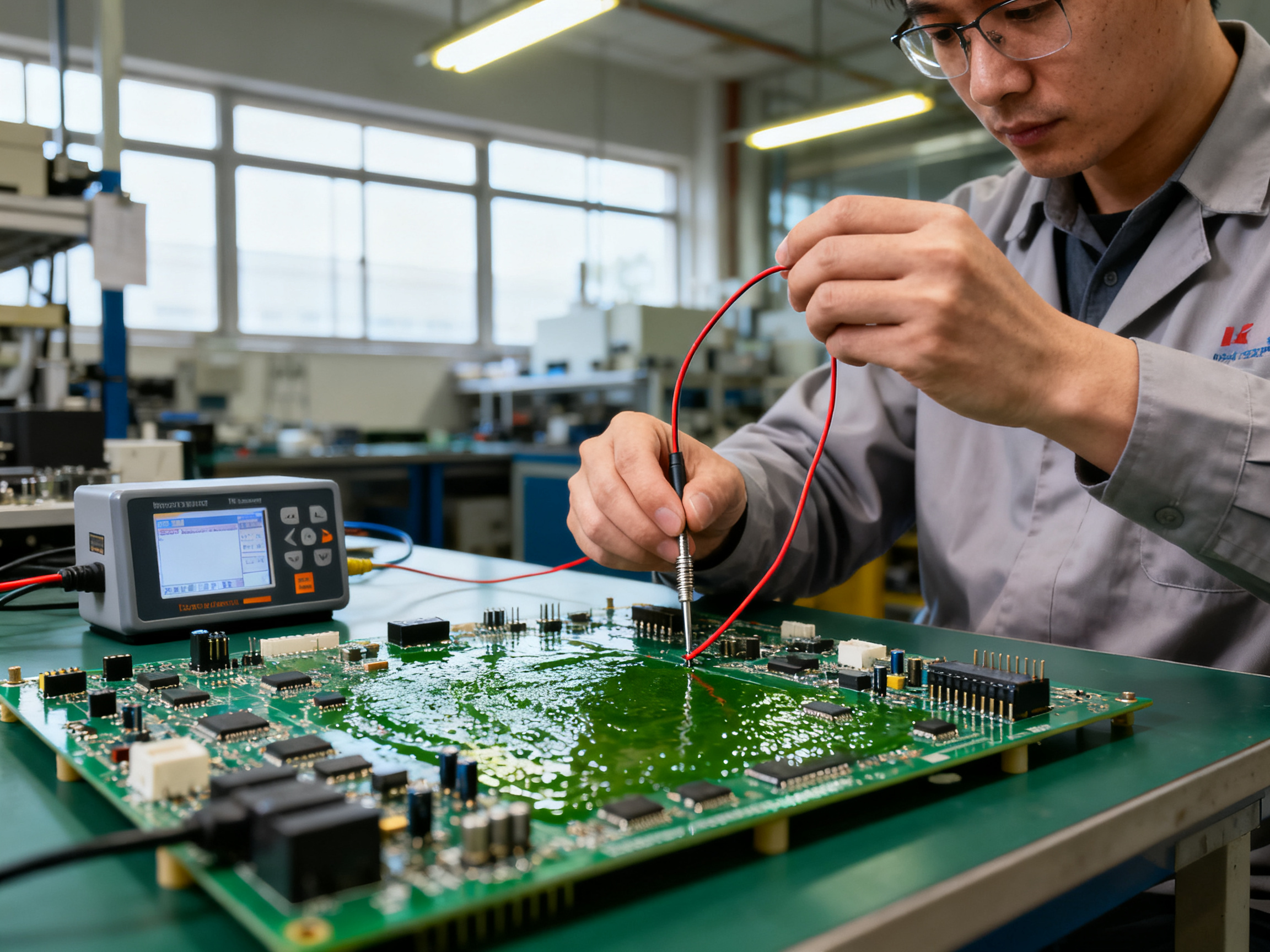
Importance of Precision in Electronics Curing
When your batch curing oven runs off-target by just a few degrees, the ripple effects can be huge. Boards come out with weak adhesion, coatings that haven’t fully cured, or components stressed from thermal shock. None of that shows up until weeks later when field failures start rolling in.
Precision in temperature control touches every part of your operation. Here’s why it matters so much:
Quality benefits
Getting the profile right means complete chemical reactions in your conformal coatings and adhesives. That translates to boards that actually hold up in the field. When temperature stays uniform across the entire chamber, you stop getting those frustrating hot spots where one board cures while the one next to it barely reaches target.
Production efficiency
Precise control reduces rework and scrap. Less time fixing problems means your line keeps running. And when your profiles are dialed in, you can confidently push cycle times shorter without sacrificing quality.
Technological advancements in 2026
Modern SMT equipment has gotten smarter about thermal management. UV LED curing systems now offer wavelength-specific control that older lamp-based systems simply cannot match. These systems heat the coating, not the substrate, which protects sensitive components while still achieving complete cure. Hybrid curing platforms combine multiple energy sources to handle different material combinations without losing precision.
Digital control systems log every cycle automatically. You get traceability data for quality audits and real-time alerts when something drifts out of spec. This kind of monitoring was expensive and rare just a few years ago.
Pro Insight: Precise temperature control improves product quality by preventing incomplete cure in some areas while avoiding thermal degradation in others. When you control both variables, you get consistent protection across every board in every batch.
Market competitiveness
Manufacturers who invest in precise curing technology can take on higher-margin work. Aerospace, medical devices, and automotive electronics all require documented thermal profiles and tight process control. Getting certified for those markets becomes possible when your equipment actually delivers the precision they audit for.
In 2026, staying competitive means your curing process cannot be an afterthought. It needs to be as controlled and documented as every other step on your line.
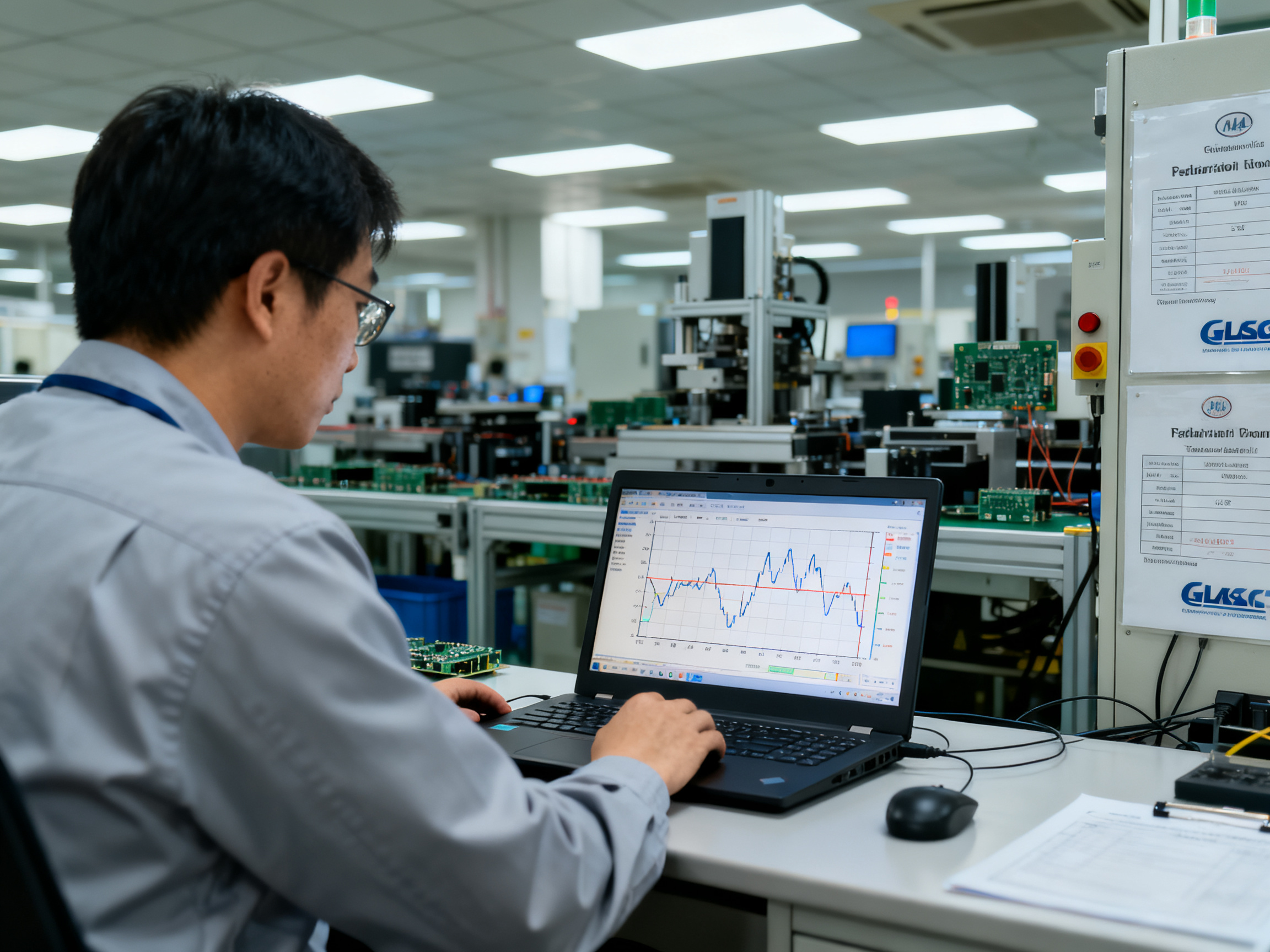
Common Challenges in Electronics Curing
Even the best batch curing ovens hit snags sometimes. Knowing what goes wrong and how to fix it keeps your line running smooth.
Identifying Common Curing Issues
The usual suspects in electronics curing are pretty predictable once you know what to look for. Incomplete cure shows up as tacky coatings or weak adhesion. You might see blistering or bubbling if solvents get trapped and flash suddenly. Cold spots in the oven chamber cause some boards to cure while others stay undercured. Hot spots lead to charring or degradation of coatings and components.
UV systems face their own headaches. Shadow areas under tall components block light and leave uncured patches. Some formulations need both UV and thermal energy to fully cure, so using just one method leaves you halfway done.
Temperature swings during curing cause thermal stress. Your boards might warp or crack. Connectors and sensitive components take the most damage when heating and cooling happens too fast.
Troubleshooting Techniques
Here’s what works when something goes wrong. First, check your thermocouple placement. Sensors placed poorly give you false readings that hide real problems. Move them closer to the actual workpieces and compare results.
Run a bare board test before processing expensive assemblies. Load your oven with boards that have temperature indicators or simple test coupons. This tells you what the coating actually experiences, not just what the controller shows.
Log everything. When problems appear, your settings history tells you what changed. Did someone adjust the ramp rate? Was the batch size different? Small changes cause big problems.
From Our Experience: When curing inconsistencies pop up, the issue usually traces back to three places. First, uneven airflow creating hot and cold zones. Second, thermocouples that drifted out of calibration. Third, operators skipping the verification step before loading a new batch. Checking these three things first solves most problems before you need deeper troubleshooting.
Strategies for Improvement
Prevention beats firefighting every time. Schedule regular oven calibration. Keep airflow channels clean. Train operators on why the settings matter, not just what buttons to press.
Consider upgrading to modern SMT equipment with built-in monitoring. Systems that log every cycle and alert you to drift catch problems before they ruin a batch. The investment pays back through reduced scrap and rework.
Document your cure recipes for each material type. When you need to cure a new conformal coating, start from verified settings and adjust from there rather than guessing.
Sun and Mountain SMT offers batch curing ovens designed to minimize these common challenges with precise airflow control and digital monitoring that makes troubleshooting straightforward when issues do arise.
Conclusion
Getting your batch curing oven temperature profile right is not optional anymore. In 2026, the stakes are too high and the technology too good to settle for guesswork.
Here’s what matters most: precision across every stage of the profile, from ramp-up through cool-down. Temperature uniformity throughout the chamber. Regular calibration and monitoring. Documented processes you can reproduce batch after batch.
The manufacturers pulling ahead are the ones treating their curing ovens as precision instruments rather than commodity equipment. They log every cycle, verify every profile, and invest in SMT equipment that actually delivers the control their products need.
Expert Tip: Schedule quarterly profile validation alongside your regular maintenance. Small drift caught early prevents big problems later. It’s fifteen minutes that saves hours of rework.
What is coming next? UV LED curing keeps getting smarter, hybrid systems are becoming more common, and digital monitoring is shifting from nice-to-have to standard feature. If you have not optimized your curing profiles recently, now is the time to start.
Sun and Mountain SMT builds batch curing ovens with the precision and digital controls modern electronics manufacturing demands. Reach out to learn how their equipment can improve your process consistency.