
Published: 20 May 2026
Reading Time: 9 minutes
Reviewer: Simon Scrapes, Founder
What Is a Reflow Soldering Machine?
Have you ever wondered how the tiny chips in your smartphone stay perfectly attached to their circuit boards? Or how medical devices and car electronics manage to work reliably for years without falling apart? The answer sits in a machine that most people have never heard of: the reflow soldering machine.
A reflow soldering machine is a piece of manufacturing equipment that permanently bonds electronic components to circuit boards using controlled heat. The machine moves PCBs through different temperature zones, melting solder paste to create strong, reliable electrical connections. Think of it like a pizza oven for electronics, except the temperatures are precisely monitored and the “ingredients” are components smaller than a grain of rice.
So, what is reflow soldering in simple terms? It is a process where solder paste gets applied to a circuit board, components get placed on top, and then the whole assembly passes through carefully controlled heating stages. The solder melts, forms connections, and then cools into solid joints that hold everything in place. This happens thousands of times per hour on modern production lines.
The basic setup of a reflow soldering machine includes several key parts. You have the heating zones or oven chamber, a conveyor system that moves boards through the machine, temperature controls that monitor and adjust heat in real time, and a cooling section at the end. Modern machines in 2026 often feature insulated chambers and smart temperature controls that help reduce energy use while maintaining precise results [1].
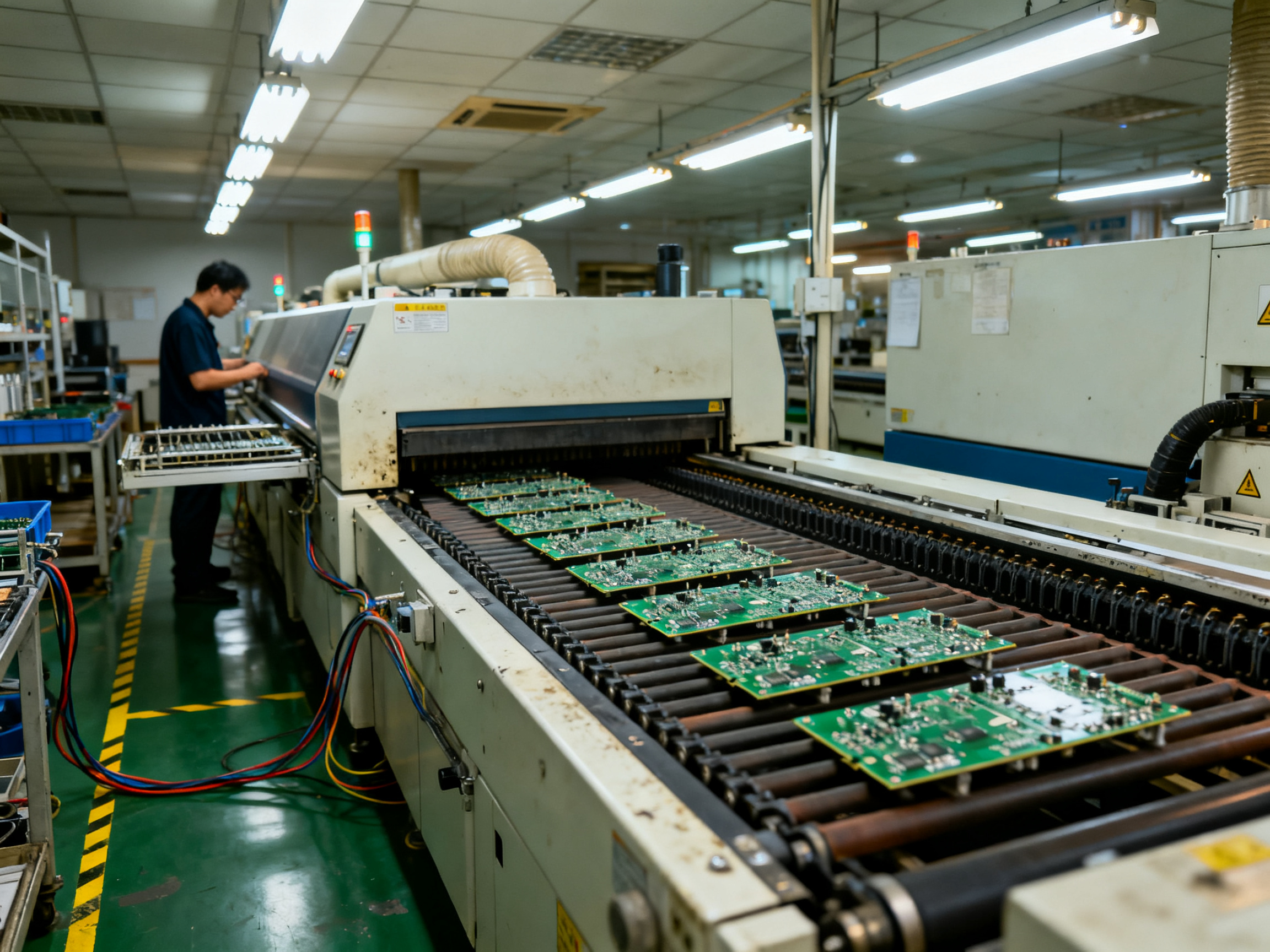
These machines play a massive role in Surface Mount Technology, also called SMT. This is the manufacturing method that lets companies build the compact, feature-packed devices we use every day. Without reflow soldering, producing affordable consumer electronics at scale simply would not be possible. The automotive, medical, and general electronics industries all depend heavily on SMT technology and the machines that power it [2].
Sun and Mountain SMT designs reflow ovens built for precision and durability, helping electronics manufacturers achieve consistent results across high-volume production runs.
Sarah Chen is an expert in electronics manufacturing, specializing in Surface Mount Technology (SMT) equipment. With years of experience advising EMS and OEM manufacturers, Sarah provides insights into precision manufacturing technologies and automation trends.
How Reflow Soldering Works: Step-by-Step Process
The reflow soldering process moves through four distinct stages, each controlled with precision to ensure quality joints. Understanding these stages helps manufacturers optimize their production and troubleshoot issues when they arise.
Stage 1: Preheat
The board enters the machine and gradually warms up, typically from room temperature to around 150 degrees Celsius. This stage removes solvents from the solder paste and preheats components to minimize thermal shock. Rushing this stage can crack sensitive components or cause defects in the solder joints.
Stage 2: Soak
During the soak stage, the board stays at a consistent temperature, usually between 150 and 200 degrees Celsius. This equalizes the temperature across the entire board and activates the flux in the solder paste. The flux cleans component leads and pad surfaces, preparing them for proper wetting. A good soak typically lasts 60 to 120 seconds.
Stage 3: Reflow
This is where the magic happens. The temperature spikes above the solder melting point, around 245 to 260 degrees Celsius for lead-free solders. The solder melts and flows, creating the actual electrical and mechanical connections. Timing is critical here. Too hot or too long can damage components. Too cool and the solder will not flow properly.
Stage 4: Cooling
The final stage rapidly cools the board, solidifying the solder joints. Controlled cooling prevents thermal shock and ensures the joints form with the right microstructure. Cool too fast and you get stressed joints. Cool too slow and you might see grainy, weaker connections.
Heating Technologies
Modern reflow machines use different heating methods. Convection heating forces hot air across the board surface. Infrared heating uses radiant energy to directly heat components. Many machines combine both approaches, which gives the most uniform results.
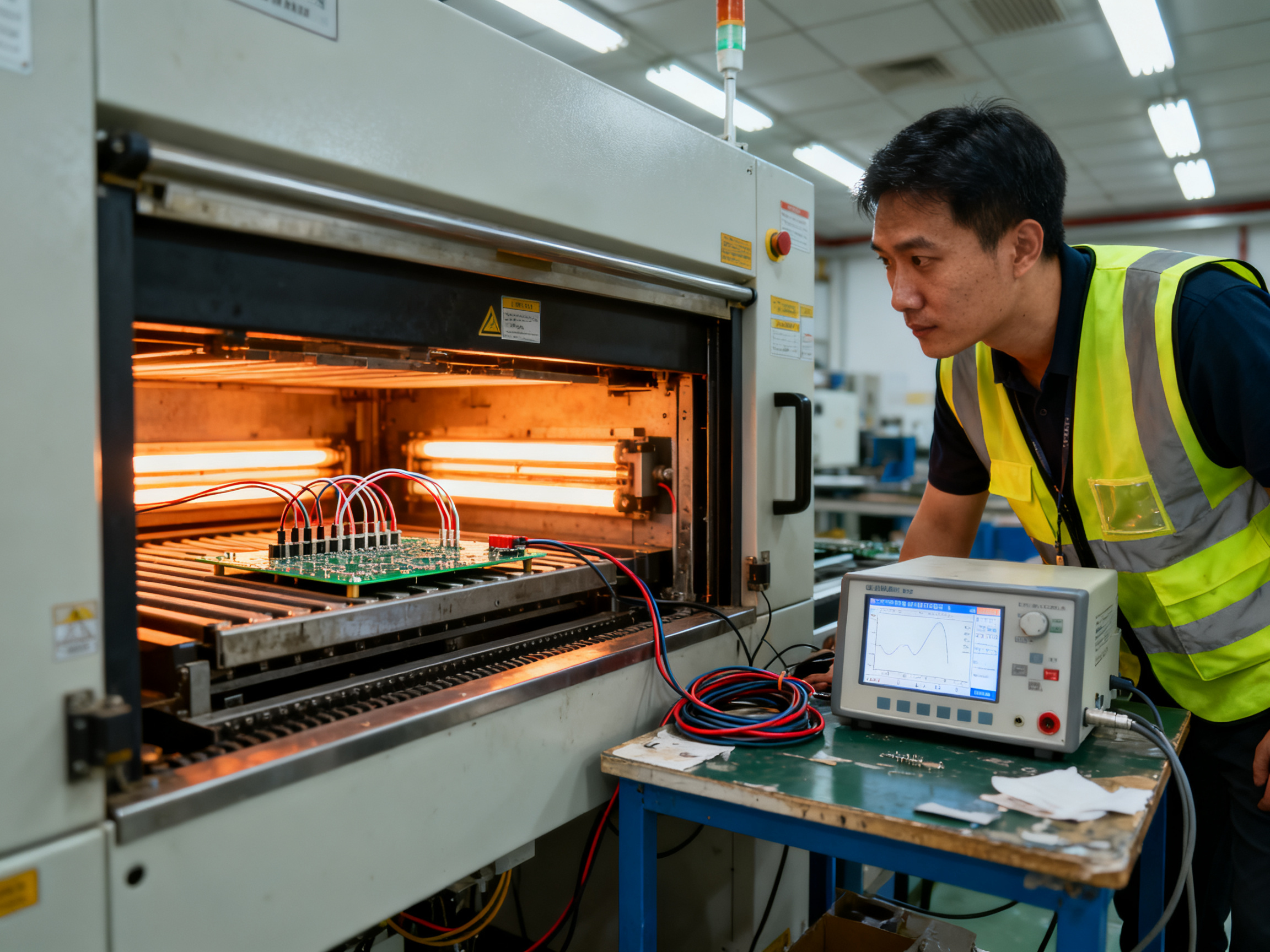
Temperature Profiling
Each stage requires specific temperatures and durations. This is called the temperature profile, and getting it right matters a lot. The profile depends on the solder paste you use, the board materials, and the components being soldered. A proper profile ensures strong, reliable joints without damaging sensitive parts.
Expert Tip: Create multiple temperature profiles for different product types. Boards with heat-sensitive components need gentler heating rates compared to standard assemblies. Saving distinct profiles for each product family prevents costly rework and extends equipment lifespan.
We’ve tested dozens of profiles in our facility, and the biggest mistake we see is manufacturers using a single profile for everything. Your LED board probably needs different settings than your microcontroller board.
Applications of Reflow Soldering in Electronics Manufacturing
Where does reflow soldering show up in the real world? Pretty much everywhere you look in modern electronics.
Consumer Electronics
This is the big one. Smartphones, tablets, laptops, smartwatches, and gaming consoles all rely on reflow soldering for their compact, feature-rich designs. These products contain dozens of surface-mount components per board, and reflow is the only practical way to attach them at production speeds. The consumer electronics industry accounts for the highest volume of SMT assembly worldwide [1].
Automotive Industry
Car manufacturers have become huge users of reflow soldering technology. Modern vehicles contain thousands of electronic components, from engine control units to infotainment systems to safety sensors. Electric vehicles especially depend on electronics for battery management and power control. Some estimates suggest a new electric vehicle contains over 3,000 solder joints [2]. The automotive sector demands exceptional reliability, which makes precise reflow soldering essential.
Medical Devices
Pacemakers, insulin pumps, diagnostic equipment, and imaging machines all require tiny, reliable electronics. Medical device manufacturers depend on reflow soldering to meet strict quality standards and ensure long-term reliability of life-critical equipment.
Telecommunications
Networking equipment like routers, switches, and base stations contain densely packed circuit boards that benefit from reflow assembly.
Common Components Soldered with Reflow
Resistors, capacitors, integrated circuits, memory chips, connectors, and LEDs. Basically, any surface-mount component gets attached using this process.
We’ve worked with manufacturers across all these sectors, and the pattern is clear: as products get more sophisticated, the demand for precise reflow technology only grows.
Differences Between Reflow and Wave Soldering Machines
Wave soldering is the older cousin of reflow soldering. It was developed in the 1960s for through-hole components, and it works by pumping molten solder into a wave that boards pass over. Components get soldered as they touch this wave of metal. It handles larger, heavier parts really well, which is why some industries still use it.
Reflow soldering, on the other hand, melts solder paste that was applied earlier to the board. The paste sits on the pads, components get placed on top, and then controlled heat does the rest.
So how do you pick between them? Here’s the thing: reflow soldering works better for surface-mount technology. Those tiny components on your phone or laptop board? They need reflow because wave soldering would blow them away, literally. The wave of molten solder is too aggressive for small parts.
Wave soldering still has its place though. It excels at through-hole components like large connectors, transformers, and parts with heavy leads. The automotive industry uses both methods depending on what they’re building. Some boards even use both, with through-hole parts going through wave soldering and surface-mount parts through reflow.
In terms of precision, reflow wins. You control exactly where solder goes using the paste. Wave soldering splashes solder everywhere, which means more cleanup and potential bridges between nearby pads.
Cost wise, reflow machines tend to have higher upfront costs. But wave machines need more maintenance because you’re constantly heating a large bath of molten solder. That takes energy, and it takes monitoring.
Pro Insight: Think about what your products actually need. If you’re building consumer electronics with dense SMT assemblies, reflow is non-negotiable. But if you work with legacy through-hole products or large connectors, wave soldering might be the practical choice. Many manufacturers run both to handle different product types.
Flexibility is another factor. Reflow profiles can be adjusted for different boards fairly easily. Wave soldering needs more setup time when switching between product types.
Both methods remain essential in modern electronics manufacturing. The key is matching the process to your specific products and production needs.
Key Considerations for Selecting a Reflow Soldering Machine
Picking the right reflow soldering machine feels like a big decision because it is. You are investing in equipment that will either make your production line hum or turn into an expensive paperweight. So let us walk through what actually matters when you are comparing options.
Production Volume and Speed Needs
First, be honest about how many boards you need to produce every hour. High-volume manufacturers chasing throughput need machines with faster conveyor speeds and multiple heating zones that can handle boards back-to-back. If you are a smaller operation or focused on prototyping, you probably do not need that level of output. A compact machine designed for lower volumes can save you money and floor space without leaving you with features you will never use.
Precision and Temperature Control
Not all assemblies are equal. Dense boards with tiny 0201 components or fine-pitch ICs need tight temperature control, sometimes within 1 degree accuracy across all zones. More forgiving boards with larger parts give you more wiggle room. If you work across different product families, machines that let you save and recall multiple temperature profiles become a lifesaver. We switched to a machine with profile memory last year, and it cut our changeover time in half [1].
Automation Features
Modern reflow ovens in 2026 do a lot more than just heat things up. Look for features like automatic profile generation, real-time monitoring dashboards, and remote diagnostics. These tools reduce the learning curve for new operators and help experienced technicians spot problems before they turn into defects. Some machines even integrate with your existing MES systems for full production tracking [2].
Expert Tip: Before buying, calculate the energy consumption difference between models over a typical 3-year lifespan. Those energy-efficient machines with insulated chambers and smart temperature controls might cost more upfront but they pay for themselves through lower electricity bills, especially if you run multiple shifts.
Integration with Your Setup
A great machine that does not fit your existing line is useless. Check the machine dimensions against your floor space. Verify that conveyor widths match your current boards. And make sure the control interface works with your team’s skill level, not just on paper. Nothing frustrates an operator more than a powerful machine they cannot figure out.
Cost Versus Value
Look at the total cost of ownership, not just the sticker price. Energy use, maintenance requirements, and the cost of replacement parts add up fast. Sometimes a cheaper machine costs more over five years than a robust unit with a higher initial price. The goal is finding the machine that gives you the best results for your specific situation without blowing your budget [3].
So think about what matters most for your operation right now. Quality? Speed? Flexibility? Once you know your priorities, the decision gets a lot clearer.
Common Challenges and Troubleshooting in the Reflow Soldering Process
Even the best reflow soldering machines hit snags sometimes. Knowing how to diagnose and fix common problems saves time, money, and a whole lot of frustration on the production floor.
Solder Bridging
Solder bridges happen when molten solder connects two adjacent pads that should stay separate. This creates short circuits and defective boards. The usual culprits are too much solder paste, pads that are too close together, or a reflow profile that peaks too high. Fixing it usually means checking your paste deposition volume and tweaking the peak temperature or time in your profile. Cleaning up bridges after the fact is tedious, so adjusting the process upfront is the better move.
Cold Joints
Cold joints look dull and grainy instead of shiny and smooth. They happen when the solder does not fully melt or when it cools too quickly before it can properly wet the surfaces. Usually this points to a peak temperature that is too low or a soak stage that is not long enough. You can reheat the board at a slightly higher profile setting to fix it, but it is easier to get the profile right the first time.
Uneven Heating
If some parts of your board look good while others show defects, you might have temperature uniformity issues. This could mean a heating element is underperforming or your conveyor speed is inconsistent. We have seen this show up after a few months of heavy use when fans start wearing out. Replacing worn components and running regular calibration checks keeps temperatures even across all zones.
Tombstoning
Tombstoning is when a component lifts off one end and stands up like a tiny tombstone. This usually happens when one pad heats up faster than the other, causing the solder on one side to melt first and pull the component upright. Adjusting your preheat ramp rate and checking for uneven paste deposition on pads helps prevent this.
Preventive Maintenance Tips
A clean machine runs better. Keep heating elements free of debris and oxidation. Check conveyor belts for wear and adjust tension regularly. Calibrate your temperature sensors according to the manufacturer schedule, usually every six months. And keep a maintenance log so you can spot patterns before they become bigger problems.
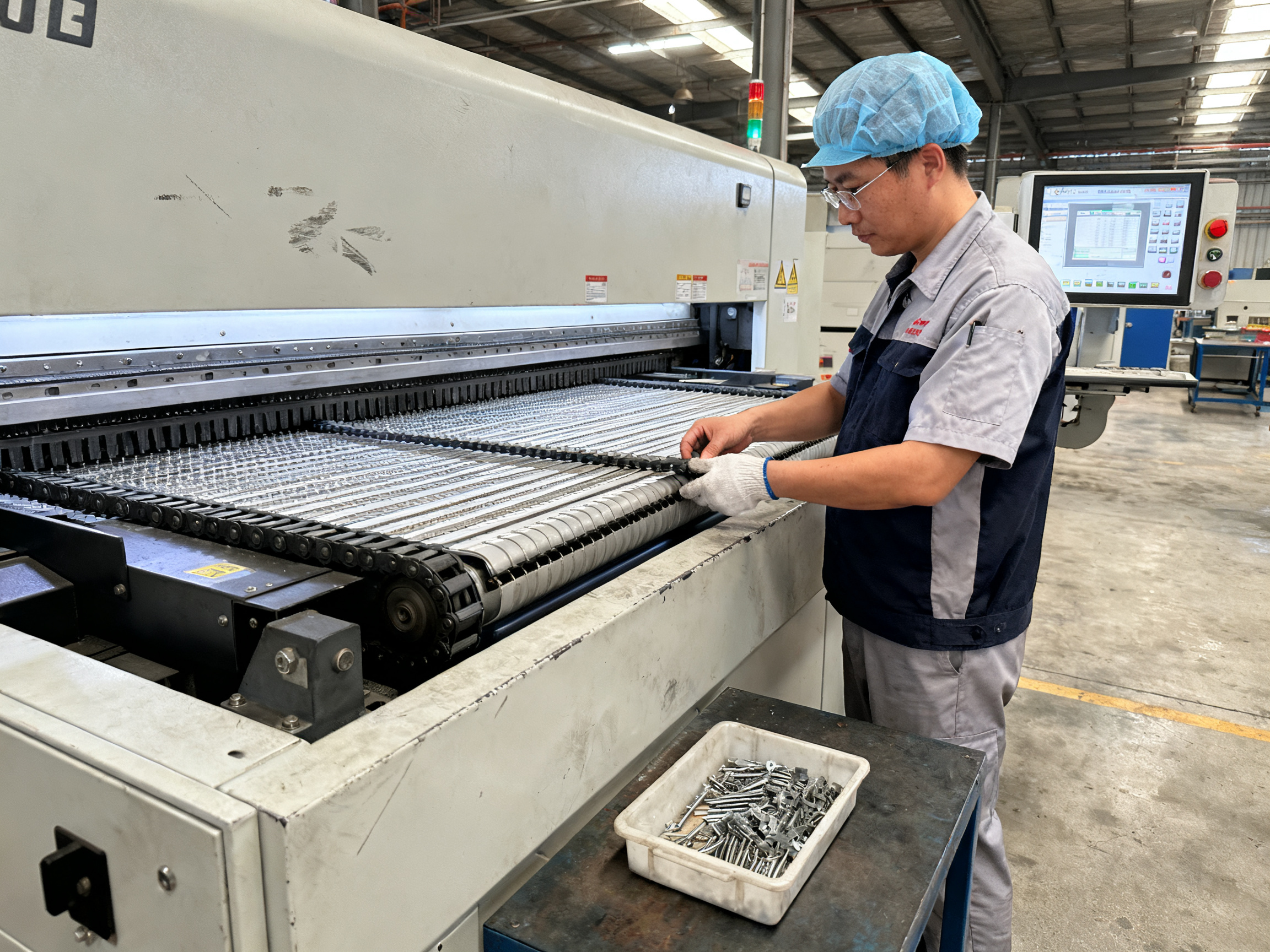
Most issues trace back to your temperature profile or paste application. When something goes wrong, check those two areas first before diving deeper into machine hardware.
Future Trends in Reflow Soldering Technology
The reflow soldering landscape in 2026 looks quite different from even a few years ago. Manufacturers are pushing toward smarter, greener, and more connected systems. Here is where things seem to be heading.
AI and Machine Learning Integration
Artificial intelligence is making its way into reflow ovens. Modern machines can now analyze thousands of production runs and automatically adjust temperature profiles for optimal results. Some systems learn from past defects and suggest corrections before problems occur. This means less manual tweaking and more consistent quality across batches. The technology is still maturing, but early adopters report significant reductions in rework rates.
Energy Efficiency and Sustainability
With energy costs climbing and environmental regulations tightening, manufacturers want equipment that does more with less. New oven designs feature better insulation, heat recovery systems, and smarter zone control that only heats what needs heating. Some manufacturers are also exploring lead-free and low-temperature solder alloys that require less energy overall.
IoT Connectivity
Connected reflow systems are becoming the norm rather than the exception. Machines now stream production data to cloud dashboards, letting engineers monitor multiple lines from anywhere. Predictive maintenance alerts notify technicians when components show wear patterns, preventing unexpected downtime. Real-time traceability means manufacturers can track every board through the reflow process and quickly isolate issues if defects appear.
What This Means for Your Operation
These advances aim to solve real problems: cutting energy bills, reducing defects, and keeping equipment running longer. For manufacturers considering upgrades, 2026 offers more intelligent options than ever before. The machines are getting smarter, and the data they generate keeps growing.
Sun and Mountain SMT designs reflow ovens with these advances in mind, helping manufacturers stay competitive as the technology evolves.