product information

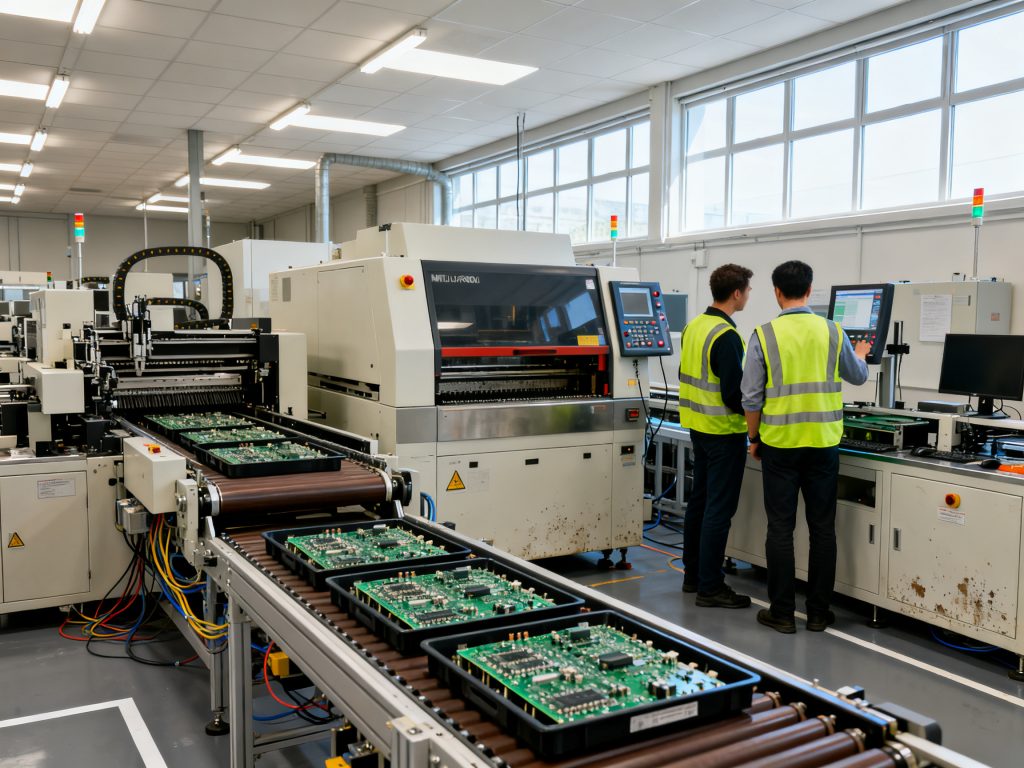
Comprehensive Guide to Solder Paste Inspection: Ensuring Precision and Quality

Here’s a number that should make every production engineer uncomfortable: 60-90% of SMT defects trace back to what happens at the paste print step, not placement or reflow. This practical guide breaks down how 3D solder paste inspection actually prevents defects from reaching reflow, which inspection metrics matter most, and how teams are achieving 15-30% yield improvements with payback periods under 12 months.

product information

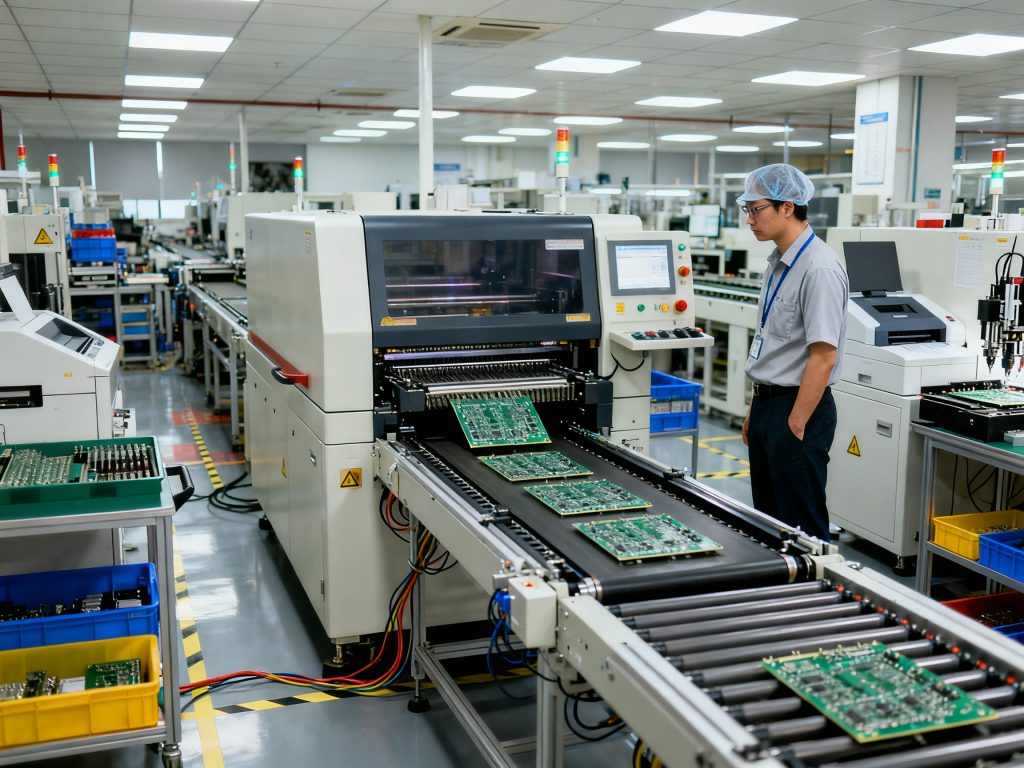
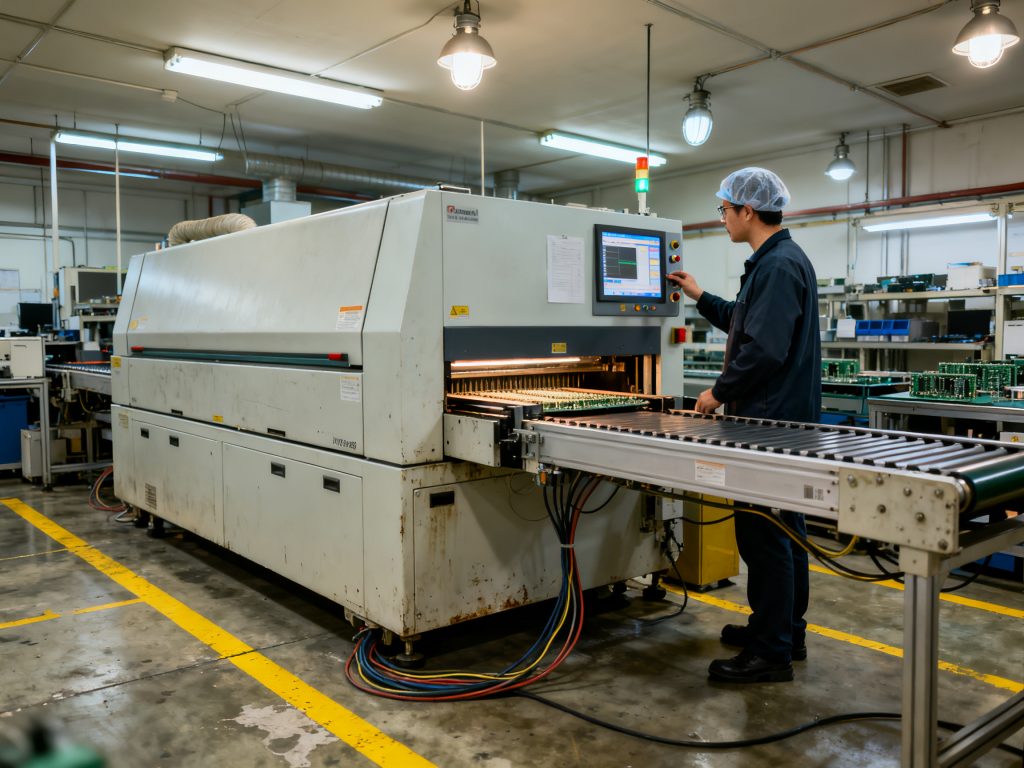
Heavy Duty Conveyor Systems: Types, Applications, and Industry Insights for Electronics Manufacturing

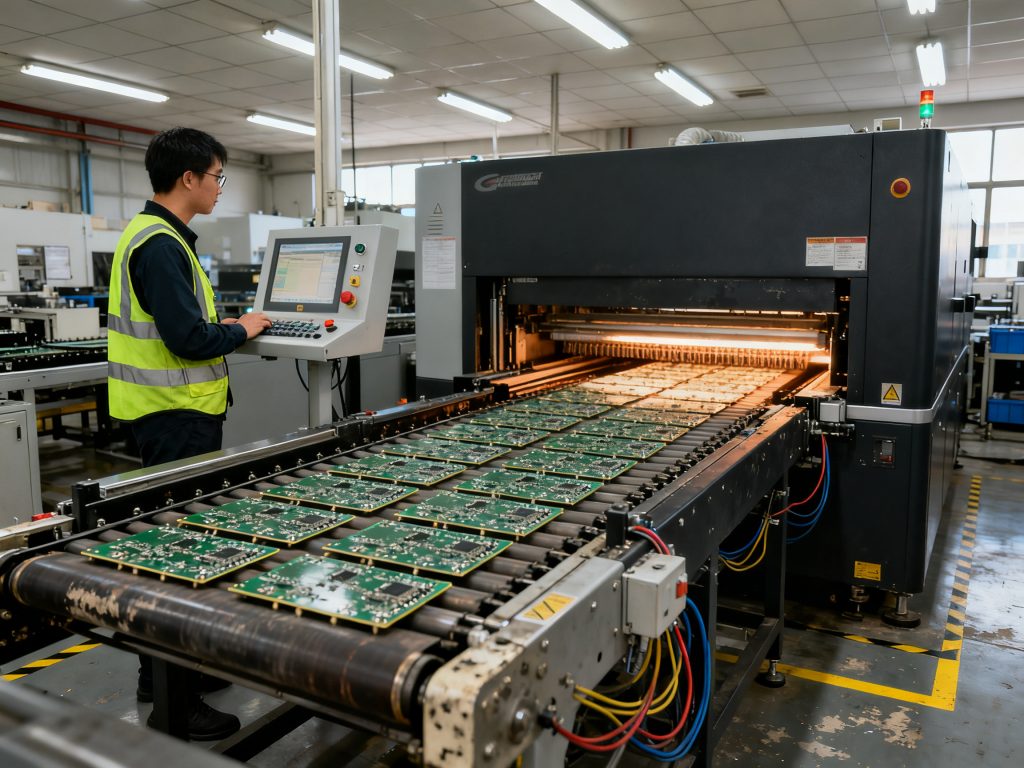
Heavy duty conveyor systems keep modern electronics factories running smoothly, moving sensitive PCB boards through assembly lines without missing a beat. From belt and roller conveyors to chain and modular systems, choosing the right setup affects everything from throughput to your bottom line. This guide breaks down what you actually need to know.

product information

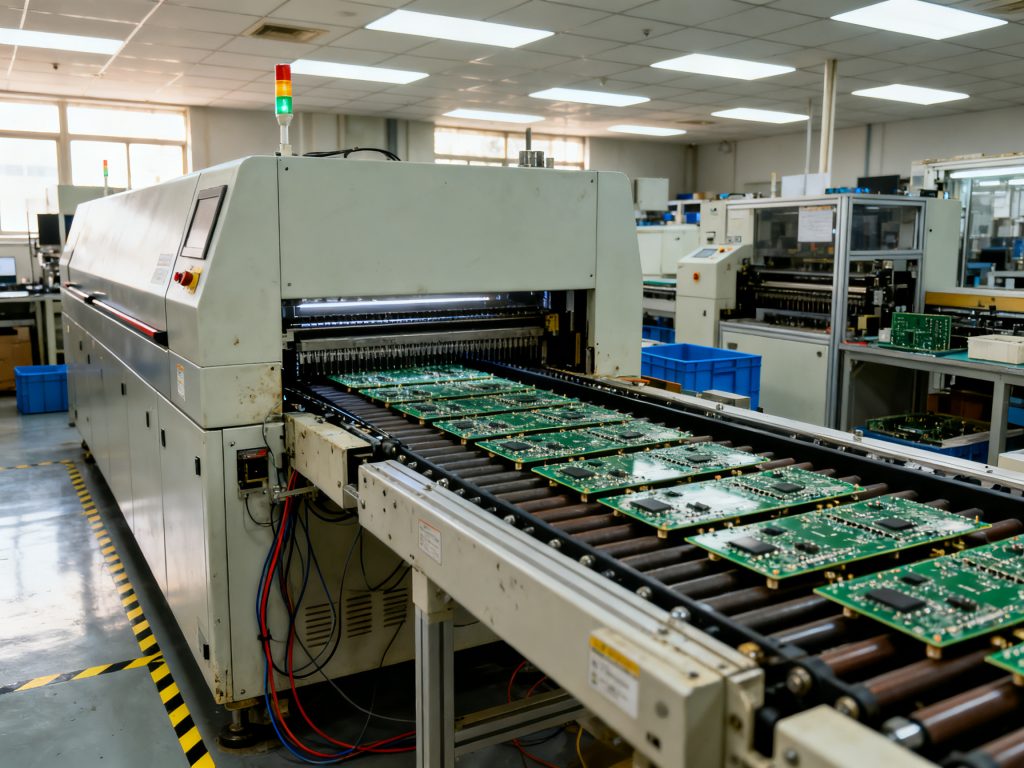
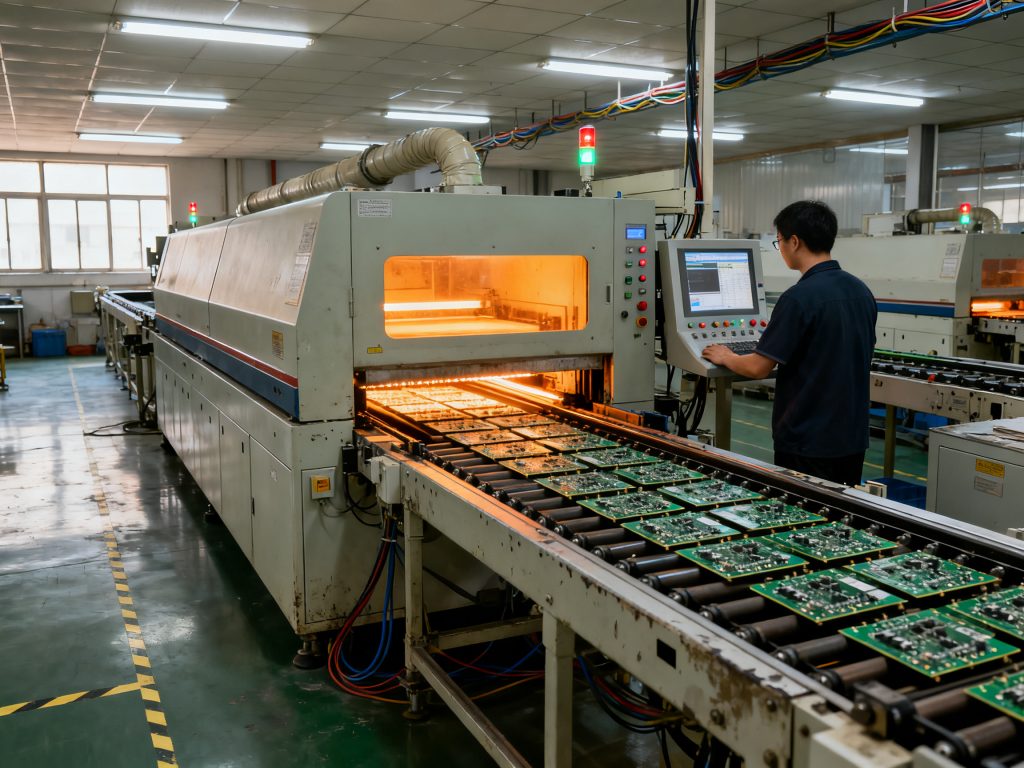
What Is a Reflow Oven? The Ultimate Guide to Convection Reflow Ovens for SMT and PCB Assembly

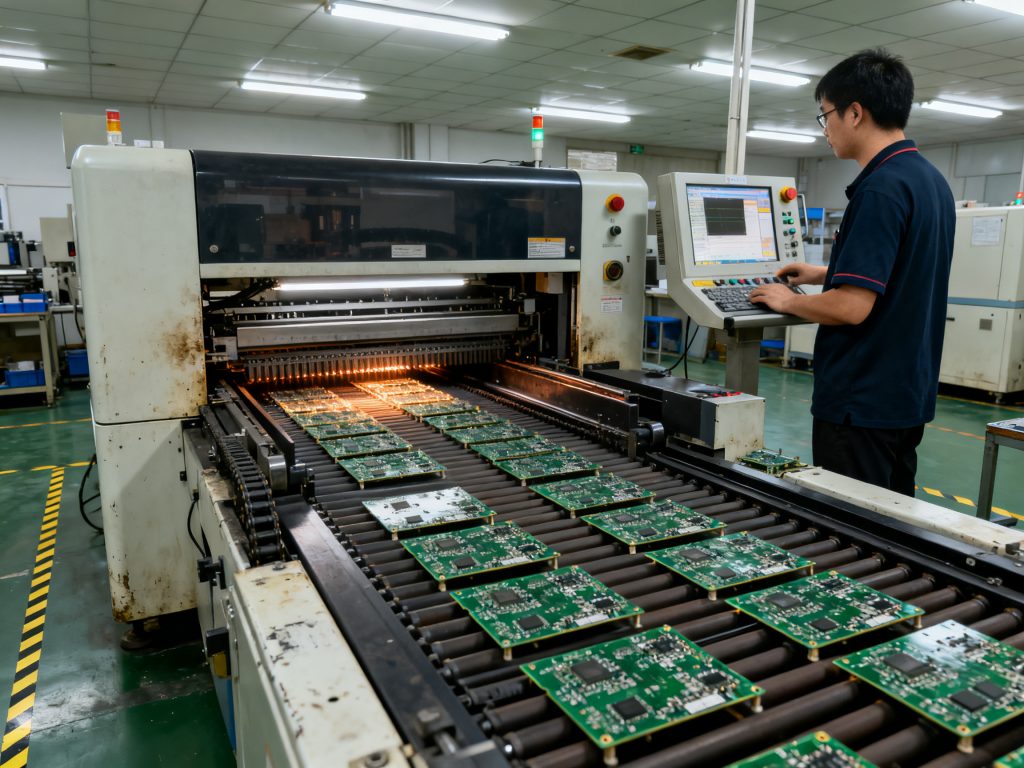
Reflow ovens determine whether your solder joints hold or fail—and with lead-free processes and tighter tolerances becoming standard in 2026, the stakes keep climbing. This practical guide walks through how convection and vacuum reflow actually work, what your thermal profile settings mean for quality, and how to choose the right oven for your production volume without getting burned by hidden costs.

product information

Mastering Solder Paste Inspection: Process, Benefits and Future Innovations

Solder paste inspection catches 60 to 80 percent of SMT defects at the source, when fixes cost around 50 cents instead of $50 or more after reflow. This practical guide walks through how SPI works, what 3D inspection actually changes, common defect patterns to watch for, and how to choose a system that fits your line. For production managers and quality engineers, the ROI math lands fast: most lines see payback within 8 to 14 months.

product information

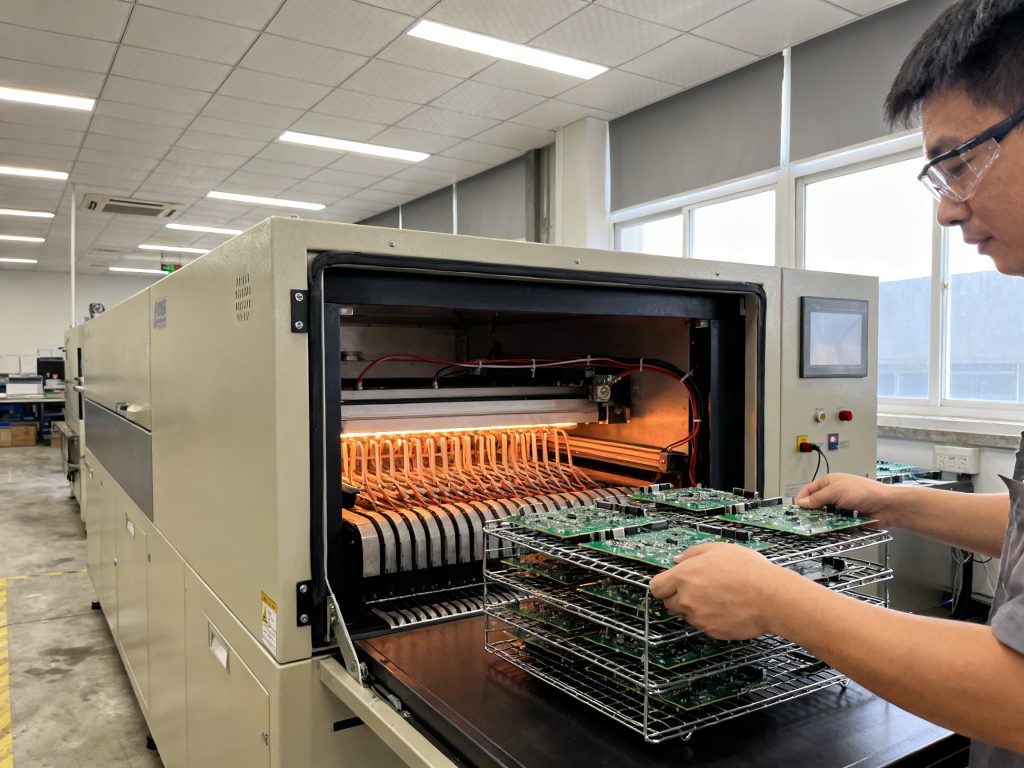
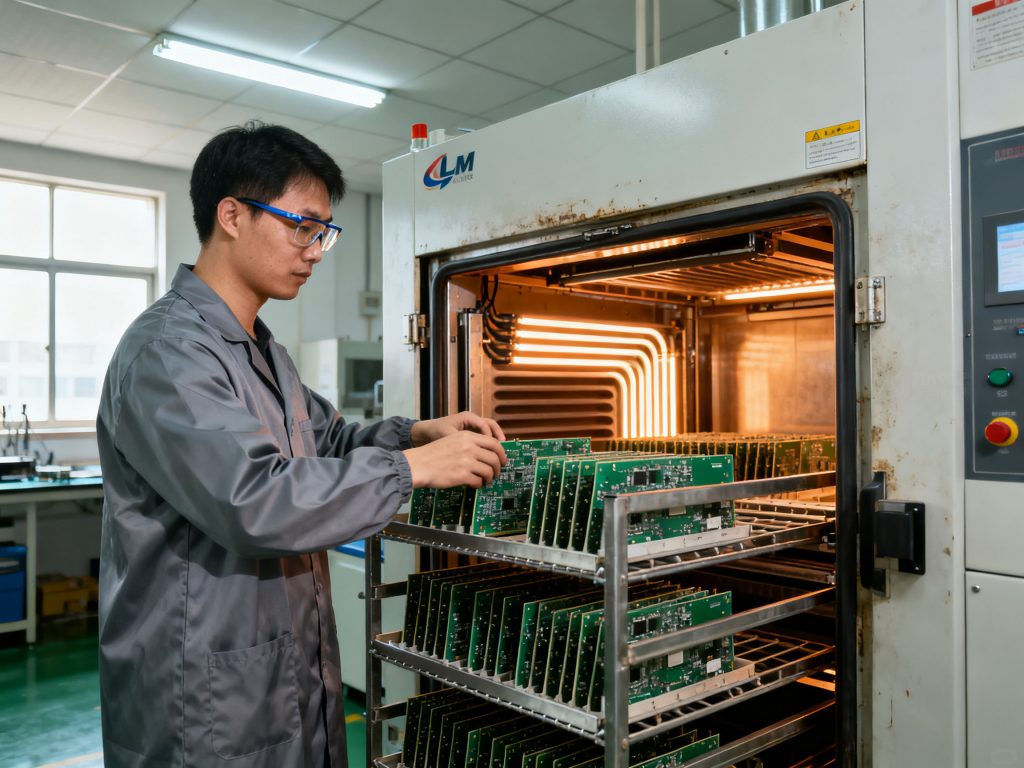
What Is a Curing Oven? Types, Applications, and Benefits for Industrial Manufacturing

Industrial curing ovens do far more than heat—they trigger chemical reactions that permanently transform coatings, adhesives, and composites into hardened, durable finishes. If your manufacturing operation depends on getting that cure right, one failed batch can mean thousands in scrap and rework. This guide walks through the different oven types, applications, and how to match equipment to your actual process requirements.

product information

The Best Solder Paste for PCB, SMD, and Electronics in 2026: Expert Recommendations and Buying Guide

Choosing the wrong solder paste for your electronics work is one of those mistakes that costs you time, money, and a few grey hairs—roughly 60% to 90% of all SMT assembly defects trace back to solder paste problems. This comprehensive guide covers everything you need to know: paste composition, powder sizes, flux chemistries, lead-free versus leaded trade-offs, and eight top product recommendations for 2026.

product information

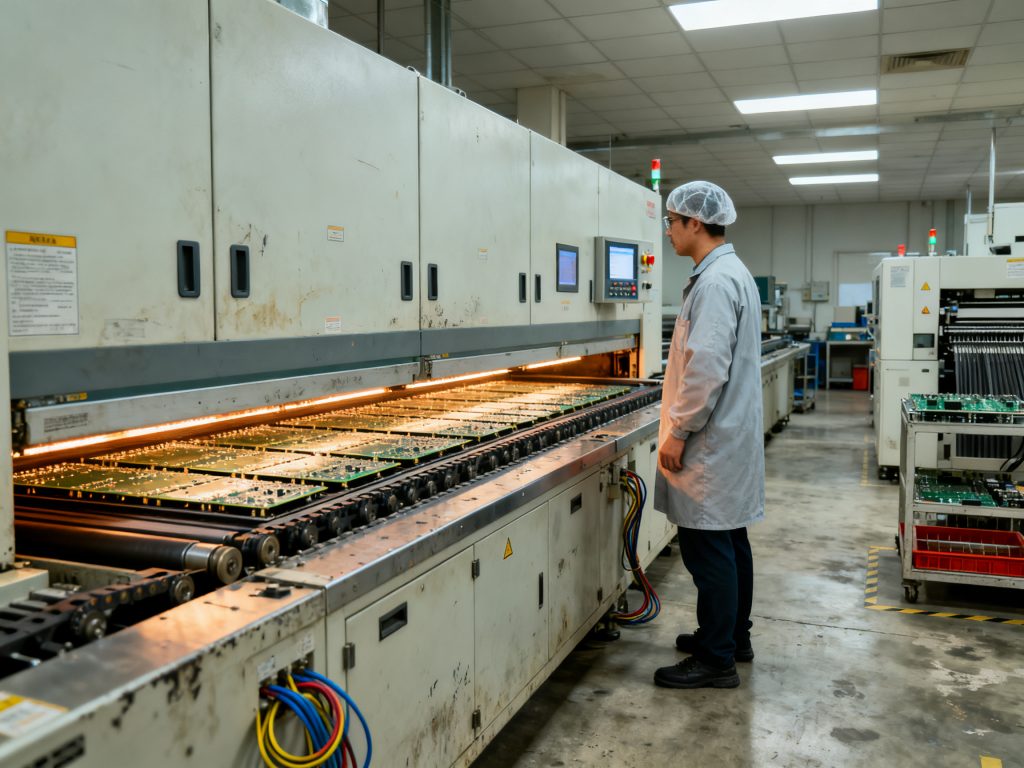
Top SMT Reflow Ovens and Machines for PCB Assembly: 2026 Edition

The best reflow oven isn’t about price or features—it’s about matching equipment to your actual production needs. From compact benchtop units for prototyping to full-size inline systems pushing thousands of boards per shift, this guide breaks down seven equipment categories with thermal specs, operating costs, and real-world tradeoffs every EMS buyer needs to know.

Scroll to Top

Product Inquiry

Request a Quote